Section
Computing
Chips, cryostats, qubits and error correction.
40 articles · page 1 of 2
- 001

Cloud Benchmark Finds Quantum Chips Keep Only a Fraction of Their Qubits Entangled
A Spanish-led consortium found the best superconducting chips among nine cloud quantum processors held only 27 and 24 qubits entangled, a small share of their registers. A separate preprint proves new families of maximally entangled states tied to prime-power dimensions.
8/8 facts confirmed - 002
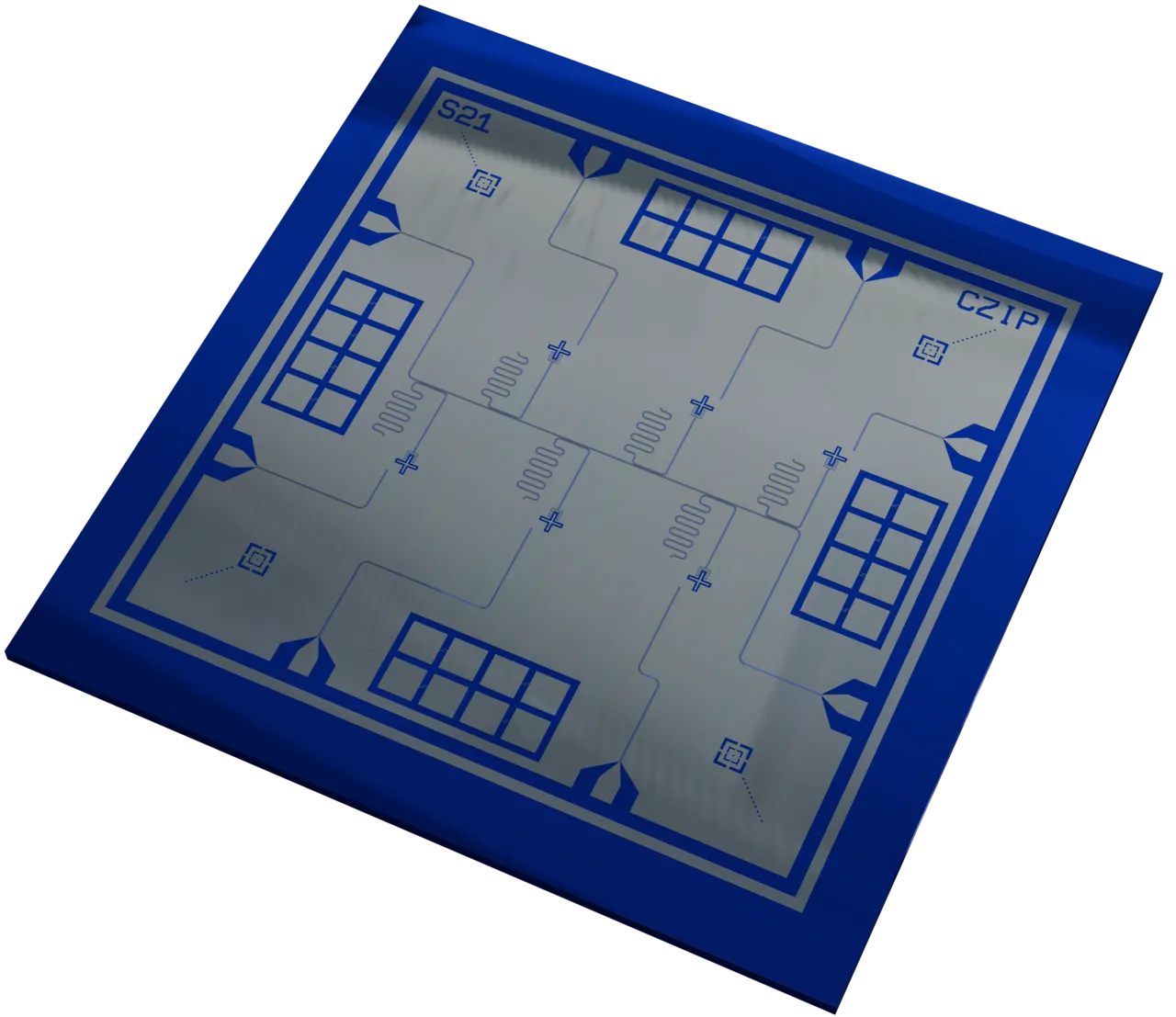
A Neon Film Cuts Superconducting-Qubit Energy Loss, While a Separate Method Senses Hidden Qubit Noise
A preprint reports that a solid neon film cuts energy loss in superconducting qubits, while a separate Weizmann Institute preprint describes a method for detecting hidden qubit noise without disturbing the qubit.
5/5 facts confirmed - 003
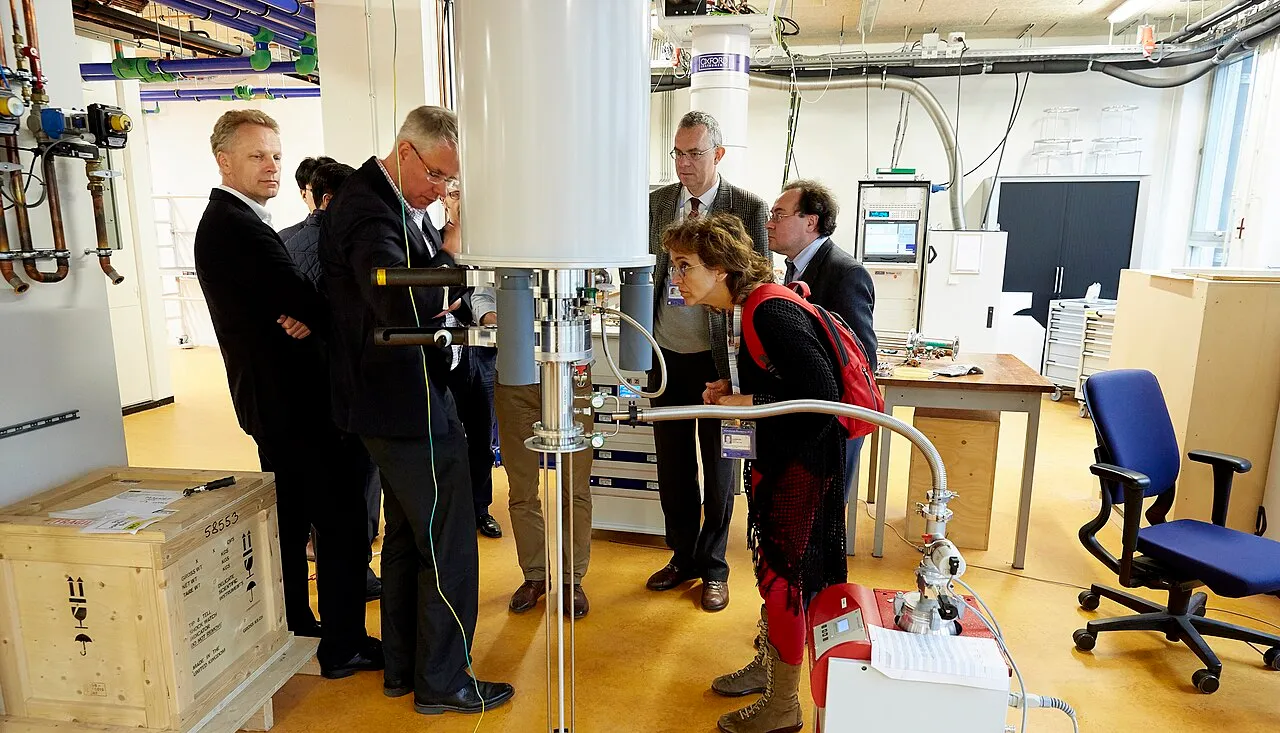
What Does QuTech in Delft Do, and What Has It Achieved?
QuTech is a Delft research institute working on a quantum computer and a quantum internet. Founded in 2015, it has built a three-node entangled quantum network and a seven-qubit logical qubit with error correction.
7/7 facts confirmed - 004
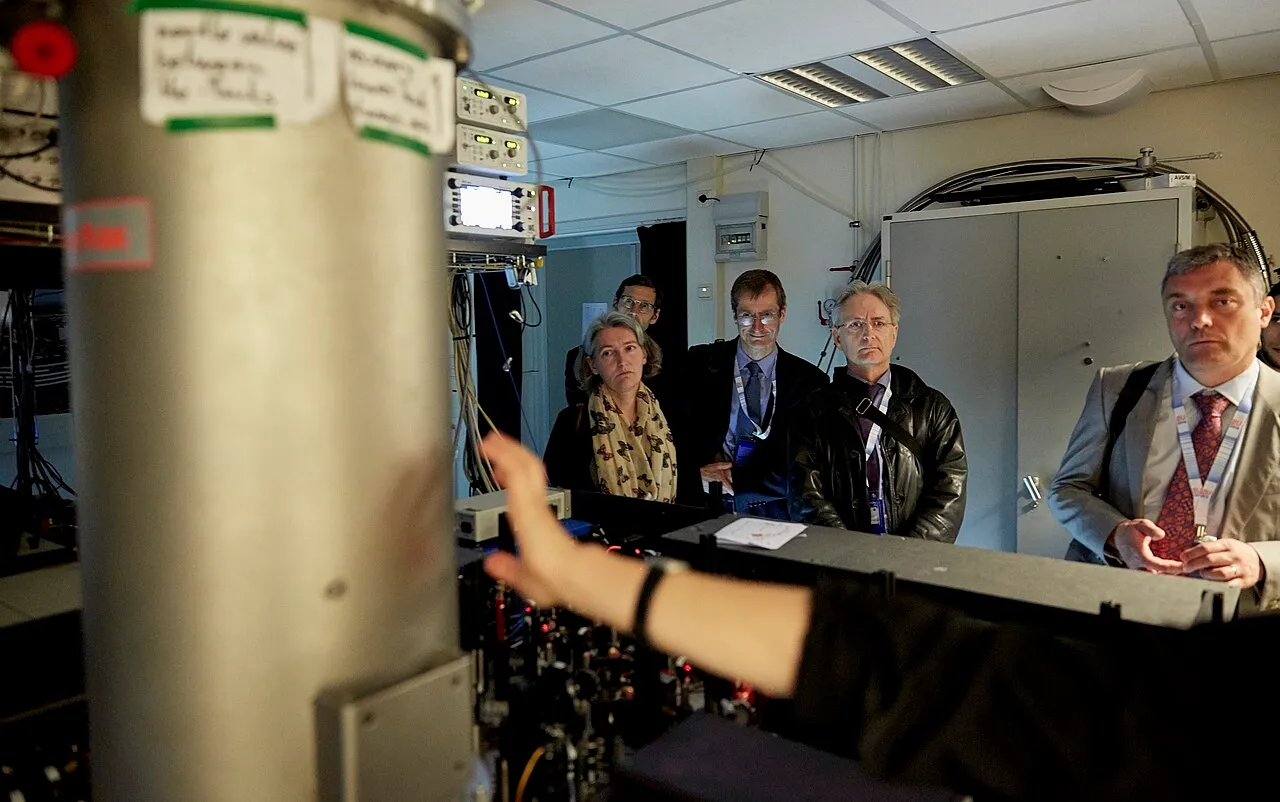
QuTech Links Quantum Inspire to DelftBlue Supercomputer for a Power Grid Test
TU Delft researcher Zeynab Kaseb ran the first workflow connecting Quantum Inspire to the DelftBlue supercomputer, testing a two-bus power grid optimisation on the Tuna-17 processor. The six-qubit version found the optimal answer in fewer runs but landed closer to the true result.
6/6 facts confirmed - 005
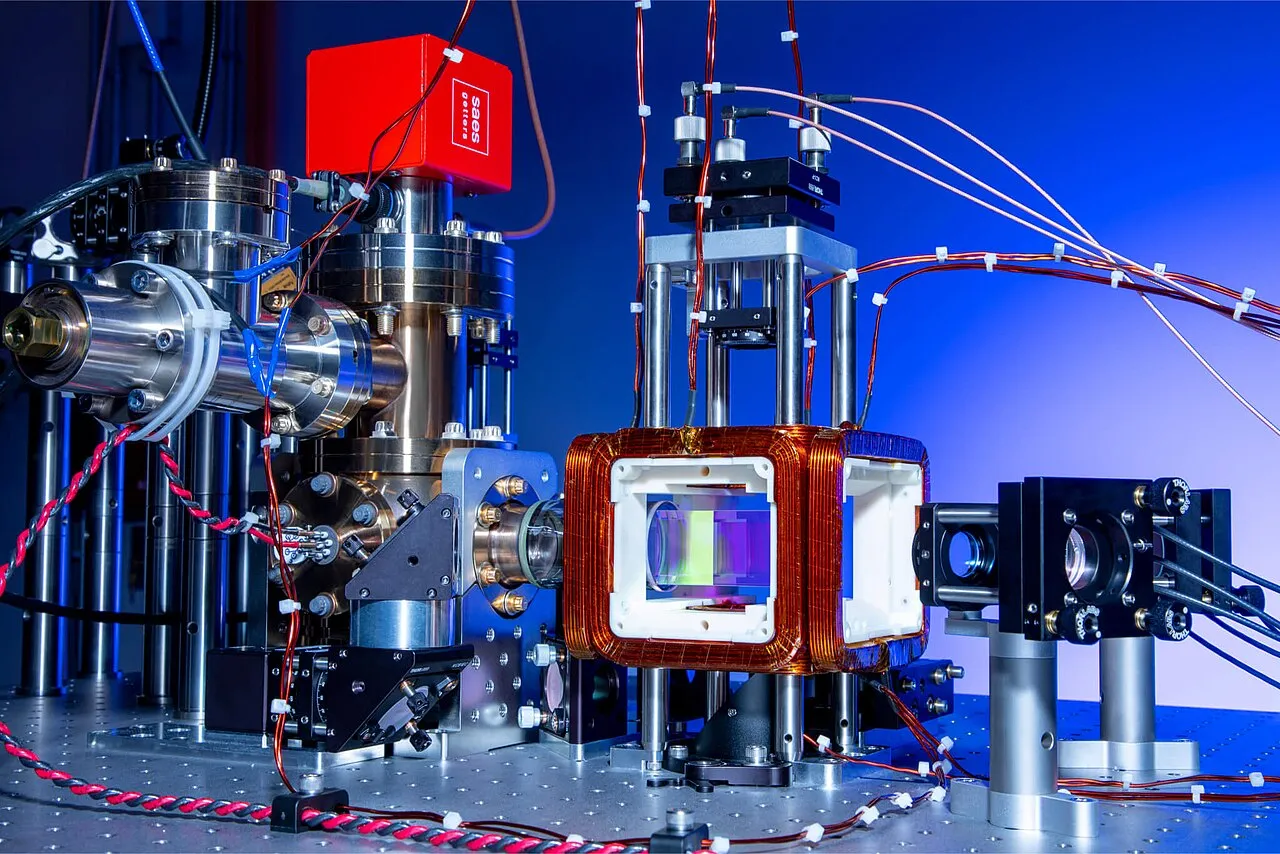
Atom Computing's $100 Million Commerce Deal Carries a Possible $300 Million DARPA Follow-On
Atom Computing has finalised a $100 million Commerce Department R&D deal and could draw $300 million more through a DARPA programme; Qunova says it matched a chemistry benchmark at 80 qubits for a fraction of its earlier cost.
3/5 facts confirmed - 006
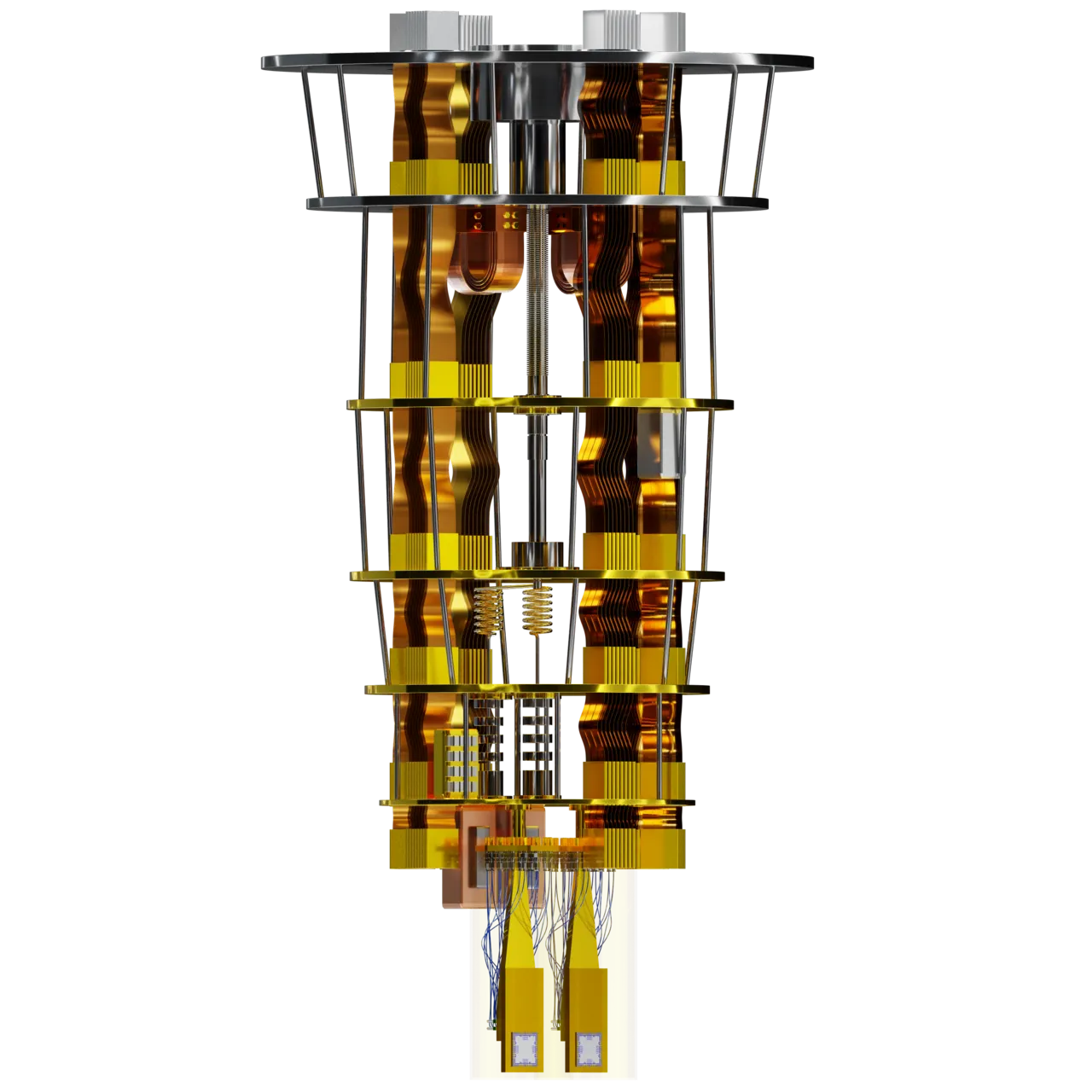
What Do Quantum Computers And AI Have To Do With Each Other, And What Is Hype?
Quantum computing and AI overlap in three ways, says Wikipedia's quantum machine learning overview, and researchers it quotes call much of the field a hype-condensate; Google DeepMind, NVIDIA and Quantinuum point to narrower uses already working.
6/6 facts confirmed - 007
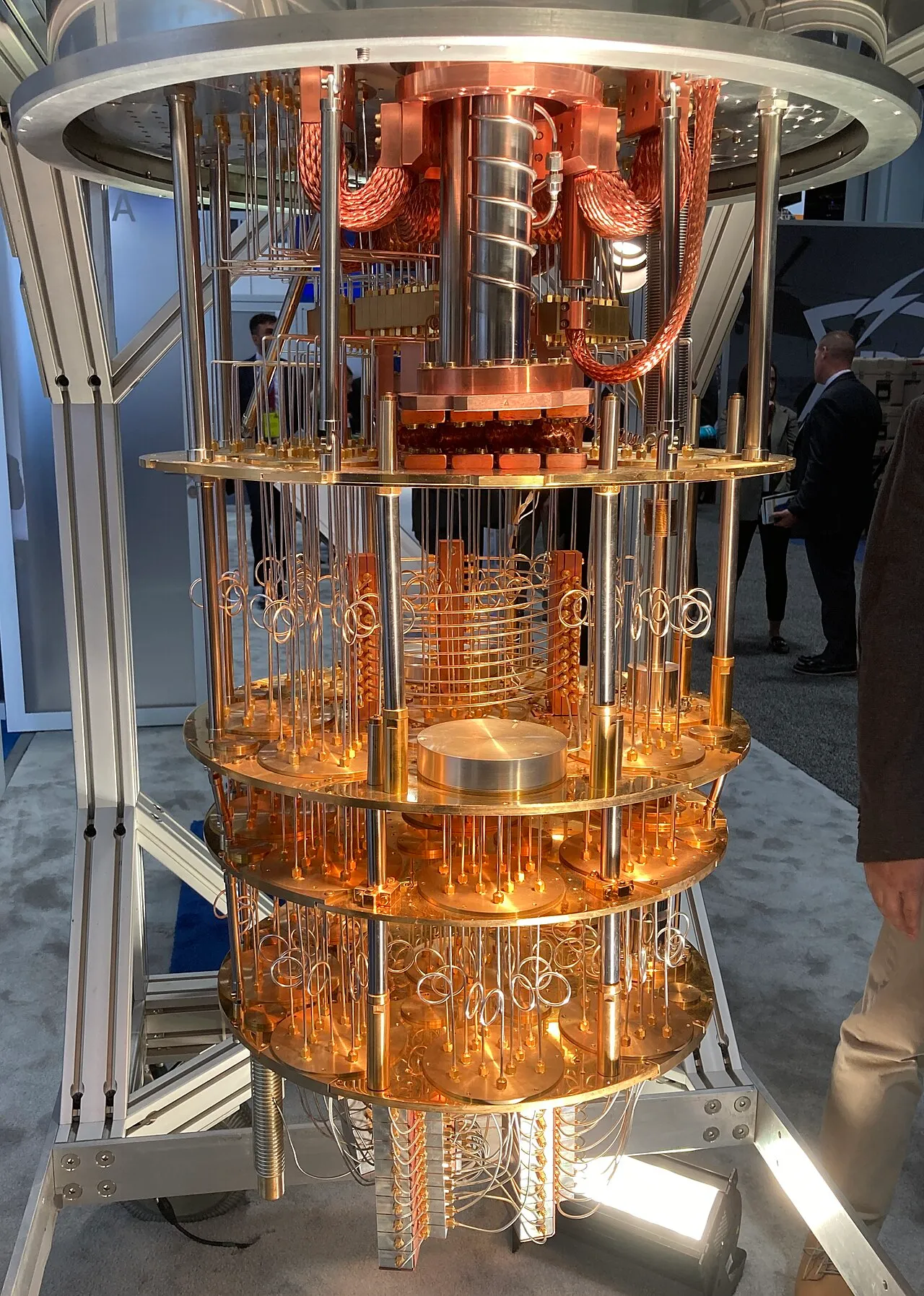
DLR Tests a Cheaper Error-Mitigation Protocol on a 100-Qubit IBM Processor
The German Aerospace Center built an error-mitigation protocol called bnZNE and ran it on IBM's 156-qubit ibm_fez processor, using 100 qubits. DLR reports up to 15% better fidelity than standard error mitigation, though gains vary by benchmark.
4/4 facts confirmed - 008

Rigetti Folds Quantum Elements' Simulator Into Its Error-Correction Pipeline
Rigetti has added Quantum Elements' Constellation simulation platform to its error-correction workflow, after checking its predictions against results from the company's 36-qubit and 108-qubit processors.
6/6 facts confirmed - 009
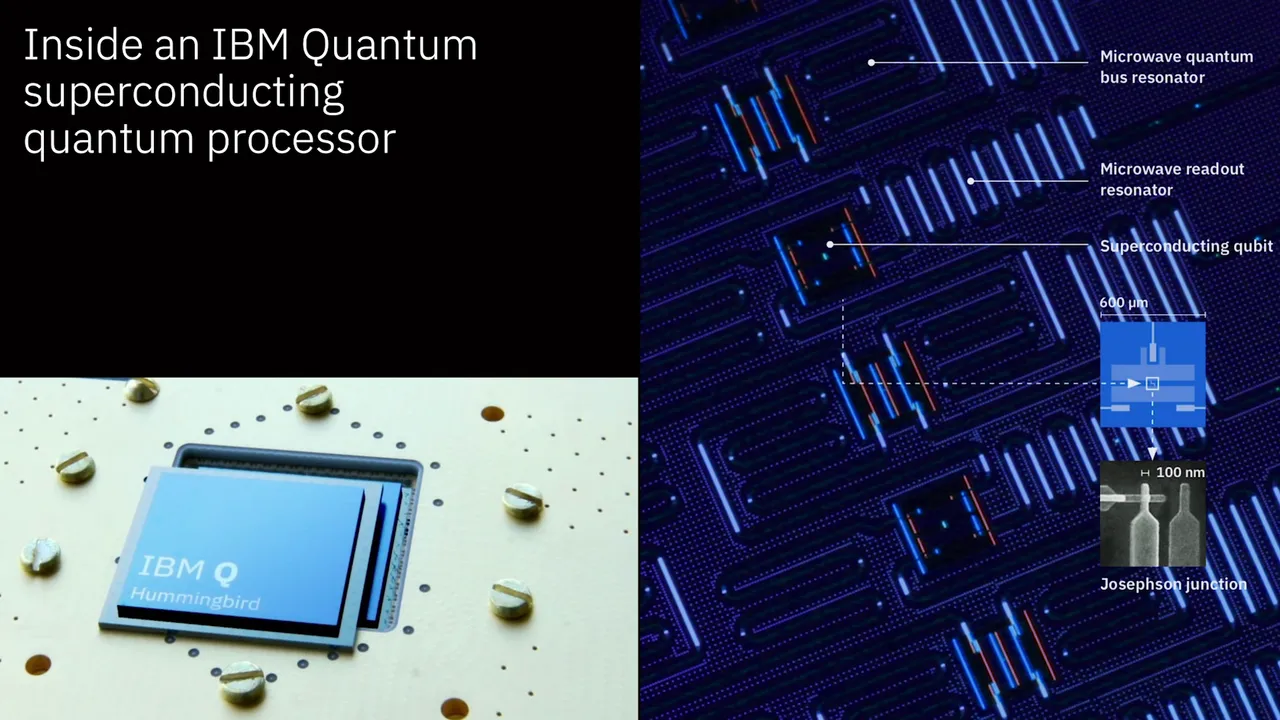
What Can A Quantum Computer Do For Chemistry, Materials And Drug Research?
Simulating a molecule's electrons is often too hard for classical computers, says Google, which wants quantum computers to do that directly; Google, IBM, Pasqal and Quantinuum have used quantum hardware to model molecules, a far larger protein, and a drug compound.
6/6 facts confirmed - 010
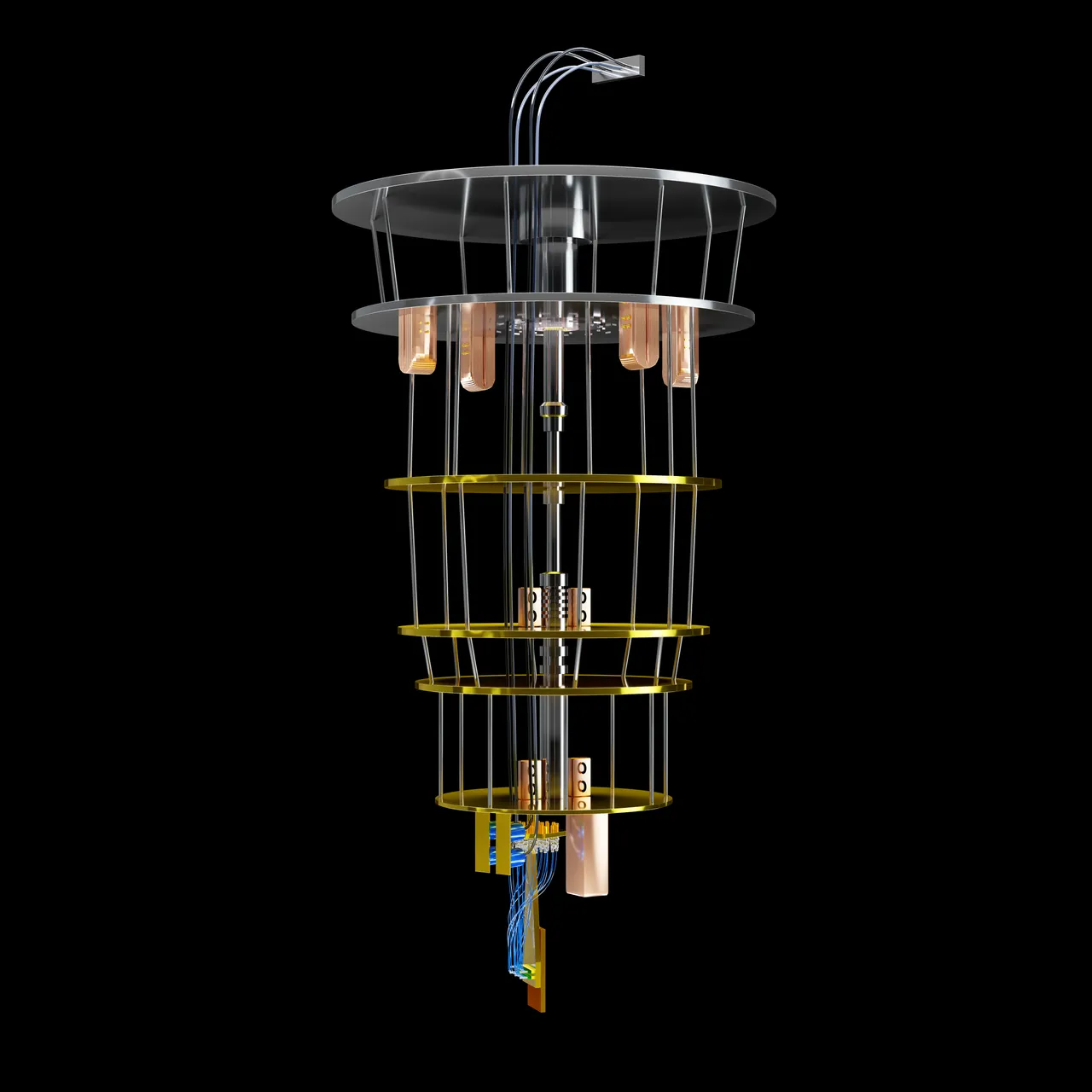
Why Do Quantum Computers Need To Be Cooled To Near Absolute Zero, And Which Ones Don't?
Superconducting qubits, used by IBM and others, only work once cooled to about a hundred times colder than one degree above absolute zero, IBM says. Trapped-ion hardware from IonQ and neutral-atom hardware from QuEra skip that cryogenic plant and run at room temperature instead.
8/8 facts confirmed - 011

Warsaw Team's Rydberg Sensor Captures 3.3 Times More Microwave Information
University of Warsaw physicists built a Rydberg-atom microwave sensor that captures about 3.3 times more Fisher information than a non-interacting design, published in Nature Communications. Separately, Q-CTRL's simulator ran a many-body simulation 12 times faster on IBM's Nighthawk processor.
5/5 facts confirmed - 012

Pasqal Formalises AtomIQ-Lab, a Joint Lab With CNRS on Neutral-Atom Qubits
Pasqal has formalised AtomIQ-Lab, a joint laboratory with CNRS and the Institut d'Optique Graduate School in France, targeting two physics problems it says stand between today's neutral-atom processors and larger, error-corrected machines.
4/4 facts confirmed - 013
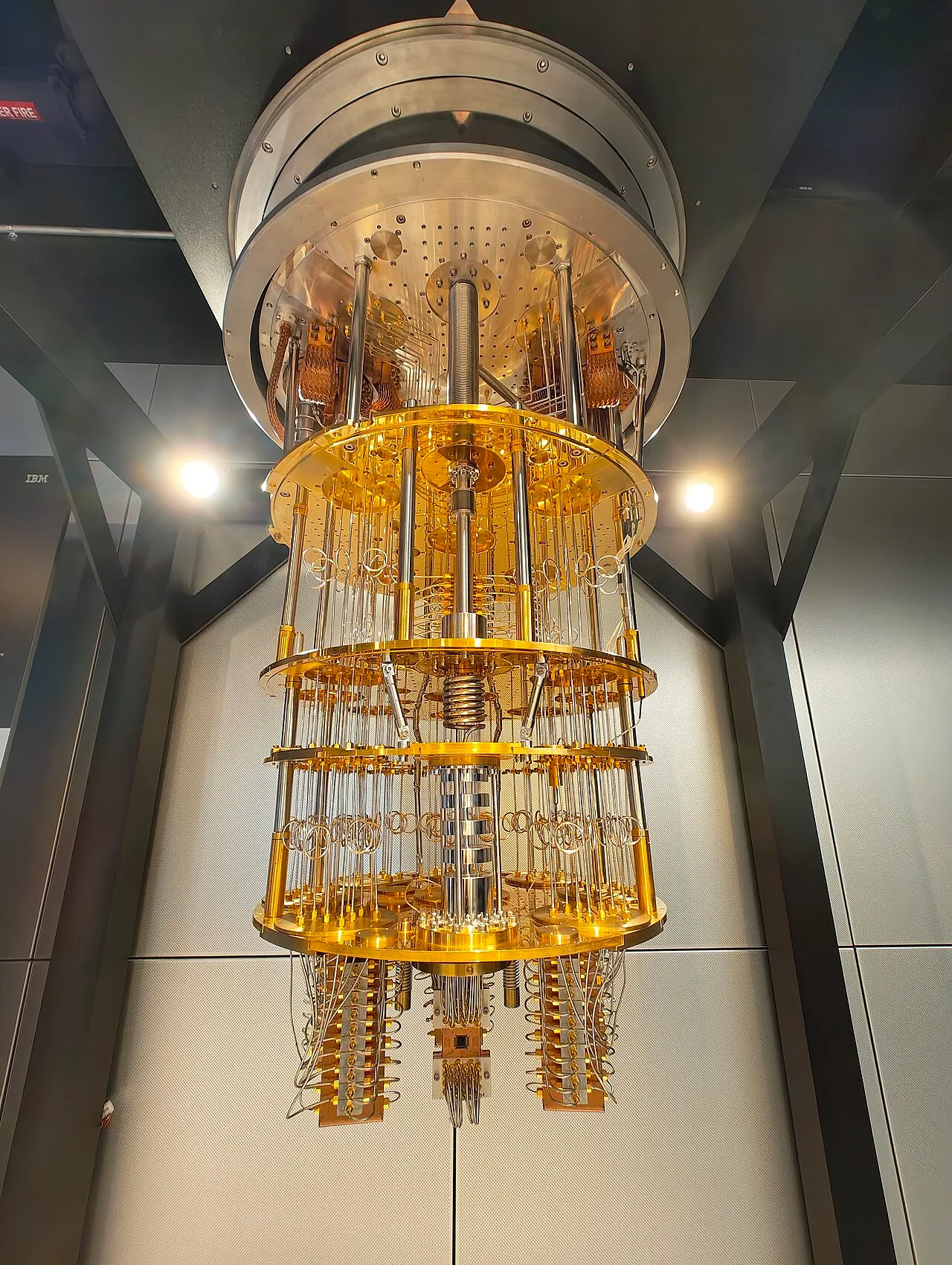
IBM Unveils 520-Qubit Nighthawk r3 Chip, Charts Two-Chip Route to 1,040 Qubits
IBM has launched Nighthawk r3, a 520-qubit processor it says can run circuits of up to 10,000 accurate two-qubit operations, and set out a plan to link two such chips into a system of more than 1,040 qubits in 2027.
6/6 facts confirmed - 014
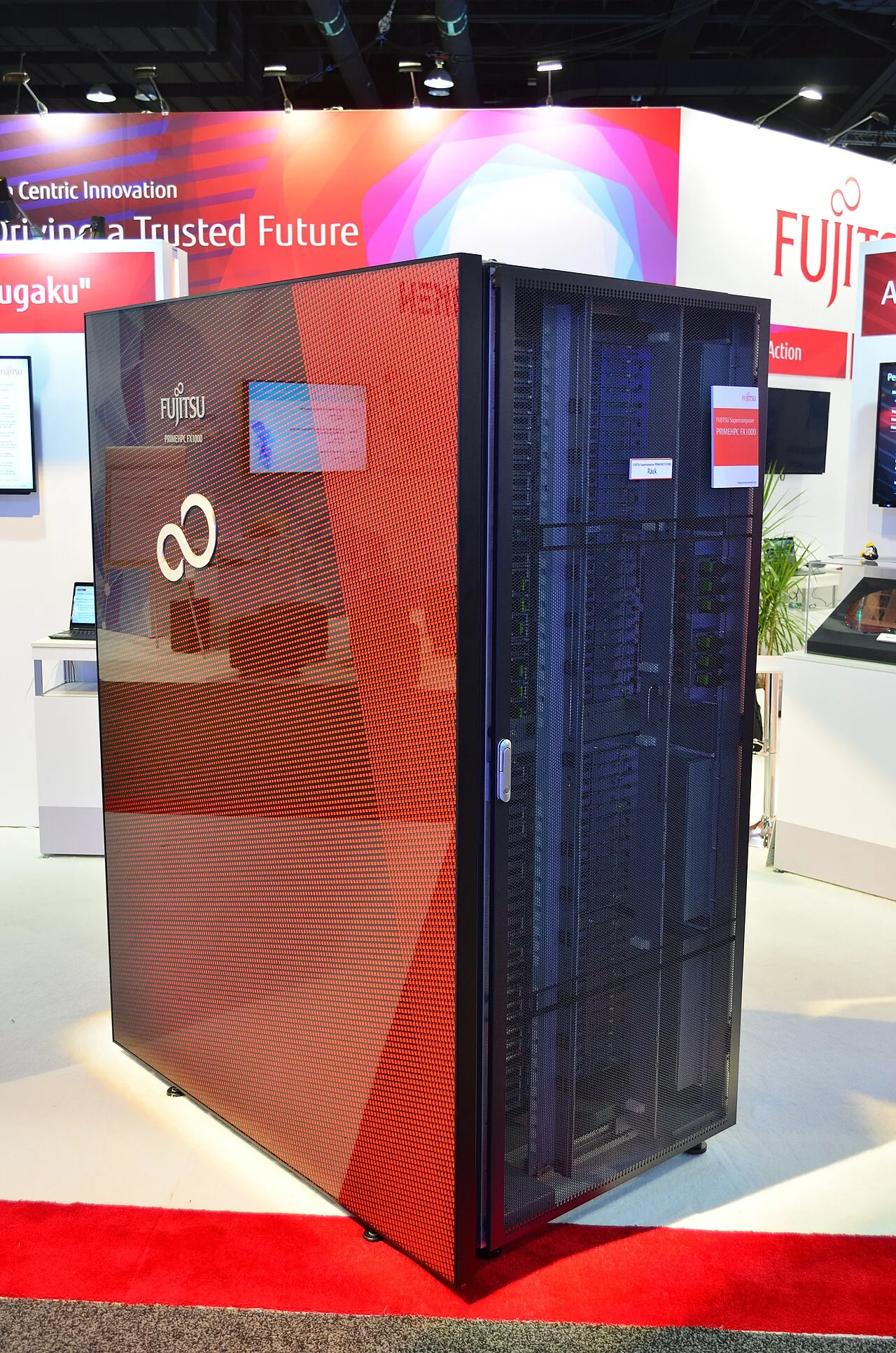
Qunova Says Its Hybrid Algorithm Matched a Classical Benchmark on an Iron-Sulfur Cluster
South Korea's Qunova Computing says its HI-VQE algorithm reached chemical accuracy on a notoriously hard iron-sulfur molecule using 80 qubits, a result the company says beats its own 72-qubit run from September at a fraction of the computing cost.
7/7 facts confirmed - 015
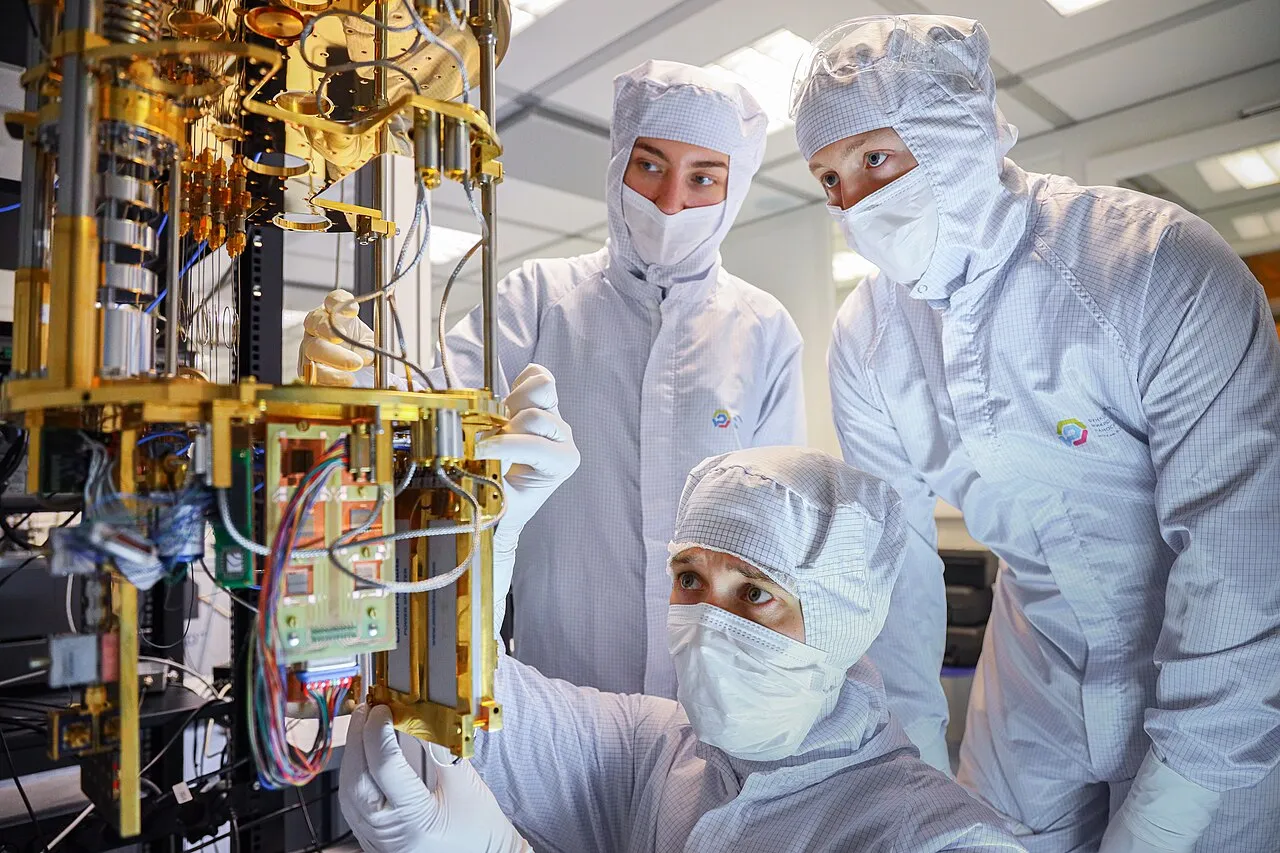
Which Quantum Advantage Claims Have Been Made, And Which Held Up?
Google, USTC and D-Wave have each said their quantum hardware beat the best classical computers. Classical teams answered most of those claims within years, sometimes months. Google's October 2025 Quantum Echoes result is the first built to be checked independently rather than only raced against.
11/11 facts confirmed - 016
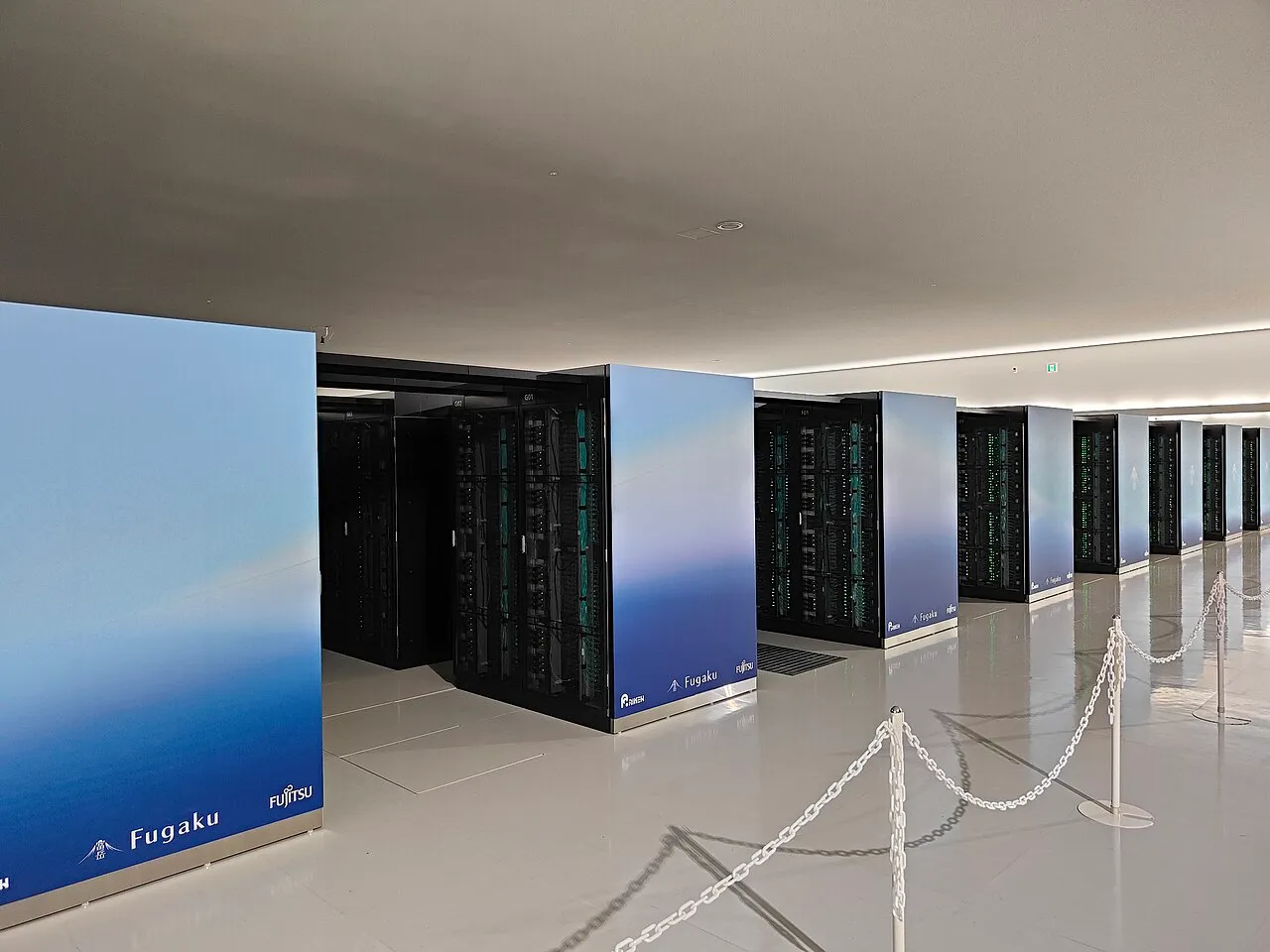
Quantinuum and RIKEN Run Two Quantum Processors Against Fugaku at Once
Quantinuum, the University of Tsukuba and RIKEN linked Japan's Fugaku supercomputer to two quantum processors at the same time, an on-site superconducting chip and a trapped-ion system 500 km away, and used the combination to cut a benchmark's energy error from 2.47 to 0.61.
6/6 facts confirmed - 017

QuiX Quantum Leads Dutch Mission to Build a 100-Qubit Photonic Quantum Computer
QuiX Quantum and seven Dutch partners have started a three-year, PhotonDelta-funded mission to build the manufacturing and control technology for a universal photonic quantum computer with more than 100 qubits.
5/5 facts confirmed - 018
Horizon Quantum Links Triple Alpha IDE to OQC's 32-Qubit Toshiko Processor for Pulse-Level Control
Horizon Quantum and Oxford Quantum Circuits have connected Horizon's Triple Alpha development environment directly to the control plane of OQC's 32-qubit Toshiko processor, giving users pulse-level access to qubit parameters such as T1 and T2 from inside the IDE.
3/4 facts confirmed - 019
What Is PsiQuantum Building, Where, and When Will It Be Ready?
PsiQuantum is building two utility-scale photonic quantum computers, one near Brisbane and one in Chicago, with construction under way at both sites and CEO Jeremy O'Brien targeting an error-corrected machine by 2029.
7/9 facts confirmed - 020

What Is Microsoft's Majorana Qubit, and What Has It Shown?
Microsoft's Majorana qubit tries to store quantum information in the shape of exotic quasiparticles rather than a single particle's state. The company has unveiled two chips, but its own Nature paper stops short of confirming the particles are there.
8/8 facts confirmed