QuTech Links Quantum Inspire to DelftBlue Supercomputer for a Power Grid Test
TU Delft researcher Zeynab Kaseb ran the first workflow connecting Quantum Inspire to the DelftBlue supercomputer, testing a two-bus power grid optimisation on the Tuna-17 processor. The six-qubit version found the optimal answer in fewer runs but landed closer to the true result.
- Published
- Updated
- 2 min read
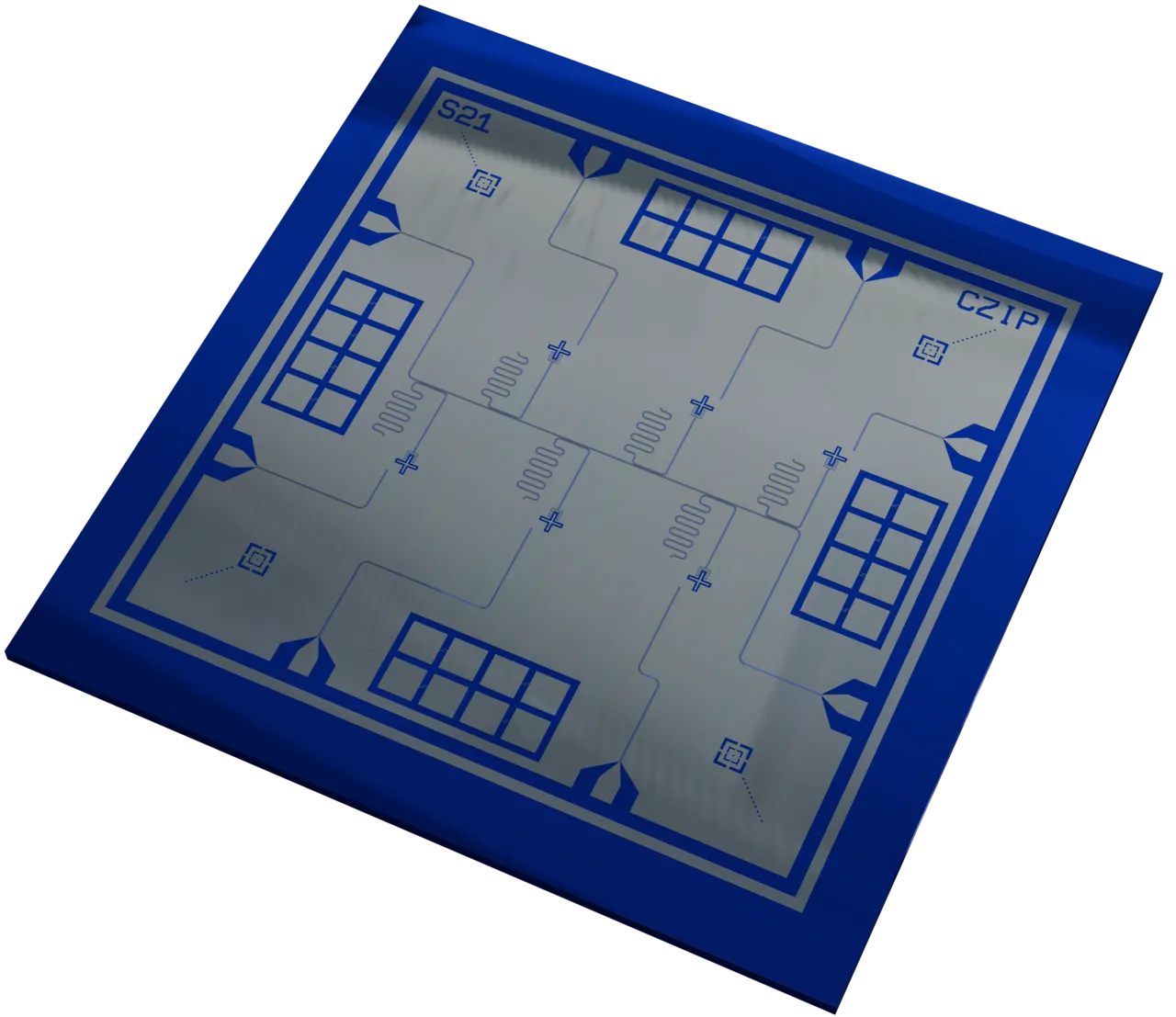
QuTech has connected its Quantum Inspire cloud platform directly to DelftBlue, TU Delft’s classical supercomputer, according to QuTech. TU Delft researcher Zeynab Kaseb became the first person to run the combined workflow. The setup lets a user prepare and optimise calculations on DelftBlue. It then sends the resulting quantum circuits through Quantum Inspire to run on QuTech’s Tuna-17 processor, with results sent back for analysis. Kaseb works at TU Delft’s Faculty of Electrical Engineering, Mathematics and Computer Science, according to QuTech.
She used the new link to tackle a power grid problem, according to QuTech. It was power-flow calculations for a two-bus electrical network, run with the Quantum Approximate Optimization Algorithm, or QAOA. Kaseb tested two circuit encodings of that problem on Tuna-17, each measured 1,024 times. The first used four qubits and 30 circuit layers. The second used six qubits and 165 layers.
The two encodings landed on different trade-offs. The four-qubit run found the optimal solution in 215 of the 1,024 measurements, about 21 percent of the time, according to QuTech. The six-qubit run found it far less often, according to QuTech: just 16 of 1,024 measurements, about 1.56 percent. But the six-qubit version still came closer to the true answer when it missed the exact optimum. Its best candidate solution had a residual of 0.003262, against 0.01053 for the four-qubit version. More qubits and circuit layers meant a lower hit rate, but a tighter near-miss.
Martin van Gijzen, scientific director of the Delft High Performance Computing Centre, said the test points to more such work ahead, according to QuTech. “We expect much of the integration of classical HPC computers and quantum computers,” he said. Kaseb’s test, he added, paves the way for more results combining the two kinds of machines.
A two-bus network is a toy version of the power-flow problem grid operators actually face, and QuTech’s processor leaves little room to scale the encoding up much further. DelftBlue and Quantum Inspire now talk to each other directly: a user can move a problem from classical preprocessing to a quantum processor and back, inside one workflow. Whether that pipeline can carry a power-flow problem large enough for an actual grid operator is the next test ahead for Van Gijzen’s centre and Kaseb’s group.
Sources
MethodologyHow this article was made
- Facts confirmed
- 6 / 6
- Sources
- 2
- Last checked
- Nov 15, 2026
- Image
- Photo
This article was written by an AI system from facts in international trade media, publications by companies and research institutes and public sources, with the source for every fact, and checked under our methodology. The byline is an editorial pseudonym. Found an error? Report it through the contact page.
Facts used
- TU Delft researcher Zeynab Kaseb became the first user to run the integrated workflow linking Quantum Inspire, QuTech's cloud quantum-access platform, to DelftBlue, TU Delft's classical supercomputer. The workflow lets a user prepare and optimize calculations on DelftBlue, then send quantum circuits through Quantum Inspire to run on QuTech's 17-qubit Tuna-17 processor, with results returned for analysis. QuTech (TU Delft en TNO) · Nov 15, 2026
- Kaseb used the workflow to run power-flow calculations for a two-bus electrical network with the Quantum Approximate Optimization Algorithm (QAOA), testing two circuit encodings, a four-qubit version with 30 circuit layers and a six-qubit version with 165 circuit layers, each measured 1,024 times on the Tuna-17 processor. QuTech (TU Delft en TNO) · Nov 15, 2026
- In the four-qubit QAOA run, the optimal solution to the power-flow problem appeared in 215 of the 1,024 measurements, about 21 percent. QuTech (TU Delft en TNO) · Nov 15, 2026
- In the six-qubit QAOA run, the optimal solution appeared in just 16 of the 1,024 measurements, about 1.56 percent, a rarer hit than the four-qubit run, but the six-qubit encoding reached a lower residual, 0.003262 against 0.01053 for the four-qubit version, meaning its best candidate solution came closer to the true answer. QuTech (TU Delft en TNO) · Nov 15, 2026
- Martin van Gijzen, scientific director of the Delft High Performance Computing Centre, said "we expect much of the integration of classical HPC computers and quantum computers," and said Kaseb's test paves the way for more results combining the two kinds of machines. QuTech (TU Delft en TNO) · Nov 15, 2026
- Zeynab Kaseb works at TU Delft's Faculty of Electrical Engineering, Mathematics and Computer Science and is the researcher who first used the new DelftBlue-Quantum Inspire integration for her power-flow calculation work. QuTech (TU Delft en TNO) · Nov 15, 2026