Pasqal Formalises AtomIQ-Lab, a Joint Lab With CNRS on Neutral-Atom Qubits
Pasqal has formalised AtomIQ-Lab, a joint laboratory with CNRS and the Institut d'Optique Graduate School in France, targeting two physics problems it says stand between today's neutral-atom processors and larger, error-corrected machines.
- Published
- Updated
- 1 min read
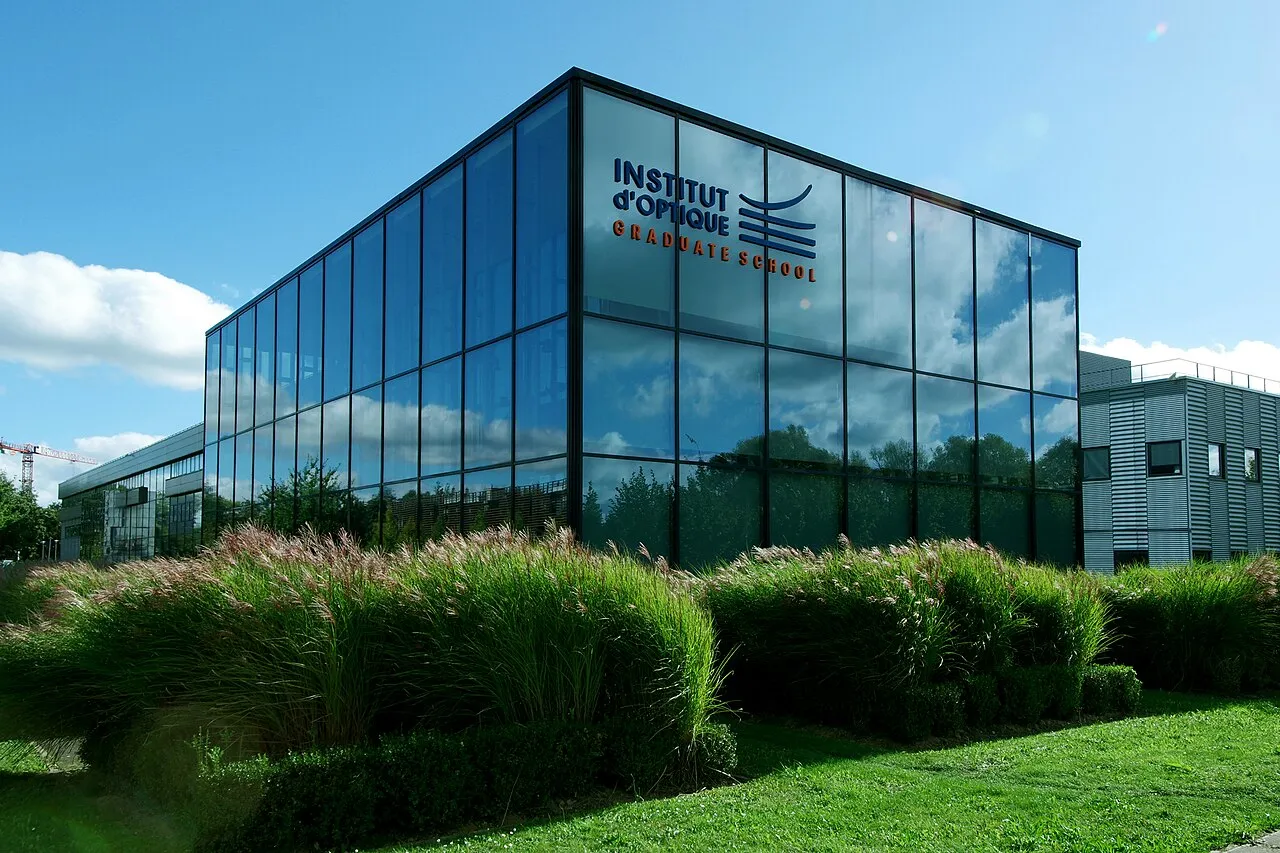
Pasqal has formalised AtomIQ-Lab, a joint laboratory with CNRS and the Institut d’Optique Graduate School, according to Pasqal. The lab was inaugurated in November 2025. It targets physics challenges in scaling neutral-atom qubits and is meant to speed up moving research results into working technology.
AtomIQ-Lab’s stated priorities are two physics problems, according to Pasqal. One is lossless measurement of atomic states, needed for fault-tolerant operation. The other is continuous reloading of atom registers during operation. Pasqal says both stand between today’s neutral-atom processors and larger, error-corrected machines.
Its neutral-atom technology grew out of experiments at Laboratoire Charles Fabry, a joint CNRS, Institut d’Optique and Université Paris-Saclay research unit, according to Pasqal. Co-founders Antoine Browaeys and Thierry Lahaye worked there before starting Pasqal in 2019. The pair now serve as scientific advisors to the company. The two sides have run six joint CIFRE PhD theses since then, four of them still ongoing.
Pasqal set up a dedicated research chair at the Institut d’Optique in October 2025 for a physicist working on topics the lab shares with the company. That followed an earlier Institut d’Optique-Pasqal workshop in 2025 that brought together 50 to 60 researchers from both sides to identify the priority areas AtomIQ-Lab now works on.
No independent outlet has yet reported on AtomIQ-Lab’s staffing, funding or site details beyond the research chair and the CIFRE theses.
Sources
MethodologyHow this article was made
- Facts confirmed
- 4 / 4
- Sources
- 2
- Last checked
- Nov 13, 2026
- Image
- Photo
This article was written by an AI system from facts in international trade media, publications by companies and research institutes and public sources, with the source for every fact, and checked under our methodology. The byline is an editorial pseudonym. Found an error? Report it through the contact page.
Facts used
- Neutral-atom quantum computing company Pasqal has formalised AtomIQ-Lab, a joint laboratory with CNRS and the Institut d'Optique Graduate School, inaugurated in November 2025. The lab targets physics challenges in scaling neutral-atom qubits and is meant to speed up moving research results into working technology. Pasqal · Nov 13, 2026
- AtomIQ-Lab's stated priorities are lossless measurement of atomic states, needed for fault-tolerant operation, and continuous reloading of atom registers during operation, two physics problems Pasqal says stand between today's neutral-atom processors and larger, error-corrected machines. Pasqal · Nov 13, 2026
- Pasqal's neutral-atom technology grew out of experiments at Laboratoire Charles Fabry, a joint CNRS, Institut d'Optique and Université Paris-Saclay research unit, where co-founders Antoine Browaeys and Thierry Lahaye worked before starting Pasqal in 2019; the pair now serve as scientific advisors, and the two sides have run six joint CIFRE PhD theses, four of them still ongoing. Pasqal · Nov 13, 2026
- Pasqal set up a dedicated research chair at the Institut d'Optique in October 2025 for a physicist working on topics the lab shares with Pasqal, and an earlier Institut d'Optique-Pasqal workshop in 2025 brought together 50 to 60 researchers from both sides to identify the priority areas AtomIQ-Lab now works on. Pasqal · Nov 13, 2026