Section
Sensing
Clocks, magnetometers and gravity sensors that leave the lab.
3 articles · page 1 of 1
- 001
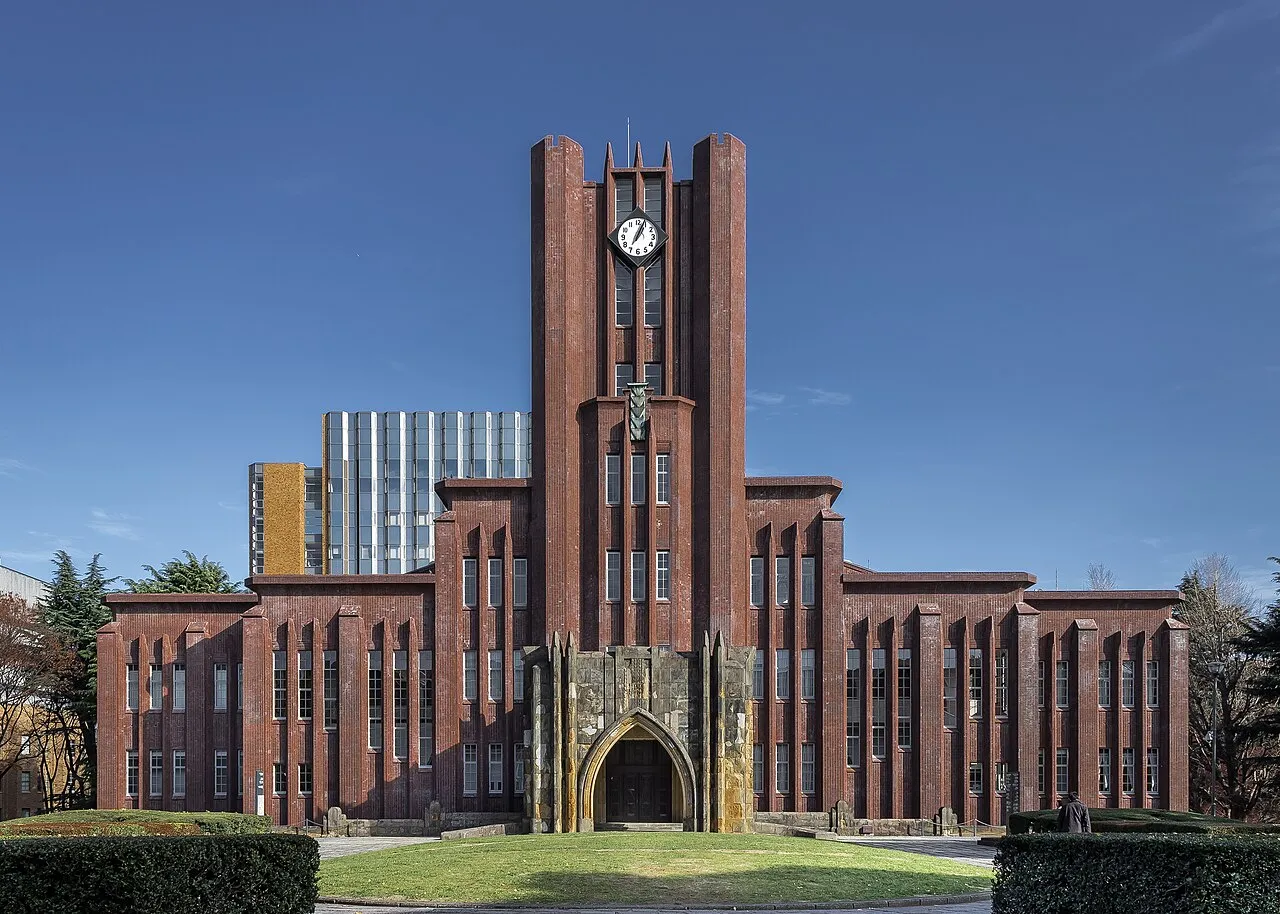
Two Japanese-Led Teams Push Quantum Sensing Into Crystals
A University of Tokyo and Northwestern team built a porous crystal forming spin-polarized radical pairs sensitive to surrounding chemistry. A University of Osaka team tracked a single phonon through a ten-ion crystal, a setup it says could scale toward multi-particle simulation.
7/7 facts confirmed - 002
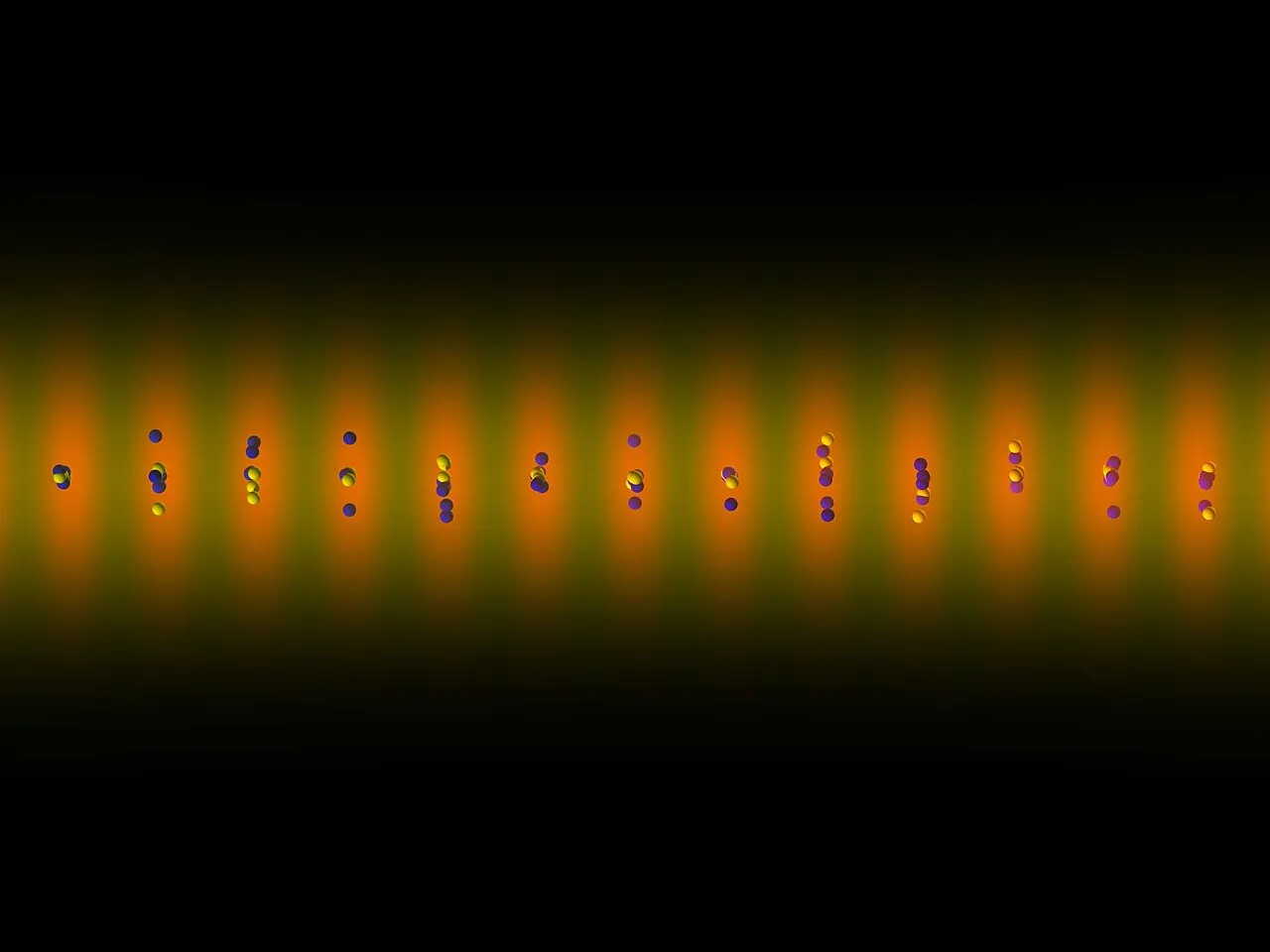
What Are Optical Atomic Clocks, And How Precise Are They?
Optical atomic clocks run on a near-petahertz transition, not caesium's microwave one, reaching top accuracy far faster. NIST's ytterbium clock has hit a stability record of 3.2 parts in 10^19 a day, and the tech spans chip-scale prototypes to a rack-mount clock trialled by the Royal Navy.
6/6 facts confirmed - 003
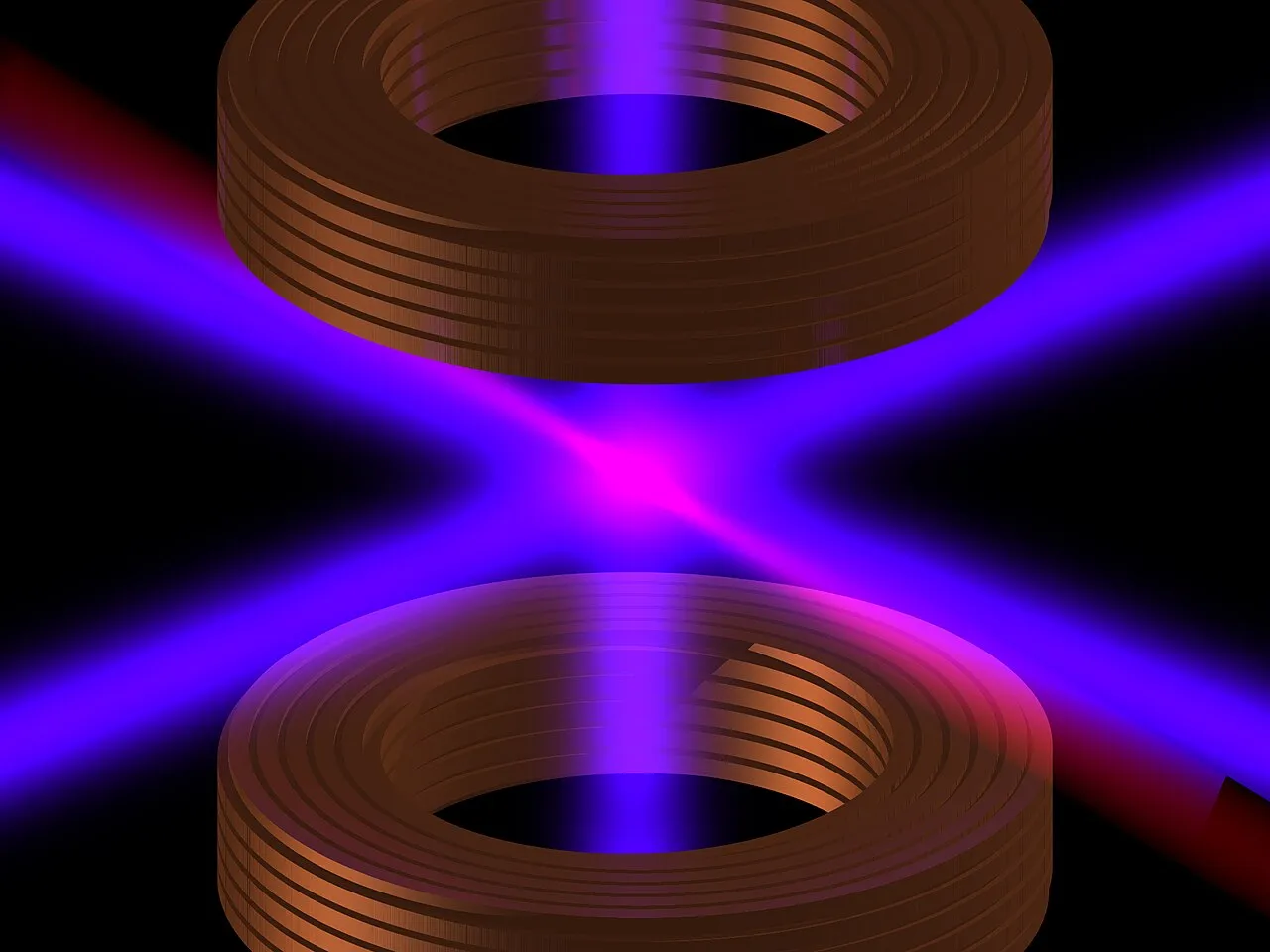
What Are Quantum Sensors, and Where Are They Already Used?
A quantum sensor uses atoms, electron spins or superconducting circuits to measure what classical instruments cannot, NIST says. Quantum magnetometers already scan brains and hearts, and portable atomic clocks already find offshore oil.
11/11 facts confirmed