IBM Unveils 520-Qubit Nighthawk r3 Chip, Charts Two-Chip Route to 1,040 Qubits
IBM has launched Nighthawk r3, a 520-qubit processor it says can run circuits of up to 10,000 accurate two-qubit operations, and set out a plan to link two such chips into a system of more than 1,040 qubits in 2027.
- Published
- Updated
- 2 min read
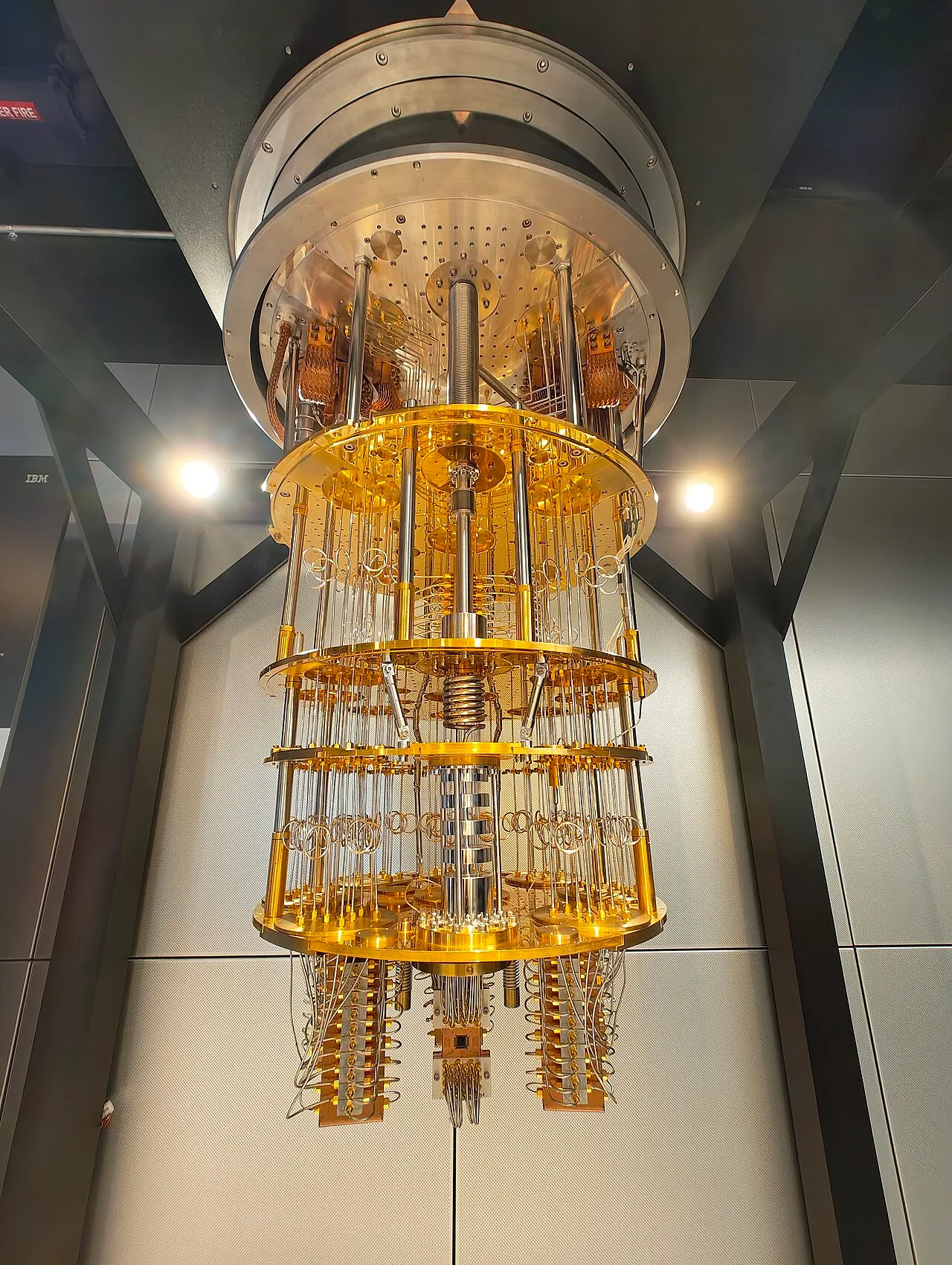
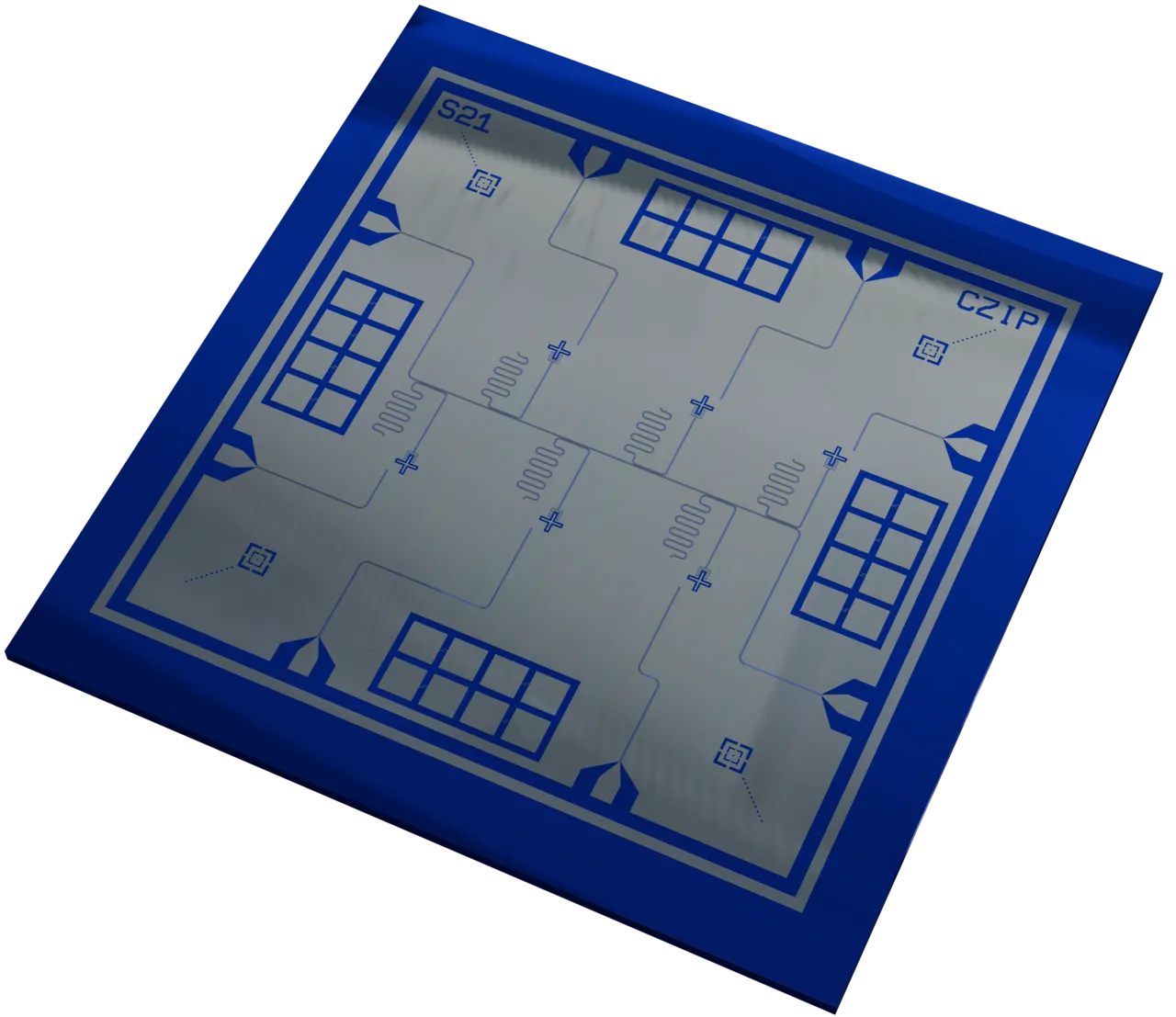
IBM has unveiled Nighthawk r3, a superconducting processor with 520 programmable qubits built from 2,034 physical qubits, according to the company. Programmable qubits are the ones a user’s circuit can address directly. The larger physical count includes qubits used for wiring and control. IBM announced the chip at its Quantum Developer Conference (QDC 2026) in Yorktown Heights, New York. It succeeds the Nighthawk r2 chip IBM introduced in September 2026.
IBM says Nighthawk r3 can run circuits of up to 10,000 accurate two-qubit operations, up from more than 7,500 on Nighthawk r2. A two-qubit operation is a step that entangles or otherwise combines two qubits. More of them running accurately in a row lets a circuit tackle harder problems before noise overwhelms the result.
IBM plans to link two Nighthawk r3 chips into a single system of more than 1,040 qubits in 2027. It says it has already connected Nighthawk r1 processors with four so-called l-couplers, hardware links between chips. Those links reached 99.3 percent quantum-state transfer fidelity, and IBM is working toward a 99.9 percent target for the chip-to-chip links the 1,040-qubit system will need. That linked system is a step toward IBM’s longer-term IBM Quantum Starling machine, targeted for 2029.
IBM says clients and partners, including E.ON, Algorithmiq and Q-CTRL, have run more than 34 billion circuits on Nighthawk r2 since it was deployed. Among the results IBM cites: an E.ON quantum-machine-learning workload on its energy grid ran 15 times faster. A magnetic-materials simulation run with Oak Ridge National Laboratory ran 12 times faster, and an Algorithmiq quantum-advantage experiment ran 8 times faster.
Jay Gambetta, Director of IBM Research and an IBM Fellow, said useful quantum computing depends on delivering results with both accuracy and speed. As IBM scales the Nighthawk architecture to larger machines, he said, it is integrating more closely with classical computing resources on the way to fault tolerance. Fault tolerance is the point at which a quantum computer corrects its own errors faster than they build up.
Alongside the chip, IBM says it has brought high-performance classical and quantum computing together into a single managed environment on the IBM Quantum Platform. That lets users connect quantum workflows directly to classical compute, from laptops to supercomputers. IBM names error correction, error mitigation, noise learning and post-processing as tasks it covers.
The next marker to watch is the 1,040-qubit linked system IBM is targeting for 2027, on its way to the Starling machine planned for 2029.
Sources
- [1]IBM's New 'Nighthawk' Processor Packs 520 Programmable Qubits The Quantum Insider
- [2]IBM Unveils 520-Qubit Nighthawk r3 Processor, 1,040-Qubit Linked Roadmap and Managed Hybrid Workflows at QDC 2026 Quantum Computing Report (GQI)
- [3]IBM Quantum Nighthawk Demonstrates New Levels of Speed and Quality, with Plans to Scale Beyond 1,000 Qubits in 2027 IBM Quantum en IBM Research
MethodologyHow this article was made
- Facts confirmed
- 6 / 6
- Sources
- 3
- Last checked
- Nov 12, 2026
- Image
- Photo
This article was written by an AI system from facts in international trade media, publications by companies and research institutes and public sources, with the source for every fact, and checked under our methodology. The byline is an editorial pseudonym. Found an error? Report it through the contact page.
Facts used
- IBM unveiled its next-generation superconducting processor, Nighthawk r3, at its Quantum Developer Conference (QDC 2026) in Yorktown Heights. The chip carries 520 programmable qubits built from 2,034 physical qubits, succeeding the Nighthawk r2 chip IBM had introduced in September 2026. IBM Newsroom · Nov 12, 2026
- IBM says Nighthawk r3 can run circuits of up to 10,000 accurate two-qubit operations, up from more than 7,500 on the Nighthawk r2 chip it launched in September 2026. IBM Newsroom · Nov 12, 2026
- IBM plans to link two Nighthawk r3 chips into a single system of more than 1,040 qubits in 2027. IBM says it has already connected Nighthawk r1 processors with four l-couplers at 99.3 percent quantum-state transfer fidelity, progressing toward a 99.9 percent target for the chip-to-chip links the 1,040-qubit system will need, on the way toward its longer-term IBM Quantum Starling system targeted for 2029. IBM Newsroom · Nov 12, 2026
- IBM says clients and partners, including E.ON, Algorithmiq and Q-CTRL, have executed more than 34 billion circuits on Nighthawk r2 since its deployment, citing an E.ON quantum-machine-learning energy-grid workload sped up 15 times, an IBM/Oak Ridge National Laboratory magnetic-materials simulation sped up 12 times, and an Algorithmiq quantum-advantage experiment running 8 times faster. IBM Newsroom · Nov 12, 2026
- Jay Gambetta, Director of IBM Research and an IBM Fellow, said of the Nighthawk r3 launch that useful quantum computing hinges on delivering results with both accuracy and speed, and that as IBM scales the Nighthawk architecture to larger, more powerful quantum computers, it is integrating more closely with classical resources on the way to fault tolerance. IBM Newsroom · Nov 12, 2026
- Alongside Nighthawk r3, IBM says it has brought high-performance classical and quantum computing together into a single managed environment on the IBM Quantum Platform, letting users integrate quantum workflows directly with classical compute, from laptops to supercomputers, for tasks like error correction, error mitigation, noise learning and post-processing. IBM Newsroom · Nov 12, 2026