Quantinuum and RIKEN Run Two Quantum Processors Against Fugaku at Once
Quantinuum, the University of Tsukuba and RIKEN linked Japan's Fugaku supercomputer to two quantum processors at the same time, an on-site superconducting chip and a trapped-ion system 500 km away, and used the combination to cut a benchmark's energy error from 2.47 to 0.61.
- Published
- Updated
- 2 min read
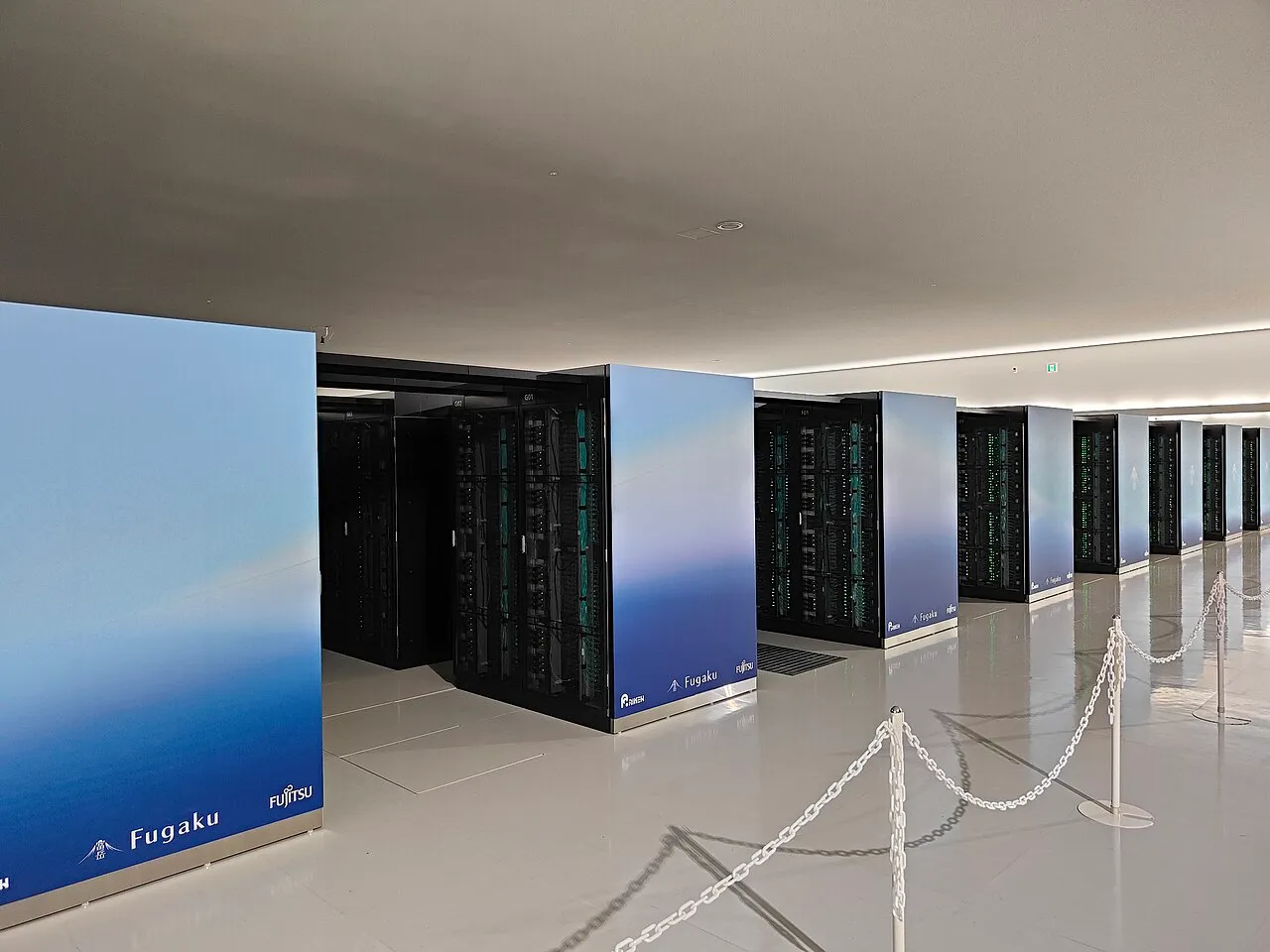
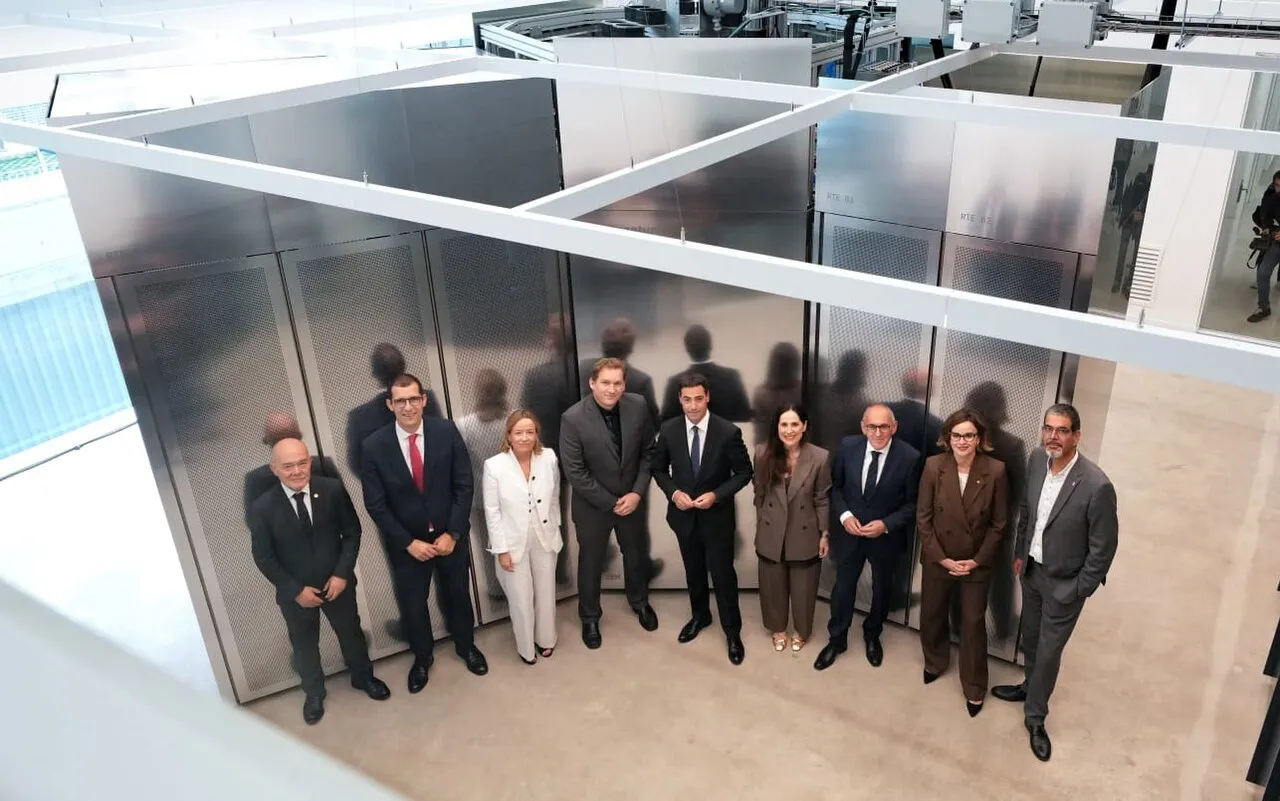
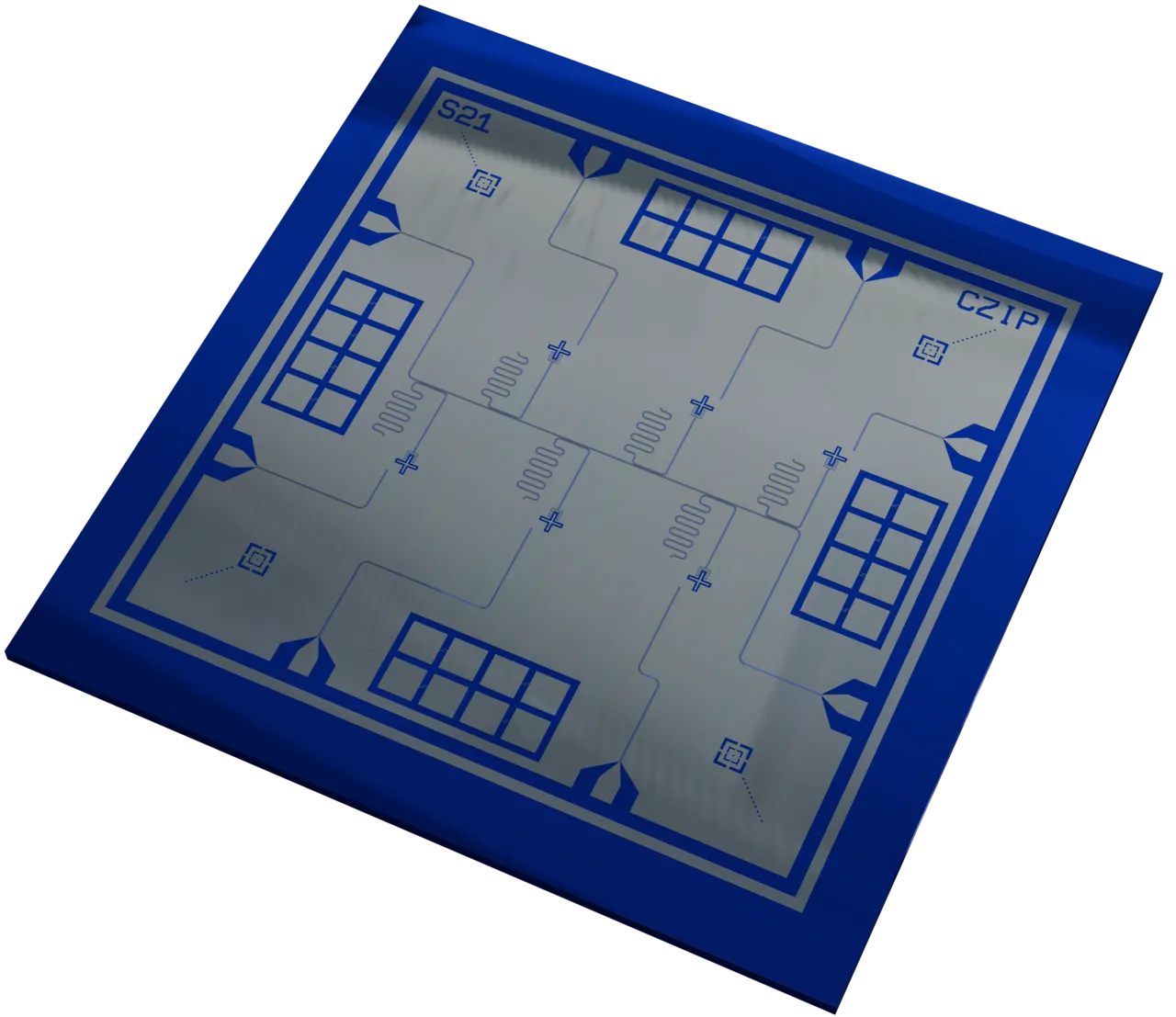
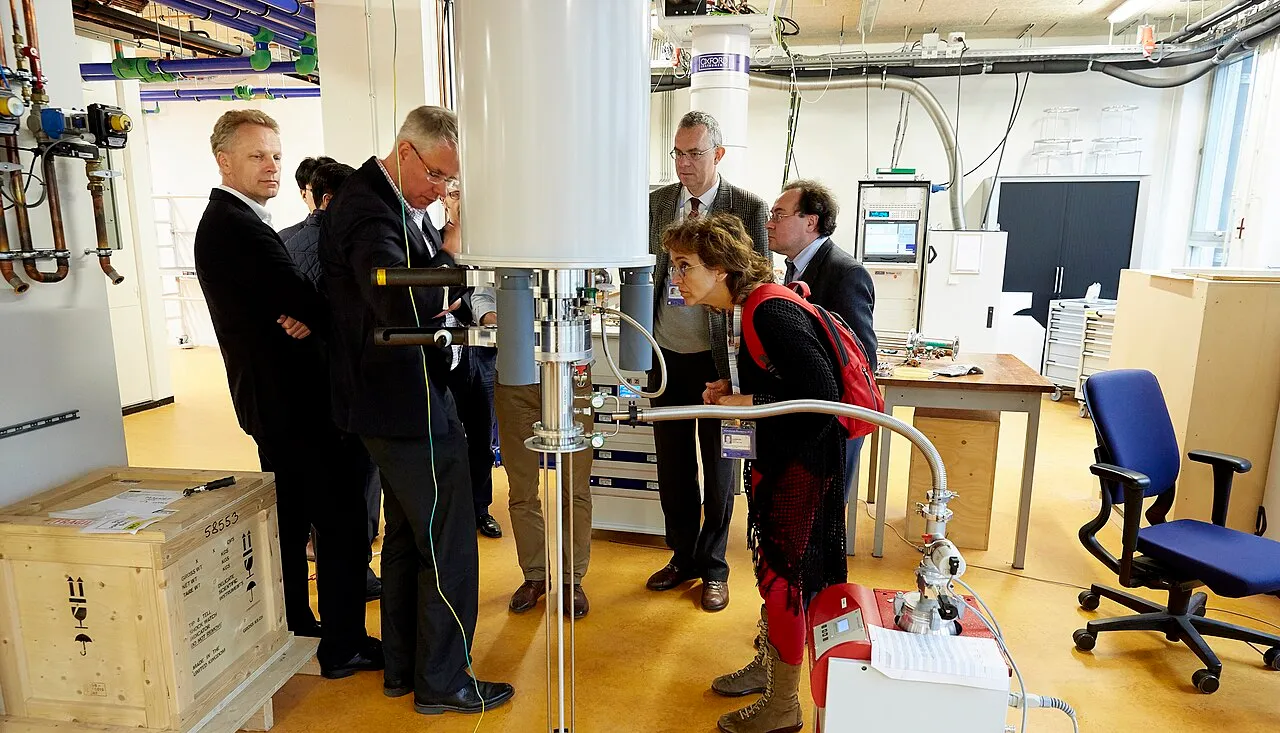
Quantinuum, the University of Tsukuba and RIKEN’s Center for Computational Science have run a workflow that ties Japan’s Fugaku supercomputer to two different quantum processors at once, according to a Quantinuum-authored paper. One chip, an on-site IBM superconducting processor, sat next to Fugaku in Kobe. The other, Quantinuum’s trapped-ion Reimei system, sat 500 km away in Wako. Quantinuum’s Tierkreis middleware, software that routes jobs between classical and quantum hardware, coordinated the split.
According to the same Quantinuum-authored paper, the team tested the setup on a 16-site two-dimensional transverse-field Ising model, a standard benchmark for simulating magnetic materials. The nearby superconducting chip ran 500 variational iterations, taking 500 shots per measurement, to find good parameters. It then handed those parameters to the remote trapped-ion system for a slower but more accurate phase-estimation step that took 300 shots. That handoff cut the benchmark’s energy error from 2.47 to 0.61.
The trapped-ion side of that split has since been upgraded. RIKEN moved Reimei from Quantinuum’s 20-qubit System Model H1 to the 56-qubit System Model H2, a trapped-ion processor with all-to-all qubit connectivity, according to Quantinuum. The new system keeps its direct, low-latency link into Fugaku’s compute partitions. It is aimed at larger computational-chemistry problems such as drug discovery and materials science.
SoftBank has joined Quantinuum and RIKEN in expanding their partnership to commercialise hybrid quantum-AI supercomputing in Japan, according to Quantinuum. The three partners want to build a domestically built, fault-tolerant quantum computer. The plan combines the upgraded Reimei H2 with RIKEN’s ROQUO GPU cluster and Fugaku. SoftBank is assessing a direct link between quantum hardware and its own commercial AI data centres. Announcing the expansion, Quantinuum chief executive Rajeeb Hazra called RIKEN’s continued use of Quantinuum hardware a validation of its technology roadmap. He said the Reimei upgrade widens what the two groups can explore together across electronics, energy and life sciences. RIKEN’s Mitsuhisa Sato said the upgraded system lets researchers take on more complex and larger-scale scientific problems.
A Quantinuum-authored paper separately reports an end-to-end hybrid workflow that Quantinuum and RIKEN ran on Fugaku and Reimei. The workflow calculated biomolecular excited-state energies, orchestrating the supercomputer and the quantum coprocessor directly through an API rather than through Tierkreis. RIKEN and Quantinuum say the next step is the fault-tolerant quantum computer the expanded partnership is working toward.
Sources
- [1]Quantum-HPC Workflows Across Multiple Quantum Computing Platforms: Two Case Studies arXiv (quant-ph)
- [2]RIKEN Scales Quantum-Supercomputing in Japan with Quantinuum System Upgrade Quantinuum
- [3]Quantinuum and RIKEN Expand Partnership to Accelerate the Commercialization of Quantum-AI Hybrid Supercomputing in Japan Quantinuum
- [4]Quantum-HPC hybrid computation of biomolecular excited-state energies arXiv (quant-ph)
MethodologyHow this article was made
- Facts confirmed
- 6 / 6
- Sources
- 4
- Last checked
- Nov 11, 2026
- Image
- Photo
This article was written by an AI system from facts in international trade media, publications by companies and research institutes and public sources, with the source for every fact, and checked under our methodology. The byline is an editorial pseudonym. Found an error? Report it through the contact page.
Facts used
- Quantinuum, the University of Tsukuba and RIKEN's Center for Computational Science demonstrated a hybrid workflow that links the Fugaku supercomputer in Kobe to two different quantum processors at once, an on-site IBM superconducting chip and Quantinuum's trapped-ion Reimei system 500 km away in Wako, coordinated through Quantinuum's Tierkreis middleware, according to a Quantinuum-authored preprint. arXiv preprint 2609.31528, 'Quantum-HPC Workflows Across Multiple Quantum Computing Platforms: Two Case Studies' (Seitz, Tsuji, Kikuchi et al., Quantinuum/RIKEN) · Nov 11, 2026
- In the demonstration, researchers ran a 16-site two-dimensional transverse-field Ising model benchmark, using the superconducting processor for 500 variational iterations with 500 shots per measurement before handing optimized parameters to the trapped-ion system for a higher-fidelity phase estimation step with 300 shots, which cut the energy error from 2.47 to 0.61, detailed in the same Quantinuum-authored SC26 preprint. arXiv preprint 2609.31528, 'Quantum-HPC Workflows Across Multiple Quantum Computing Platforms: Two Case Studies' (Seitz, Tsuji, Kikuchi et al., Quantinuum/RIKEN) · Nov 11, 2026
- RIKEN upgraded its Reimei system at Wako from Quantinuum's 20-qubit System Model H1 to the 56-qubit System Model H2, a trapped-ion processor with all-to-all connectivity that keeps its direct, low-latency link into Fugaku's compute partitions, aimed at larger computational-chemistry problems such as drug discovery and materials science, according to Quantinuum. Quantinuum press release, 'RIKEN Scales Quantum-Supercomputing in Japan with Quantinuum System Upgrade' · Nov 11, 2026
- Quantinuum, RIKEN and SoftBank expanded their partnership to commercialize hybrid quantum-AI supercomputing in Japan and to work toward a domestically built, fault-tolerant quantum computer, combining the upgraded Reimei H2 with RIKEN's ROQUO GPU cluster and Fugaku, with SoftBank also assessing a direct link between quantum hardware and its commercial AI data centers, according to Quantinuum. Quantinuum press release, 'Quantinuum and RIKEN Expand Partnership to Accelerate the Commercialization of Quantum-AI Hybrid Supercomputing in Japan' · Nov 11, 2026
- Announcing the expanded partnership, Quantinuum CEO Rajeeb Hazra called RIKEN's continued adoption of Quantinuum hardware a validation of its technology roadmap, and said the Reimei upgrade expands what the two can explore together across electronics, energy and life sciences, while RIKEN's Mitsuhisa Sato said the upgraded system lets researchers tackle more complex and larger-scale scientific problems, according to Quantinuum. Quantinuum press release, 'Quantinuum and RIKEN Expand Partnership to Accelerate the Commercialization of Quantum-AI Hybrid Supercomputing in Japan' · Nov 11, 2026
- Separately, Quantinuum and RIKEN reported an end-to-end hybrid quantum-HPC chemistry workflow on Fugaku and Reimei that calculated biomolecular excited-state energies using direct API orchestration between the supercomputing center and the quantum coprocessor, detailed in a Quantinuum-authored arXiv preprint. arXiv preprint 2601.15677, 'Quantum-HPC hybrid computation of biomolecular excited-state energies' (Quantinuum/RIKEN) · Nov 11, 2026