What Does "Below Threshold" Mean In Quantum Error Correction, And Who Has Shown It?
According to IBM, “below threshold” means a quantum chip’s qubits and gates are reliable enough that error correction removes more mistakes than it adds. Wiring more of them together into one logical qubit then makes that logical qubit steadier as it grows. Using surface codes and state-of-the-art gadgets, IBM puts that practical threshold at roughly 0.1% to 1% physical error per operation, and says the exact figure depends on the code and the gadgets used. According to Google Quantum AI and QuEra, two teams have reported the effect itself: logical error falling as the code scales up. Google Quantum AI showed it on superconducting qubits from December 2024, and a Harvard-MIT-QuEra collaboration showed it on neutral atoms. Quantinuum has separately cleared a related but different milestone on trapped ions.
The underlying idea is older than any of those results. According to IBM, the threshold theorem states that a noisy quantum circuit can still run any computation accurately. The condition: every physical qubit and gate must stay below a fixed, nonzero error threshold. The cost of that reliability is then a circuit size that scales only as N times a constant power of the logarithm of N, rather than exploding. IBM says that without the theorem, large-scale quantum computing would be hard to imagine. It rules out any fundamental physical barrier to building a reliable computer from imperfect, noisy parts.
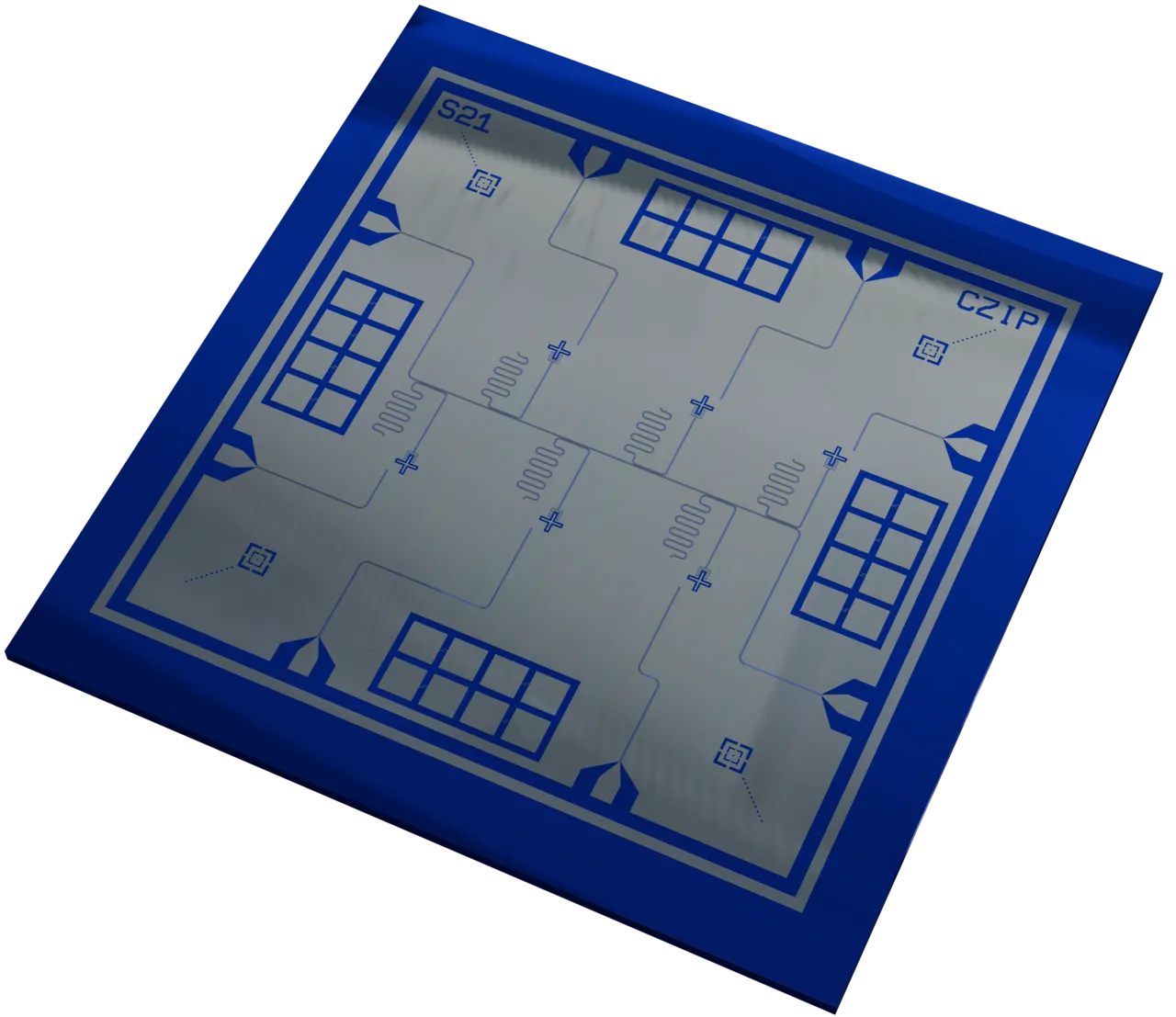
Google was first to show the effect at scale. According to Google Quantum AI, it reported in Nature in December 2024, in a paper titled “Quantum error correction below the surface code threshold”. Its Willow chip ran surface codes of increasing size, from a 3x3 to a 5x5 to a 7x7 grid of physical qubits. Each step up cut the logical error rate by a factor of about 2.14. According to Google Quantum AI, this was a nearly 30-year-old goal, one the field had pursued since the inception of error-corrected quantum computing in the 1990s. It was the first direct evidence that adding more physical qubits per logical qubit can make that logical qubit more reliable, once the hardware clears the threshold. Its best logical qubit held its state more than twice as long as the best individual physical qubit on the same chip. It also ran a repetition code for about 10 billion cycles without an error.
Quantinuum reached a related, earlier-stage milestone on different hardware. According to Quantinuum, in June 2025 its System Model H1-1 produced a magic state with a record infidelity of about 7x10^-5, ten times better than any previously published result. It used that state to run the first circuit with a fully fault-tolerant universal gate set and repeatable error correction. That circuit reached a two-qubit non-Clifford gate infidelity of about 2x10^-4, almost ten times better than its physical error rate. That is a break-even result, the logical error rate beats the physical one, rather than a demonstration of logical error falling as the code grows. Quantinuum called it the last major technical hurdle before Apollo, its planned fully fault-tolerant computer due in 2029.
The most recent below-threshold demonstration moved to neutral atoms. According to QuEra, a Harvard-MIT-QuEra team, published in Nature, combined every element needed for scalable fault-tolerant computing in one integrated architecture for the first time. It ran algorithms with up to 96 logical qubits, with logical error rates that improved rather than worsened as the system scaled up. A trade-press account of the same work, published on November 23, 2025, puts the physical qubit count behind that demonstration at 448 neutral atoms.
None of these results is a working large-scale quantum computer. According to Google Quantum AI and IBM, Google frames the Willow result as progress toward that goal, not completion of it. “We still have a long way to go before we reach our goal of building a large-scale, fault-tolerant quantum computer,” the company says. According to IBM, its course materials frame the threshold theorem the same way: proof that no fundamental barrier stops a reliable computer being built, a separate question from one already existing.
Sources
- [1]Threshold theorem IBM Quantum en IBM Research
- [2]Making quantum error correction work Google Quantum AI
- [3]Quantinuum overcomes last major hurdle to deliver scalable, universal, fault-tolerant quantum computers by 2029 Quantinuum
- [4]QuEra Computing marks record 2025 as the year of fault tolerance QuEra Computing
- [5]Harvard and Collaborators Demonstrate Scalable Fault-Tolerant Architecture With 448 Neutral-Atom Qubits Quantum Computing Report (GQI)
MethodologyHow this article was made
- Facts confirmed
- 7 / 7
- Sources
- 5
- Last checked
- Nov 5, 2026
- Image
- Photo
This article was written by an AI system from facts in international trade media, publications by companies and research institutes and public sources, with the source for every fact, and checked under our methodology. The byline is an editorial pseudonym. Found an error? Report it through the contact page.
Facts used
- IBM explains that "below threshold" means the physical error rate of a quantum chip's qubits and gates is low enough that error correction removes more mistakes than it introduces, so adding more physical qubits per logical qubit makes the logical qubit more reliable rather than less. Using surface codes and state-of-the-art gadgets, IBM estimates this threshold at roughly 0.1% to 1% physical error per operation, and says the exact figure depends on the code and the gadgets used. IBM Quantum Learning · Nov 5, 2026
- According to IBM's own quantum error correction course materials, the threshold theorem states that a noisy quantum circuit can still run any quantum computation with high accuracy, as long as the error probability at every physical qubit and gate stays below a fixed, nonzero threshold value, with the size of the circuit then scaling only as N times a constant power of the logarithm of N, rather than exploding. IBM says that without this theorem, large-scale quantum computing would be hard to imagine, because it proves no fundamental physical barrier stops reliable computers being built from imperfect, noisy parts. IBM Quantum Learning · Nov 5, 2026
- In December 2024, Google Quantum AI reported in Nature, in a paper titled "Quantum error correction below the surface code threshold", that its Willow chip was the first system to show below-threshold behaviour at scale. Testing surface codes of increasing size, from a 3x3 to a 5x5 to a 7x7 grid of physical qubits, Google said each step up cut the logical error rate by a factor of about 2.14. Google Quantum AI · Nov 5, 2026
- Google called this a nearly 30-year-old goal, one the field had pursued since the inception of error-corrected quantum computing in the 1990s, because it is the first direct evidence that adding more physical qubits per logical qubit can make a logical qubit more reliable rather than less, once the hardware is good enough. Google also reported that its best logical qubit held its state for more than twice as long as the best individual physical qubit on the same chip, and ran a repetition code for about 10 billion cycles without an error. Google Quantum AI · Nov 5, 2026
- In June 2025, Quantinuum said its System Model H1-1 produced a magic state with a record infidelity of about 7x10^-5, ten times better than any previously published result, and used it to run the first circuit with a fully fault-tolerant universal gate set and repeatable error correction, reaching a two-qubit non-Clifford gate infidelity of about 2x10^-4, almost ten times better than its physical error rate. This is a break-even result (the logical error rate beats the physical one), not a demonstration of logical error falling as the code size grows; Quantinuum called it the last major technical hurdle before its planned fully fault-tolerant computer, Apollo, due in 2029. Quantinuum · Nov 5, 2026
- QuEra said a Harvard-MIT-QuEra team, published in Nature, combined every element needed for scalable fault-tolerant computing in one integrated neutral-atom architecture for the first time, running algorithms with up to 96 logical qubits and showing logical error rates that improved, rather than worsened, as the system scaled up — a result QuEra itself describes as below-threshold performance. The Quantum Computing Report, an industry trade outlet, covered the same work on November 23, 2025, putting the physical qubit count used in the demonstration at 448 neutral atoms. QuEra Computing · Nov 5, 2026
- Google itself frames the Willow result as progress toward, not completion of, the goal of building a large-scale, fault-tolerant quantum computer, saying "in practice, it's not so easy - we still have a long way to go before we reach our goal of building a large-scale, fault-tolerant quantum computer." IBM's own course materials describe the threshold theorem the same way, as proof that no fundamental barrier stops a reliable computer being built, a separate question from one already existing. Google Quantum AI · Nov 5, 2026