Universal Quantum Launches the iQPU, a Foundry-Built Chip for Scaling Trapped-Ion Computers
UK trapped-ion company Universal Quantum has launched the iQPU, a foundry-fabricated chip with on-die control electronics, and is building two of the systems for Germany's DLR under a €67 million contract.
- Published
- Updated
- 2 min read
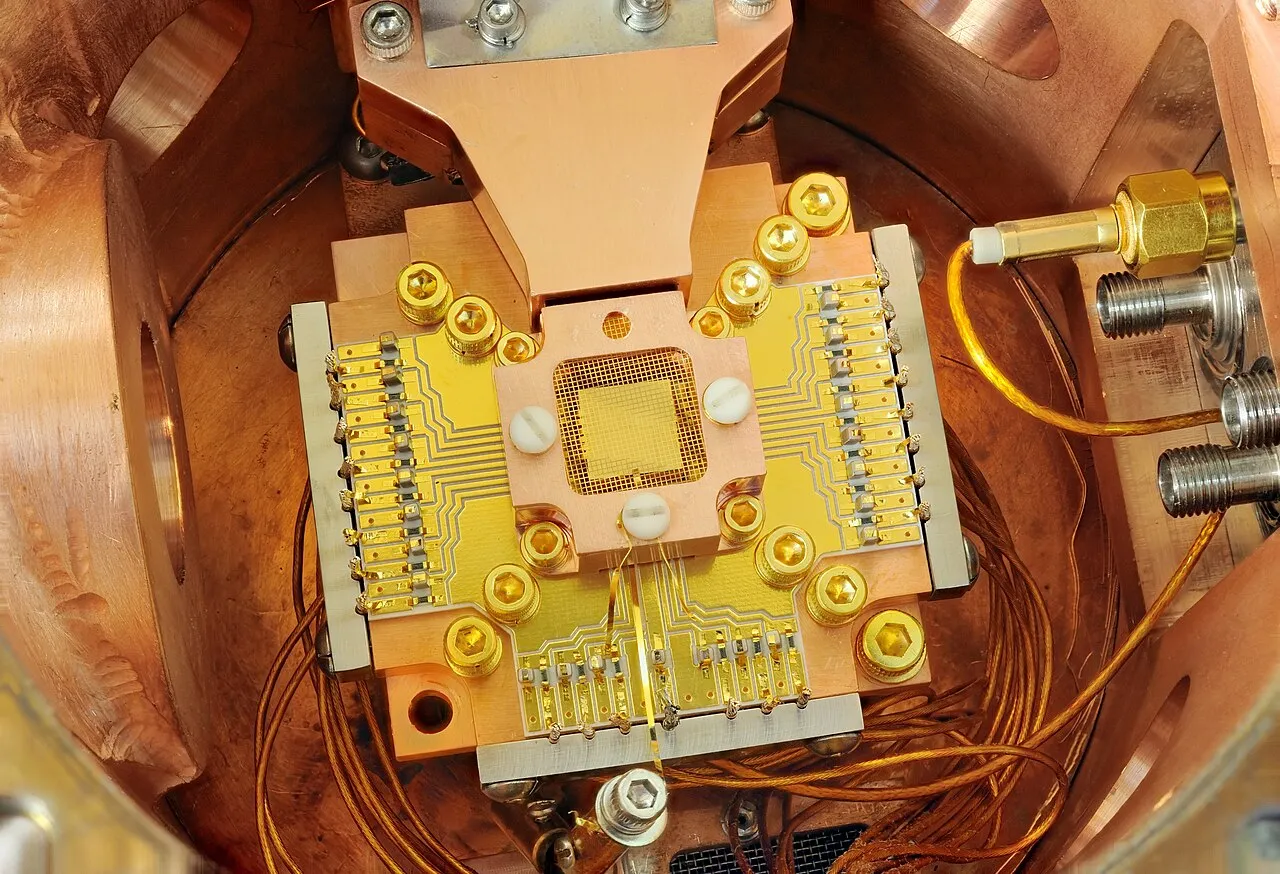
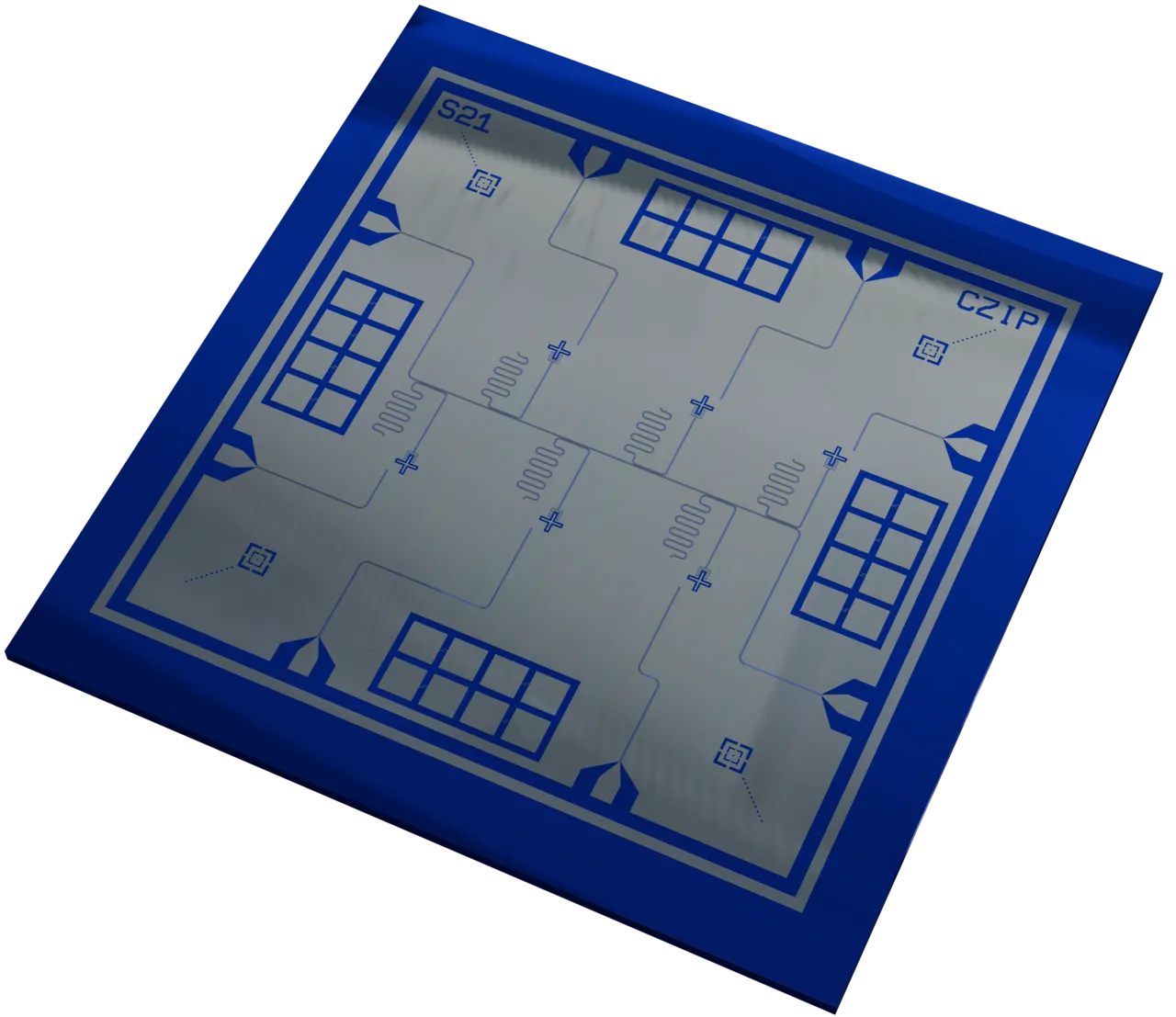
Universal Quantum, a UK company that builds quantum computers from trapped ions, has launched the iQPU, the company says. The chip is built on a commercial 200mm semiconductor foundry line, with more than 400 square millimetres of active compute surface. It puts control electronics directly on the die. That removes the external wiring that has limited how large trapped-ion systems can grow.
Trapped-ion computers hold their qubits as individual charged atoms. Electric fields suspend and move the atoms, rather than etching them onto a chip the way superconducting qubits are made. Most such systems are still assembled largely by hand, with separate wiring run out to each electrode that holds and shuttles the ions. That works for small prototypes. It is harder to reproduce consistently as a system grows, the scaling problem a foundry-made chip is meant to address.
The iQPU uses a Quantum Charge-Coupled Device layout, with ions shuttled dynamically between zones, Universal Quantum says. It pairs that with ultra-low-noise control electronics built into the chip itself. A proprietary interconnect the company calls UQConnect links several iQPU modules together coherently. Universal Quantum says that link is the basis for scaling the design to larger systems.
According to Sebastian Weidt, Universal Quantum CEO, the iQPU combines the company’s interconnect technology with a chip architecture built to control qubits at scale. He said that scale is possible because the chip is made in a commercial semiconductor foundry. Mike Newman, Universal Quantum’s VP of Engineering, said the modular approach lets the same engineered unit be manufactured, tested and connected repeatedly. That replaces building a scalable machine by adding qubits one at a time.
The shuttling layout the iQPU uses, moving ions between separate storage and operation zones, is a design other trapped-ion builders already use. Those machines are usually assembled from discrete parts rather than a single fabricated chip. Linking several such chips coherently is how a multi-chip trapped-ion system moves past the qubit count one chip can hold alone.
The launch follows a 100 million dollar Series A round, closed by Universal Quantum, a spinout from the University of Sussex, in October 2026, the company says. That was shortly before the iQPU launch.
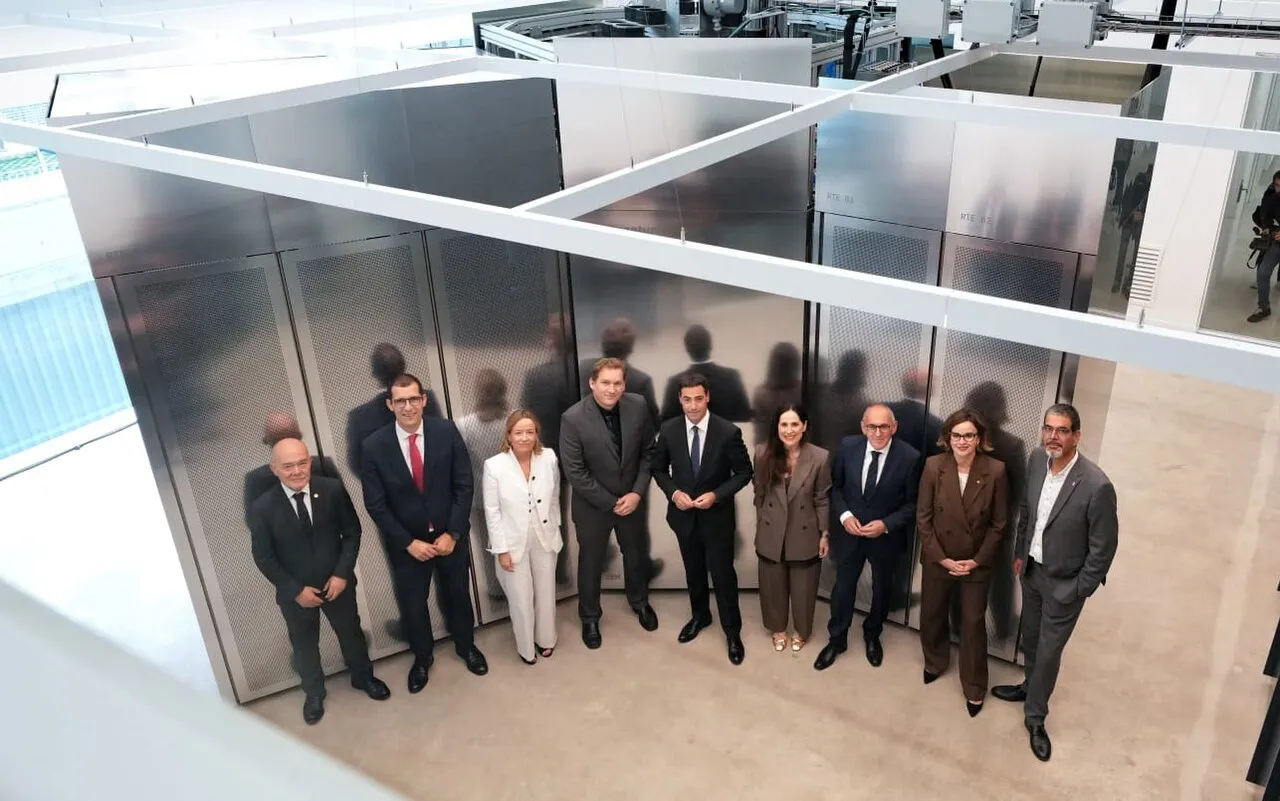
The clearest European side of the launch is a customer rather than an investor, according to Universal Quantum. The company is delivering two quantum computers built around the iQPU to the German Aerospace Center, DLR, under a 2022 contract worth 67 million euros. DLR, Germany’s national research centre for aviation and space, intends to use the systems for space-mission planning, climate modelling and materials design.
Sources
- [1]Universal Quantum Combines Ion Trap, Controls and Modular Links in New Chip The Quantum Insider
- [2]Universal Quantum Unveils the iQPU: Foundry-Fabricated Trapped-Ion Processor Engineered for Modular Scaling Quantum Computing Report (GQI)
- [3]Universal Quantum launches the iQPU, a chip designed to take quantum computers to scale Universal Quantum
- [4]Auftragsvergabe im Rahmen der DLR Quantencomputing-Initiative Deutsches Zentrum für Luft- und Raumfahrt (DLR) / Quantencomputing-Initiative
- [5]University of Sussex spinout Universal Quantum raises "record" $100M Series A Tech.eu
- [6]Sussex spinout Universal Quantum lands $100M+ Series A as the UK quantum funding race heats up Tech Funding News
MethodologyHow this article was made
- Facts confirmed
- 6 / 6
- Sources
- 6
- Last checked
- Nov 3, 2026
- Image
- Photo
This article was written by an AI system from facts in international trade media, publications by companies and research institutes and public sources, with the source for every fact, and checked under our methodology. The byline is an editorial pseudonym. Found an error? Report it through the contact page.
Facts used
- Universal Quantum, a UK trapped-ion quantum computing company, has launched the iQPU, an integrated quantum processing chip made on a commercial 200mm semiconductor foundry line with more than 400 square millimetres of active compute surface. The chip puts control electronics directly on the die to remove the external wiring that has limited how large trapped-ion systems can grow, launched in November 2026. Universal Quantum (own announcement) · Nov 3, 2026
- The iQPU uses a Quantum Charge-Coupled Device layout with dynamic ion shuttling between zones and built-in ultra-low-noise control electronics on-chip. A proprietary interconnect the company calls UQConnect links several iQPU modules together coherently, which Universal Quantum says is the basis for scaling the design to larger systems. Universal Quantum (own announcement) · Nov 3, 2026
- Universal Quantum CEO and co-founder Sebastian Weidt said the iQPU combines the company's interconnect technology with a chip architecture built to control qubits at scale, made possible by manufacturing it in a commercial semiconductor foundry. Universal Quantum (own announcement) · Nov 3, 2026
- Universal Quantum VP of Engineering Mike Newman said the iQPU's modular approach means the same engineered unit can be manufactured, tested and connected repeatedly, rather than building a scalable quantum computer by adding qubits one at a time. Universal Quantum (own announcement) · Nov 3, 2026
- Universal Quantum closed a 100 million dollar Series A funding round in October 2026, shortly before the iQPU launch. Universal Quantum (own announcement) · Nov 3, 2026
- Universal Quantum is delivering two quantum computers built around the iQPU to the German Aerospace Center (DLR) under a 2022 contract worth 67 million euros, for use in space-mission planning, climate modelling and materials design. Universal Quantum (own announcement) · Nov 3, 2026