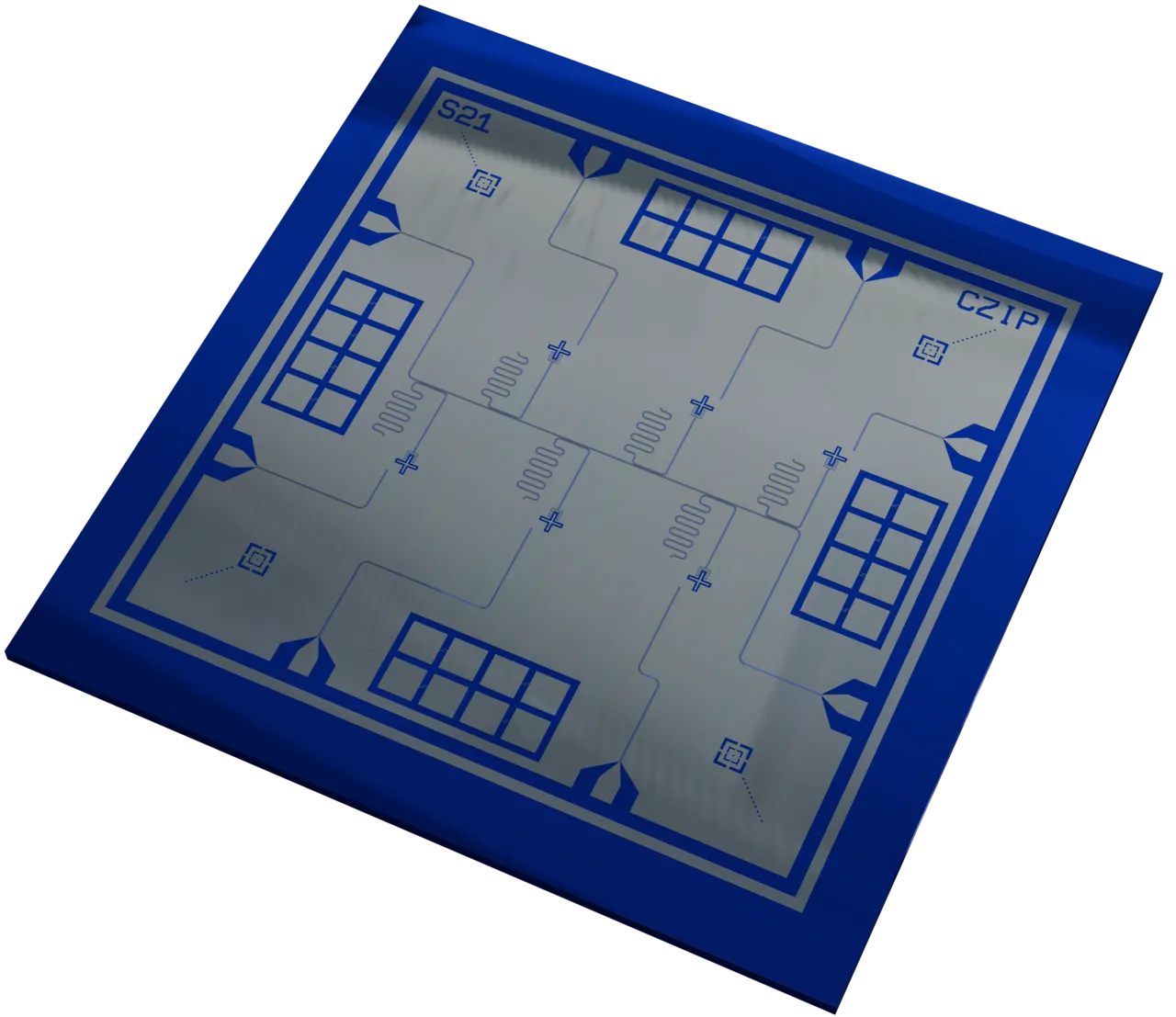
Riverlane's Data-Driven Error Model Cuts Surface-Code Logical Errors by Up to 75%
Riverlane says a data-driven way of enriching the error models behind surface-code decoders cut the logical error rate by about 75% in simulation and by about 14% on real Google hardware data, according to a preprint posted this month.
- Published
- Updated
- 1 min read
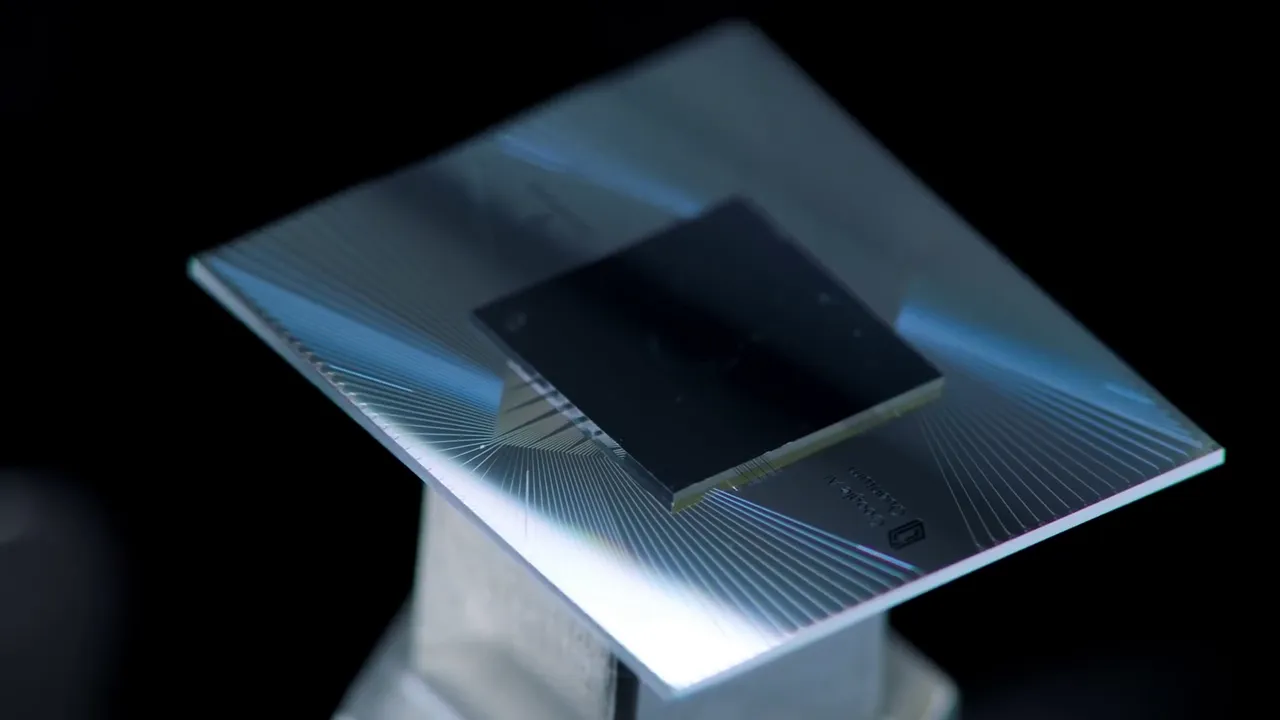
According to Riverlane’s preprint, a new way of building the error models behind surface-code decoders cut the simulated logical error rate by about 75%. At code distance 15, it lifted the error-suppression factor from roughly 1.71 to roughly 2.06.
The surface code is the error-correction scheme most superconducting quantum computers plan to use. It turns noisy physical qubits into one reliable logical qubit, and its decoder is only as good as the error model it is given. According to Riverlane’s preprint, the company built a data-driven way to improve that model. Instead of assuming only the error types a decoder designer expects, it mines the decoder’s own syndrome data for correlated error mechanisms a standard model misses, then folds them back in.
A second test, according to Riverlane’s preprint, used real hardware data from a distance-7 surface-code run on a Google Quantum AI processor. There the gain was smaller: about a 14% drop in the logical error rate and roughly a 9% improvement in the error-suppression factor.
According to Riverlane’s preprint, the technique combines pairwise error mechanisms from a baseline detector error model. It uncovers higher-order correlated mechanisms, then reshapes the result so graph-based decoders such as PyMatching can still use it. Four researchers are named as authors in Riverlane’s preprint: Zohar Schwartzman-Nowik, Matthew Stafford, Boris Varbanov and Joan Camps. It frames the result as the first data-driven augmentation method of this kind that keeps compatibility with correlated graph-based decoders.
Sources
MethodologyHow this article was made
- Facts confirmed
- 5 / 5
- Sources
- 2
- Last checked
- Nov 8, 2026
- Image
- Photo
This article was written by an AI system from facts in international trade media, publications by companies and research institutes and public sources, with the source for every fact, and checked under our methodology. The byline is an editorial pseudonym. Found an error? Report it through the contact page.
Facts used
- In its own simulations of a distance-15 surface code, Riverlane reports that its augmented error model cut the logical error rate by about 75 percent compared with the unmodified model, lifting the code's error-suppression factor from roughly 1.71 to roughly 2.06. arXiv preprint 2611.06605 (Riverlane authors) · Nov 8, 2026
- Riverlane says it built a data-driven way to improve the error models that quantum error-correction decoders rely on for the surface code. Instead of assuming only the error types a decoder designer expects, the method mines actual syndrome-measurement data for correlated error mechanisms that standard detector error models miss, then folds those extra mechanisms back into the model so the decoder can account for them. arXiv preprint 2611.06605 (Riverlane authors) · Nov 8, 2026
- Applying the same augmentation to real hardware data, from a distance-7 surface-code run on a Google Quantum AI processor, Riverlane reports a smaller but still measurable gain of about a 14 percent drop in the logical error rate and roughly a 9 percent improvement in the error-suppression factor. arXiv preprint 2611.06605 (Riverlane authors) · Nov 8, 2026
- Riverlane published the work as a preprint, describing how the technique combines pairwise error mechanisms from a baseline detector error model to uncover higher-order correlated mechanisms, then reshapes them so graph-based decoders such as PyMatching can still use the result. arXiv preprint 2611.06605 (Riverlane authors) · Nov 8, 2026
- The preprint lists four Riverlane researchers as authors, Zohar Schwartzman-Nowik, Matthew P. Stafford, Boris M. Varbanov and Joan Camps, and frames the result as the first data-driven DEM augmentation method that produces decomposed hyperedges with assigned logical effects, keeping compatibility with correlated graph-based decoders. arXiv preprint 2611.06605 (Riverlane authors) · Nov 8, 2026