Quantinuum Lays Out a Roadmap to Automate Fault-Tolerant Deployment on Nexus
Quantinuum has set out a multi-year roadmap for Nexus, its cloud platform for quantum programs, mapping steps from today's early error-corrected runs to automated deployment on a fully fault-tolerant machine it is targeting for 2029.
- Published
- Updated
- 2 min read
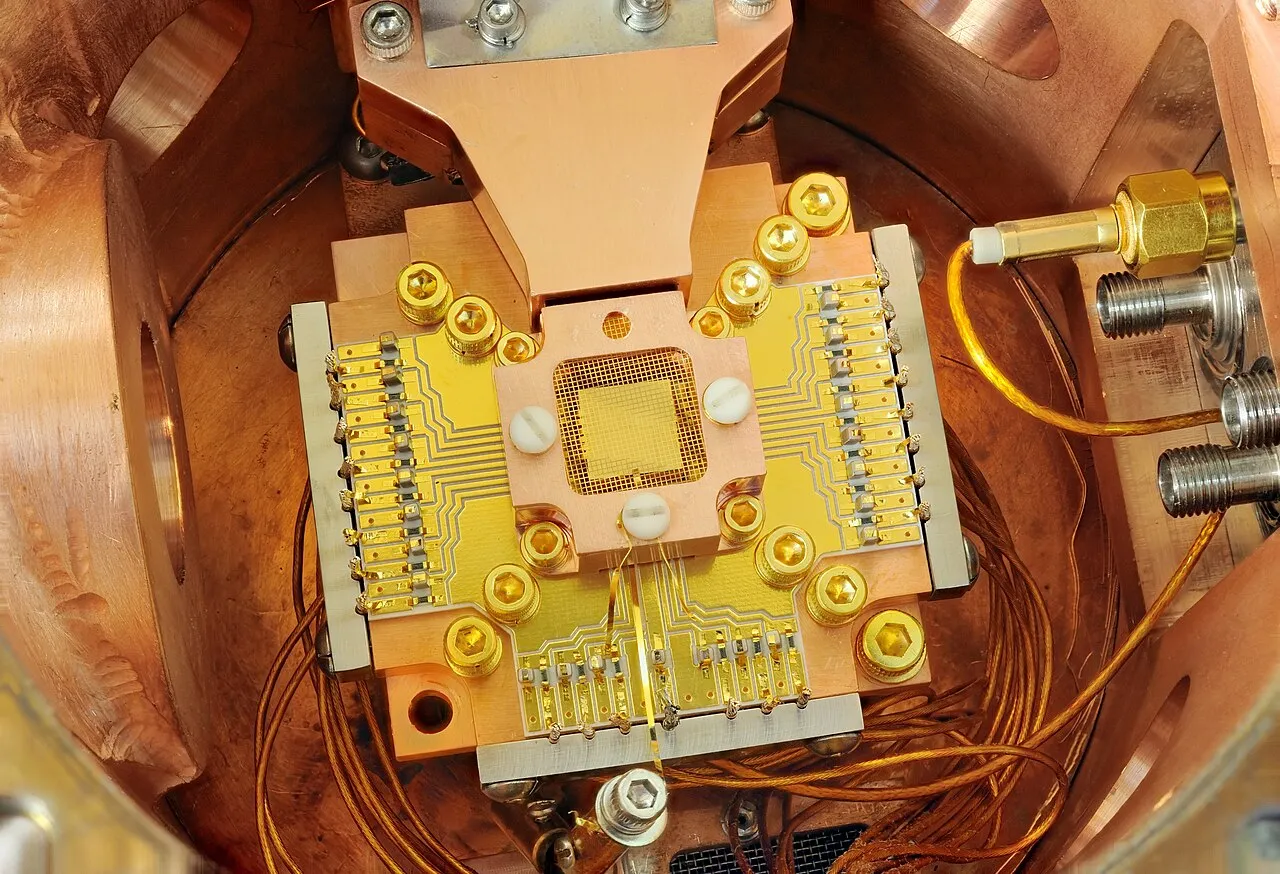
Quantinuum has laid out a multi-year roadmap for Nexus, its cloud platform for building and running quantum programs, according to the company. The roadmap maps steps toward automated deployment on a fully fault-tolerant machine. Such a machine can catch and correct its own errors reliably enough to run long, demanding calculations. Today’s quantum computers only manage early, error-corrected test runs by comparison.
Quantinuum grouped the plan into three stages that build on each other, according to the company. The first helps developers write and encode fault-tolerant programs. The second gives them runtime tools to catch and recover from errors as they happen. The third handles the orchestration needed to run finished applications on Quantinuum’s own processors and on outside high-performance-computing and cloud systems.
That plan sits on top of a hardware timeline Quantinuum has already set out. It runs from today’s Helios generation to a machine named Sol, planned for the second half of 2027. After that comes Apollo, a universal, fully fault-tolerant computer the company is aiming to bring into service by 2029. Apollo is the target the Nexus roadmap is built to serve: automating deployment only matters once a machine is fault-tolerant enough to deploy applications on.
Quantinuum pointed to its September 2026 release of two programming tools, Guppy FT and Guppy Algorithms, as recent building blocks of the roadmap. The company said they widened the error-correction schemes and reusable algorithm components developers can call on within Nexus.
Behind the roadmap, Quantinuum said 215 companies and research groups now use Nexus. That is up 45% over the course of 2026 and nearly 20% quarter on quarter. Computing jobs submitted through the platform rose about tenfold in the 12 months through August 2026, compared with the year before. Quantinuum named several of those users. They include Oracle Cloud Infrastructure, through an integration partnership, and Qubit Pharmaceuticals. The list also covers the Centre for Quantum Technologies, RIKEN and the University of Tokyo, the University of Cambridge, Maastricht University, and the Unitary Foundation’s Metriq benchmarking project.
According to Quantinuum’s CEO, Rajeeb Hazra, the company’s full-stack approach means each advance in hardware can become a capability customers build on through Nexus. He framed the roadmap as proof of that strategy.
The next marker on that strategy is Sol, due in the second half of 2027. Apollo follows, targeted for 2029.
Sources
- [1]Quantinuum Unveils Nexus Roadmap to Deliver the First Developer Platform Designed for the Fault-Tolerant Quantum Era Quantinuum
- [2]Quantinuum Unveils Nexus Roadmap to Automate Fault-Tolerant Application Deployment Through 2029 Quantum Computing Report (GQI)
- [3]Quantinuum Maps Nexus Expansion Ahead of Planned 2029 Fault-Tolerant Computer The Quantum Insider
MethodologyHow this article was made
- Facts confirmed
- 7 / 7
- Sources
- 3
- Last checked
- Nov 6, 2026
- Image
- Photo
This article was written by an AI system from facts in international trade media, publications by companies and research institutes and public sources, with the source for every fact, and checked under our methodology. The byline is an editorial pseudonym. Found an error? Report it through the contact page.
Facts used
- Quantinuum laid out a multi-year roadmap for Nexus, its cloud platform for building and running quantum programs, describing steps meant to carry developers from today's early error-corrected test runs to automated deployment on a fully fault-tolerant machine. Quantinuum · Nov 6, 2026
- Quantinuum is aiming to bring a universal, fully fault-tolerant quantum computer it calls Apollo into service by 2029, after its current Helios generation and a machine named Sol planned for the second half of 2027. Quantinuum · Nov 6, 2026
- Quantinuum grouped the Nexus roadmap into three stages that build on each other, first helping developers write and encode fault-tolerant programs, then giving them runtime tools to catch and recover from errors as they happen, and finally handling the orchestration needed to run finished applications across its own processors as well as outside HPC and cloud systems. Quantinuum · Nov 6, 2026
- Quantinuum said 215 companies and research groups now use Nexus, up 45% over the course of 2026 and nearly 20% quarter on quarter, with the number of computing jobs submitted through the platform up about tenfold in the 12 months through August 2026 compared with the year before. Quantinuum · Nov 6, 2026
- Quantinuum pointed to its September 2026 release of two programming tools, Guppy FT and Guppy Algorithms, as recent building blocks of the roadmap, saying they widened the error-correction schemes and reusable algorithm components developers can call on within Nexus. Quantinuum · Nov 6, 2026
- Quantinuum named several groups running work through Nexus toward the roadmap's goals, including Oracle Cloud Infrastructure through an integration partnership, Qubit Pharmaceuticals and the Centre for Quantum Technologies, RIKEN and the University of Tokyo, the University of Cambridge, Maastricht University, and the Unitary Foundation's Metriq benchmarking project. Quantinuum · Nov 6, 2026
- Quantinuum's chief executive, Rajeeb Hazra, said the company's full-stack approach means each advance in hardware can become a capability customers can build on through Nexus, framing the roadmap as proof of that strategy. Quantinuum · Nov 6, 2026