Microsoft Says Majorana 2 Chip Is 1,000 Times More Reliable Than Its First
Microsoft says its second-generation Majorana topological qubit chip is 1,000 times more reliable than its predecessor, with qubit lifetimes up from milliseconds to tens of seconds, and has moved its fault-tolerant computer target to 2029.
- Published
- Updated
- 1 min read
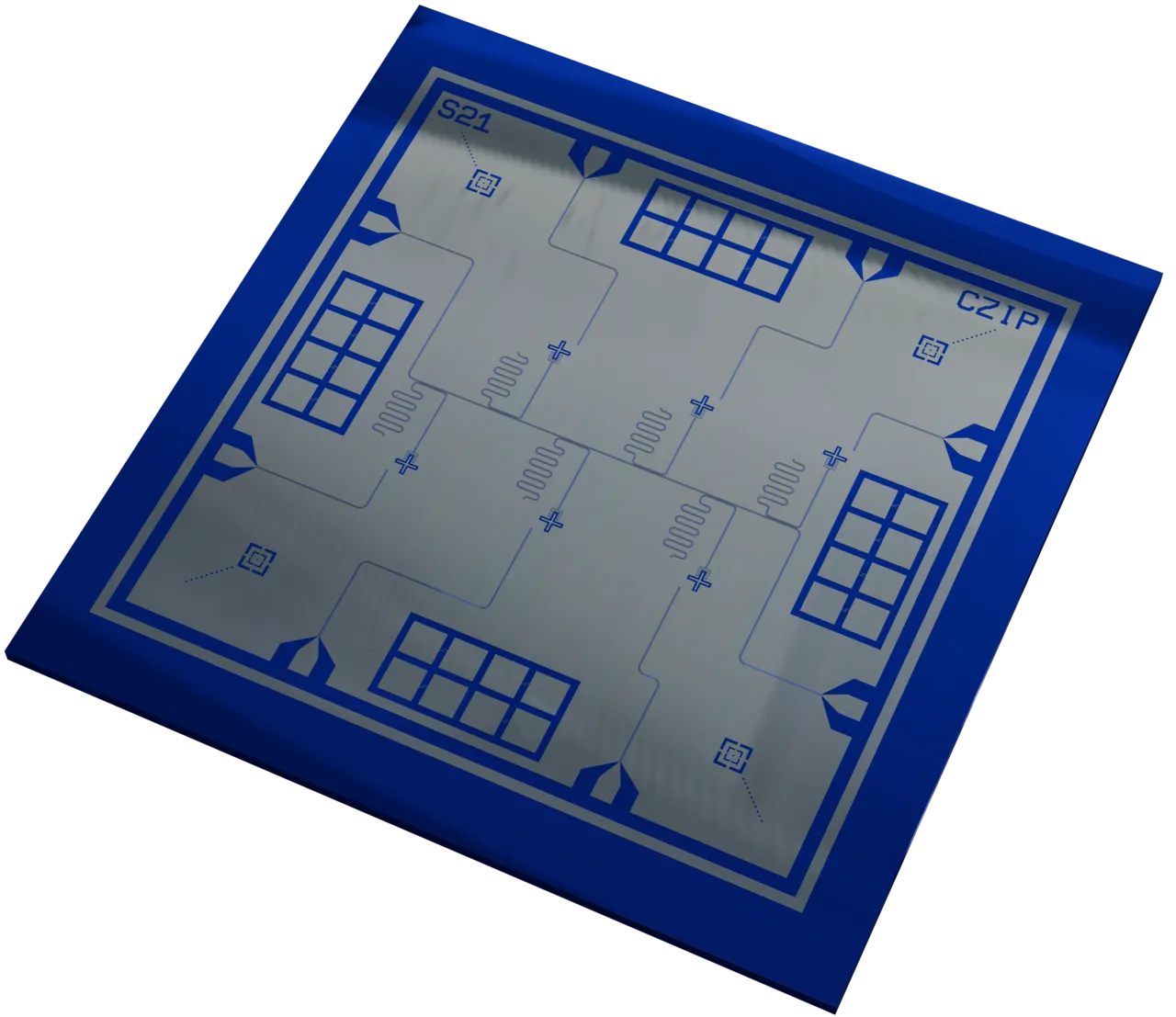
Microsoft says its second-generation Majorana processor, Majorana 2, is 1,000 times more reliable than its first topological qubit chip. It measures that gain in qubit lifetime: how long a qubit holds its state before noise or an error flips it. Majorana 2’s qubits now last more than 20 seconds, and occasionally over a minute. That is up from 1 to 12 milliseconds on Majorana 1.
Microsoft attributes the jump to two changes made between the two chips, unveiled on 2 June 2026. It swapped Majorana 1’s aluminium superconductor for lead. It also more than doubled the topological gap, the energy buffer that shields the qubits from noise and stray errors. Topological qubits are designed to encode information in a way that resists that kind of disturbance; that resistance is the premise of Microsoft’s whole approach.
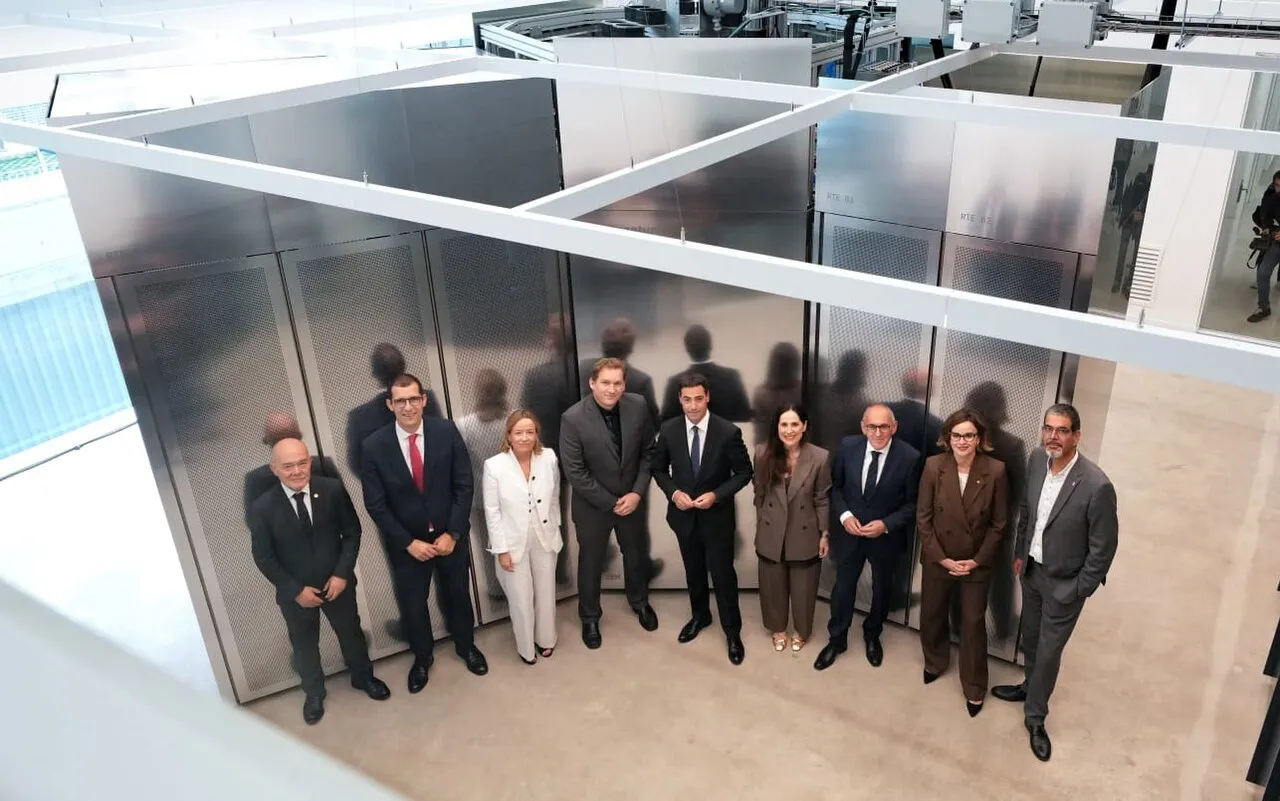
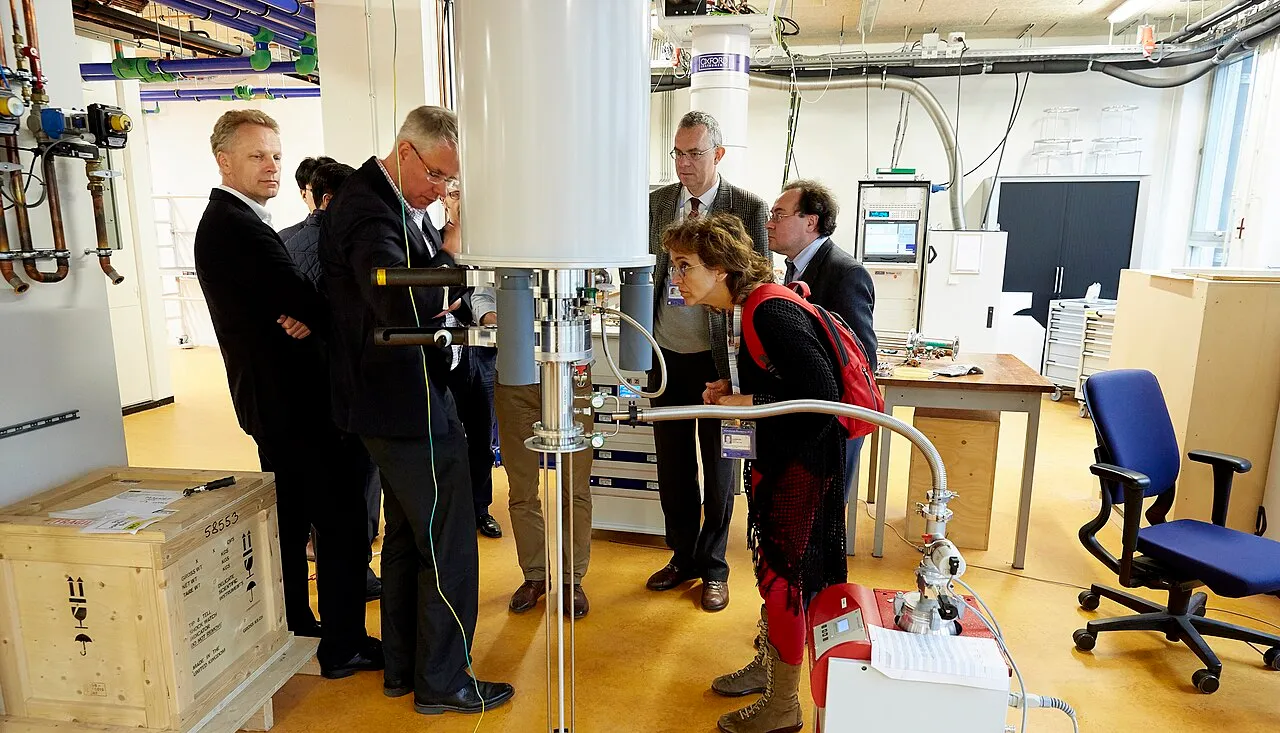
Microsoft fabricates and tests the Majorana chips at its lab in Lyngby, Denmark. That is according to Lauri Sainiemi, the company’s vice president and the lab’s leader. Sainiemi says the expanded facility gives his team the cleanroom capacity, instrumentation and process control to build the full “heart” of the chips on site. That lets them iterate faster, and at higher yield, on the topological qubits.
The reliability gain from Majorana 1 to Majorana 2 has let Microsoft cut its roadmap timeline in half. Its target for a scalable, fault-tolerant quantum computer built on the topological approach now stands at 2029.
Sources
- [1]Majorana 2: A novel, scalable quantum processor Microsoft (Azure Quantum)
- [2]Microsoft opens state-of-the-art quantum lab in Lyngby, Denmark, accelerating progress toward scalable quantum computing Microsoft (Azure Quantum)
- [3]Majorana Qubits Explained: 'The Quantum Kid' Goes Inside Microsoft's Quantum Lab The Quantum Insider
MethodologyHow this article was made
- Facts confirmed
- 3 / 3
- Sources
- 3
- Last checked
- Nov 5, 2026
- Image
- Photo
This article was written by an AI system from facts in international trade media, publications by companies and research institutes and public sources, with the source for every fact, and checked under our methodology. The byline is an editorial pseudonym. Found an error? Report it through the contact page.
Facts used
- Microsoft said its second-generation Majorana 2 chip, unveiled on 2 June 2026, is 1,000 times more reliable than Majorana 1, with qubit lifetimes exceeding 20 seconds (occasionally over one minute), up from 1-12 milliseconds, after swapping Majorana 1's aluminium superconductor for lead and more than doubling the topological gap that protects the qubits from noise and errors. Microsoft Quantum · Nov 5, 2026
- Microsoft's own blog on Majorana 2 says the company has cut in half its timeline for a scalable, fault-tolerant quantum computer using the topological approach, moving the target to 2029. Microsoft Quantum · Nov 5, 2026
- Lauri Sainiemi, Microsoft's vice president and leader of the Lyngby Quantum Lab in Denmark, says the expanded facility gives his team the cleanroom capacity, instrumentation and process control to fabricate the full "heart" of the Majorana chips on site, iterating faster and at higher yield on the topological qubits. Microsoft News (EMEA) · Nov 5, 2026