What Did IBM Promise On Its Quantum Roadmap Since 2020, And What Has It Delivered?
IBM has kept every qubit-count promise on its public quantum roadmap since 2020. The one date it has pushed back, according to IBM, is fault tolerance itself. IBM published that first roadmap in September 2020, after the smaller Falcon (27 qubits) and Hummingbird (65 qubits) chips. It named the 127-qubit Eagle chip for 2021, the 433-qubit Osprey chip for 2022, and the 1,121-qubit Condor chip for the end of 2023. At the time, IBM called a fault-tolerant quantum computer “an achievable goal within the coming decade”.
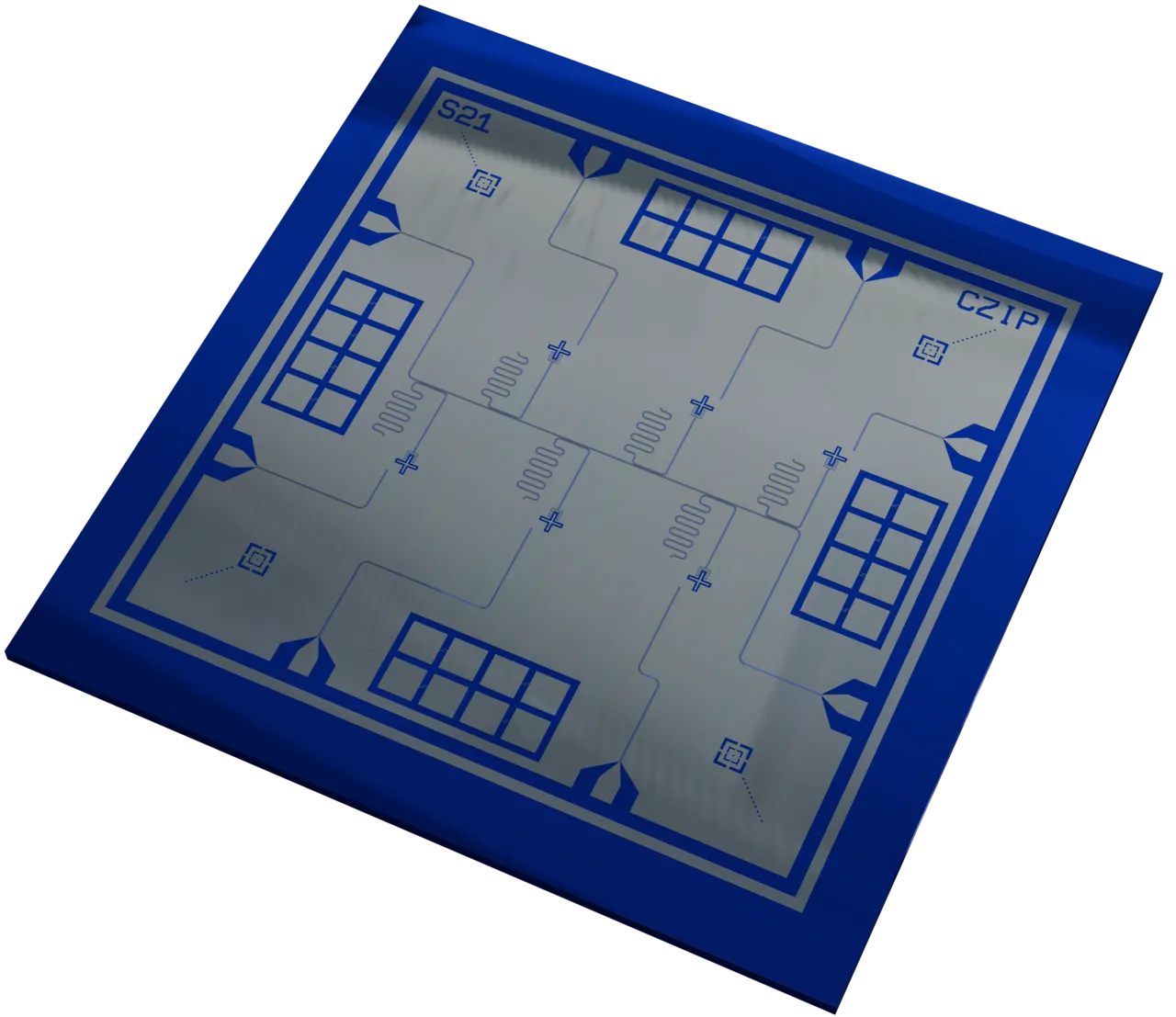
IBM delivered Eagle on schedule, on 16 November 2021. It was IBM’s first chip to pass 100 qubits. A new packaging technique, using through-silicon vias and multi-level wiring, packed the 127 qubits close enough together. Eagle first went to selected members of the IBM Quantum Network.
Osprey followed, according to IBM, on 9 November 2022, with 433 qubits, more than three times Eagle’s count. At the same event IBM unveiled IBM Quantum System Two. That modular computer was meant to house Osprey, Condor and their successors, and should be running by the end of 2023, IBM said.
Condor itself arrived, according to IBM, on 4 December 2023, at 1,121 qubits exactly as promised in 2020. But IBM used that same moment to pivot away from adding more qubits. The newer Heron chip, at 133 qubits, became the basis of IBM’s hardware from then on, not Condor. IBM said Heron performed three to five times better than Eagle. The first IBM Quantum System Two, installed in Yorktown Heights, New York, started out running on three Heron chips rather than on Condor.
In that December 2023 update, IBM also extended its roadmap to 2033. For the first time, it named a date for fault tolerance: Starling, targeted for 2029. Starling is meant to run 200 logical qubits and 100 million quantum gates, using error correction based on the so-called Gross code. A logical qubit is built by encoding information across several physical qubits, so the resulting unit can absorb errors from the underlying hardware. A 2029 target is more concrete than IBM’s 2020 language about fault tolerance being achievable “within the coming decade”. But it also lands later in that same decade.
IBM’s most recent update, on 12 November 2025, reported two further processors on the way to Starling. Nighthawk, at 120 qubits, is meant to show quantum advantage by the end of 2026. The experimental Loon chip demonstrated, for the first time, every hardware component error correction needs. That included error-correction decoding within 480 nanoseconds, a year ahead of IBM’s own schedule. IBM also moved chip production to a new 300mm wafer fab in Albany, New York, which it said doubles its development speed.
That same November 2025 roadmap, according to IBM, sets out the targets through 2033. Nighthawk should show quantum advantage by the end of 2026, with circuits of around 7,500 gates. Starling should compute fault-tolerantly with 200 logical qubits by 2029. The successor Blue Jay should reach 2,000 logical qubits and 1 billion gates by 2033. A fault-tolerant quantum computer is one that automatically corrects errors in its qubits through error-correction codes, rather than merely detecting them.
| Chip or system | Promised | Delivered |
|---|---|---|
| Eagle | 127 qubits, 2021. | 127 qubits, 16 Nov 2021. |
| Osprey | 433 qubits, 2022. | 433 qubits, 9 Nov 2022. |
| Condor | 1,121 qubits, end of 2023. | 1,121 qubits, 4 Dec 2023, then superseded by Heron. |
| Starling (fault-tolerant) | 200 logical qubits, 2029. | Not yet due. |
| Blue Jay | 2,000 logical qubits, 2033. | Not yet due. |
IBM named a specific number and year for every qubit-count chip, and hit both. The one date it has moved is fault tolerance itself. That moved from a vague decade-long outlook in 2020 to a named 2029 target, held since December 2023. The next scheduled test is Nighthawk’s quantum-advantage claim, due by the end of 2026.
Sources
- [1]IBM's Roadmap For Scaling Quantum Technology IBM Quantum en IBM Research
- [2]IBM Unveils Breakthrough 127-Qubit Quantum Processor IBM Quantum en IBM Research
- [3]IBM Unveils 400 Qubit-Plus Quantum Processor and Next-Generation IBM Quantum System Two IBM Quantum en IBM Research
- [4]IBM's Roadmap to Build Quantum-Centric Supercomputers IBM Quantum en IBM Research
- [5]IBM Delivers New Quantum Processors, Software, And Algorithm Breakthroughs On Path To Advantage And Fault Tolerance IBM Quantum en IBM Research
- [6]IBM Quantum Roadmap IBM Quantum en IBM Research
- [7]Quantum error correction Wikipedia EN/NL
MethodologyHow this article was made
- Facts confirmed
- 9 / 9
- Sources
- 7
- Last checked
- Nov 7, 2026
- Image
- Photo
This article was written by an AI system from facts in international trade media, publications by companies and research institutes and public sources, with the source for every fact, and checked under our methodology. The byline is an editorial pseudonym. Found an error? Report it through the contact page.
Facts used
- IBM published its first public quantum roadmap in September 2020, according to IBM. After the smaller Falcon (27 qubits) and Hummingbird (65 qubits) processors, the company said it would deliver the 127-qubit Eagle chip in 2021, the 433-qubit Osprey chip in 2022, and the 1,121-qubit Condor chip by the end of 2023. IBM called a fault-tolerant quantum computer "an achievable goal within the coming decade" at the time. IBM Quantum · Nov 7, 2026
- IBM delivered the Eagle processor on November 16, 2021, its first chip with more than 100 qubits at 127 qubits on a single chip, according to IBM. The company used a new packaging technique with through-silicon vias and multi-level wiring to fit the qubits close enough together. Eagle first became available to selected members of the IBM Quantum Network. IBM Newsroom · Nov 7, 2026
- IBM delivered the Osprey processor on November 9, 2022, with 433 qubits, more than three times Eagle's count, according to IBM. At the same event the company unveiled the concept of IBM Quantum System Two, the modular computer meant to house Osprey, the later Condor chip and their successors, which IBM said should be operational by the end of 2023. IBM Newsroom · Nov 7, 2026
- IBM delivered the promised 1,121-qubit Condor chip on December 4, 2023, but at the same moment pivoted from adding ever more qubits to improving qubit quality, according to IBM. Not Condor but the new Heron chip (133 qubits, which IBM said performed 3 to 5 times better than Eagle) became the basis of IBM's hardware from that point on. The first IBM Quantum System Two, in Yorktown Heights, New York, started out running on three Heron chips. IBM Quantum · Nov 7, 2026
- In that same December 2023 update, IBM extended its roadmap to 2033 and set the target for its first fault-tolerant quantum computer, Starling, at 2029, according to IBM. Starling is meant to run 200 logical qubits and 100 million quantum gates, using error correction based on the so-called Gross code. That is more concrete but also later than IBM's 2020 statement that fault tolerance looked "achievable within the coming decade." IBM Quantum · Nov 7, 2026
- IBM reported two new processors on the path to Starling on November 12, 2025, according to IBM. Nighthawk (120 qubits) is meant to show quantum advantage by the end of 2026; the experimental Loon chip demonstrated, for the first time, all the hardware components needed for error correction, including error-correction decoding within 480 nanoseconds, a year ahead of schedule. IBM also moved its chip production to a new 300mm wafer fab in Albany, New York, which it said doubles development speed. IBM Newsroom · Nov 7, 2026
- Under the roadmap IBM confirmed on November 12, 2025, the Nighthawk line should show quantum advantage by the end of 2026 with circuits of around 7,500 gates, Starling should compute fault-tolerantly with 200 logical qubits by 2029, and the successor Blue Jay should handle 2,000 logical qubits and 1 billion gates by 2033, according to IBM. IBM Quantum · Nov 7, 2026
- A fault-tolerant quantum computer automatically corrects errors in its qubits through error-correction codes (syndrome extraction and recovery), rather than merely detecting errors. Wikipedia (EN): Quantum error correction · Nov 7, 2026
- A logical qubit is built by encoding information across multiple physical qubits, so that the resulting computing unit can absorb errors from the underlying hardware. Wikipedia (EN): Quantum error correction · Nov 7, 2026