IBM, Oak Ridge and AMD Link Quantum and Supercomputers to Close an Error-Correction Gap
IBM, Oak Ridge National Laboratory's Quantum Science Center and AMD have launched a platform that pairs a quantum computer with a supercomputer, aimed at closing a gap of more than 400,000 times between what IBM has demonstrated in error correction and the Department of Energy's 2028 target.
- Published
- Updated
- 2 min read
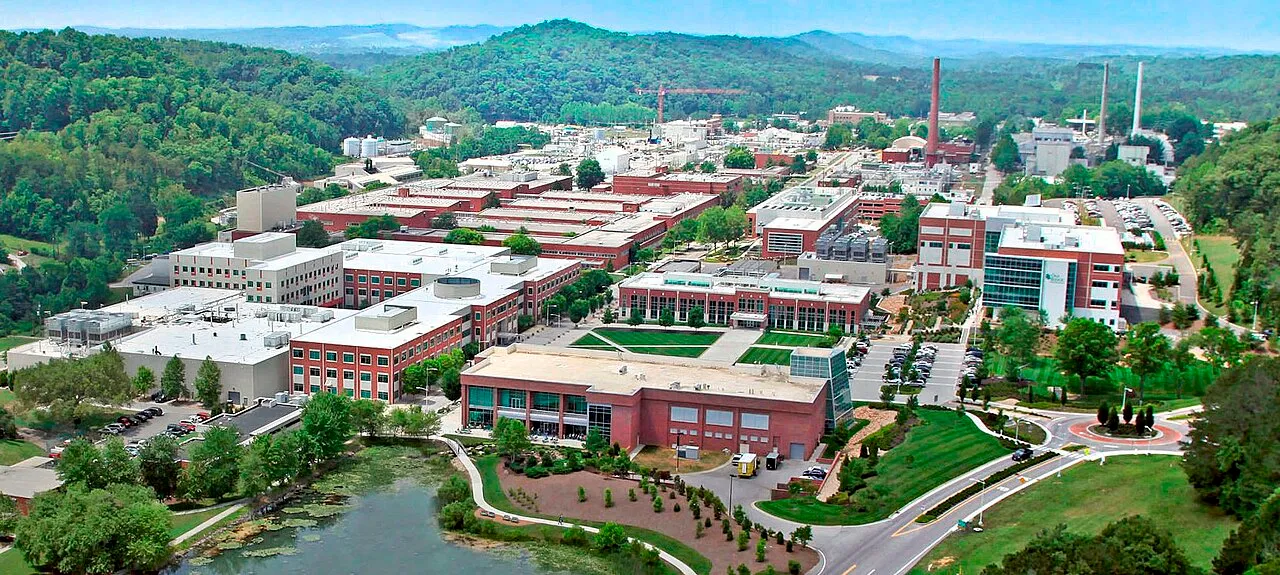
IBM, Oak Ridge National Laboratory’s Quantum Science Center and AMD have run experiments with up to 70 logical qubits and 438 “hard operations,” according to IBM. A logical qubit bundles many physical qubits so errors in individual qubits can be caught and corrected. A hard operation is a demanding calculation step that tests how well that correction holds up. The three organisations announced a new co-design platform in Poughkeepsie, New York, on 5 November 2026, according to IBM. It is meant to speed up research into closing that gap.
The target comes from the Department of Energy’s Genesis Mission, which asks applicants to deploy a quantum computer with at least 100 logical qubits capable of performing hundreds of millions of fault-tolerant operations. IBM’s qubit count is already close to that goal. But by IBM and the Department of Energy’s own figures, its 438 hard operations are more than 400,000 times smaller than the hundreds of millions the Genesis Mission is asking for. The new platform is meant to help close that gap.
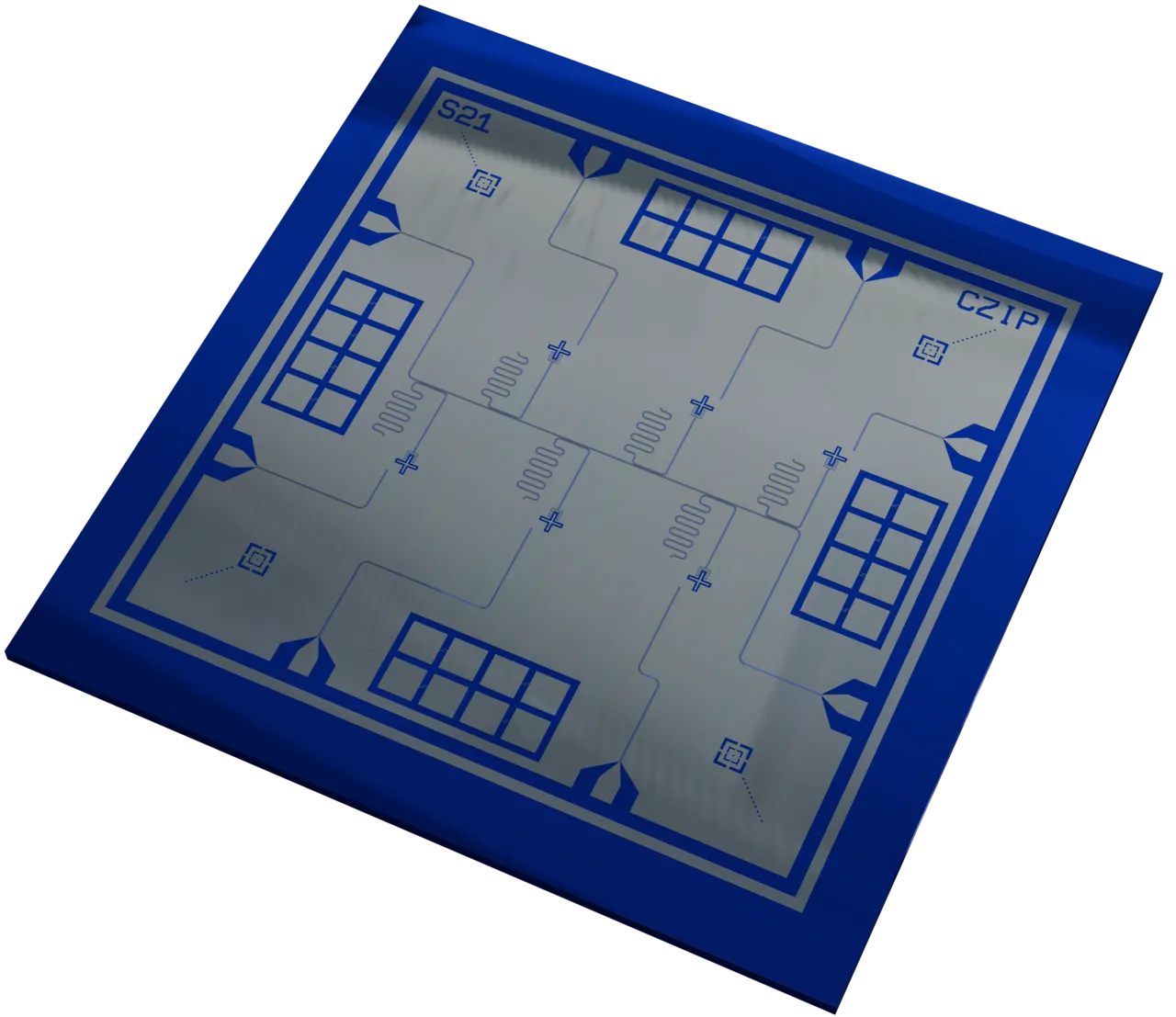
The platform co-locates an IBM Quantum system with Oak Ridge’s Umbra supercomputer. The quantum side is built around IBM’s 120-qubit Nighthawk processor, which uses square-lattice qubit connectivity and real-time pulse-level control. Umbra runs on AMD Instinct MI355X GPUs and fifth-generation AMD EPYC CPUs. The two sides are linked through IBM’s Quantum System API. That lets researchers measure qubits mid-calculation, rather than only at the end.
According to Travis Humble, director of Oak Ridge’s Quantum Science Center, the lab’s high-performance-computing strength, combined with its partners’ expertise, creates a chance to push the boundaries of quantum error correction. Error correction already works on quantum hardware, according to Jay Gambetta, an IBM Fellow and director of IBM Research; the question now is how to speed it up. The next era of computing will bring the quantum paradigm together with decades of classical hardware and software innovation, according to Mark Papermaster, AMD’s chief technology officer.
The 2028 Genesis Mission deadline is the next marker against which IBM, Oak Ridge and AMD will measure the gap.
Sources
MethodologyHow this article was made
- Facts confirmed
- 8 / 8
- Sources
- 2
- Last checked
- Nov 5, 2026
- Image
- Photo
This article was written by an AI system from facts in international trade media, publications by companies and research institutes and public sources, with the source for every fact, and checked under our methodology. The byline is an editorial pseudonym. Found an error? Report it through the contact page.
Facts used
- IBM, the Department of Energy-funded Quantum Science Center at Oak Ridge National Laboratory, and AMD announced on 5 November 2026 a new co-design platform linking quantum computing and high-performance computing, meant to speed up quantum error-correction research. The announcement was made in Poughkeepsie, New York. IBM Newsroom (eigen melding) · Nov 5, 2026
- The platform co-locates an IBM Quantum system built around IBM's 120-qubit Nighthawk processor, which has square-lattice qubit connectivity and real-time pulse-level control, with Oak Ridge's Umbra high-performance-computing system, which runs on AMD Instinct MI355X GPUs and 5th-generation AMD EPYC CPUs. The two sides are linked through IBM's Quantum System API, letting researchers measure qubits mid-calculation. IBM Newsroom (eigen melding) · Nov 5, 2026
- IBM says it has already run experiments with up to 70 logical qubits and 438 "hard operations," a benchmark for how well quantum error correction holds up under a demanding calculation. IBM Newsroom (eigen melding) · Nov 5, 2026
- The Department of Energy's Genesis Mission Q Competition invites applicants to deploy a quantum computer with at least 100 logical qubits capable of performing hundreds of millions of fault-tolerant operations; a separate Genesis Mission priority goal calls for demonstrating systems with logical qubits "numbering in the low hundreds" by 2028. U.S. Department of Energy, Genesis Mission (eigen melding) · Nov 5, 2026
- IBM's demonstrated 438 hard operations is more than 400,000 times smaller than the "hundreds of millions" of fault-tolerant operations the Department of Energy's Genesis Mission Q Competition asks applicants to reach, a far larger gap than the 100-logical-qubit target, which is close to what IBM has already shown (70 logical qubits). U.S. Department of Energy, Genesis Mission (eigen melding) · Nov 5, 2026
- Travis Humble, director of Oak Ridge's Quantum Science Center, said the lab's high-performance-computing strength, combined with the expertise of its Quantum Science Center partners, creates an opportunity to push the boundaries of what is possible in quantum error correction. IBM Newsroom (eigen melding) · Nov 5, 2026
- Jay Gambetta, an IBM Fellow and director of IBM Research, said the question is no longer whether error correction will work on quantum hardware, but how to accelerate and optimize it. IBM Newsroom (eigen melding) · Nov 5, 2026
- AMD chief technology officer Mark Papermaster said the next era of computing will bring the new quantum paradigm together with decades of innovation across the classical hardware and software ecosystem. IBM Newsroom (eigen melding) · Nov 5, 2026