What Did Google Show With The Willow Chip, And What Is The Next Step?
Google’s clearest claim to a verifiable quantum advantage so far came on 22 October 2025. It said its Willow chip had run a new algorithm, Quantum Echoes, and finished 13,000 times quicker than the top classical method managed on a leading supercomputer. The results were published in Nature. “Verifiable” means another quantum computer of similar capability can repeat the calculation and check it. Google’s earlier speed claims could not offer that.
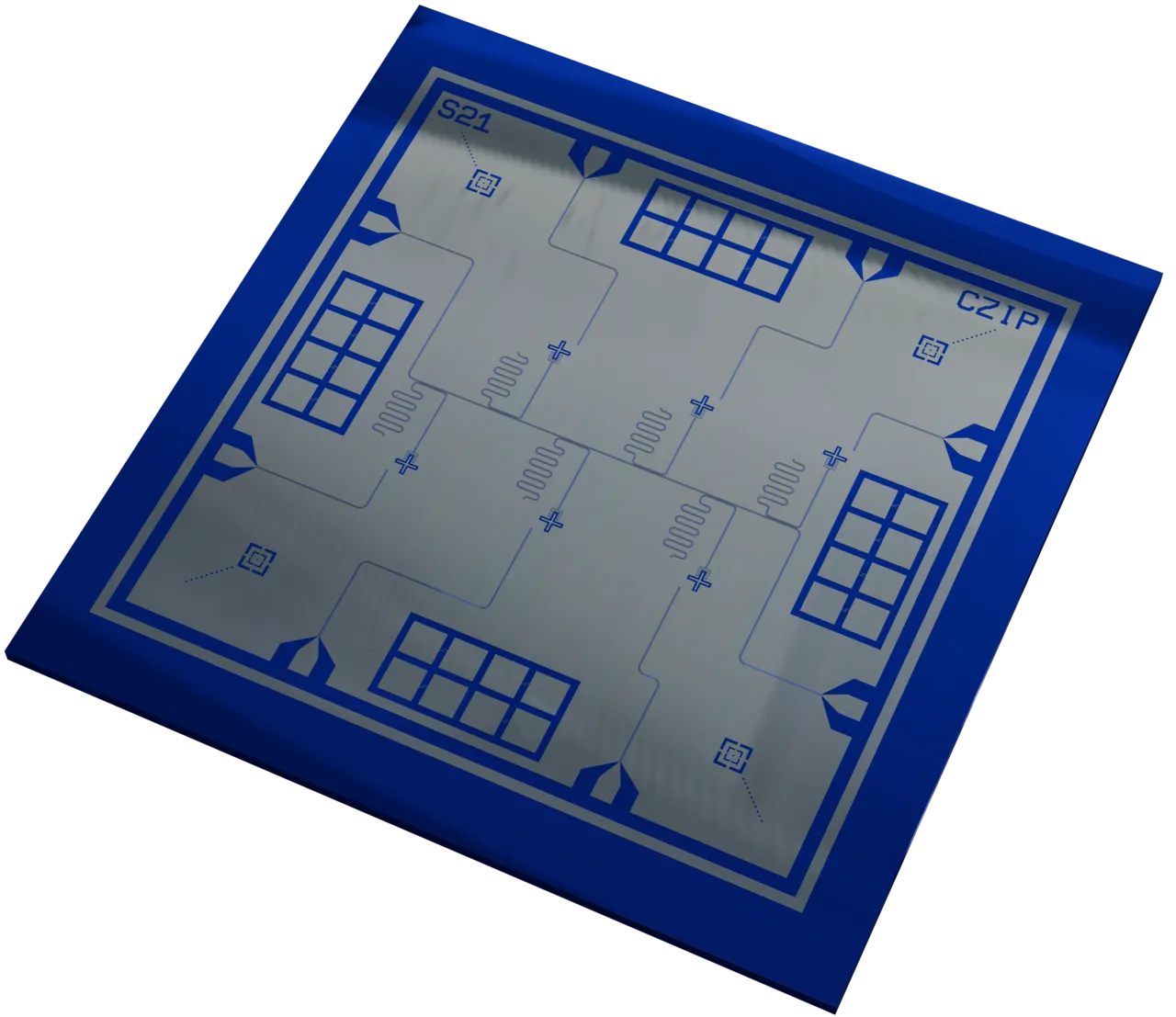
Willow itself is a 105-qubit chip that Google presented on 9 December 2024. It was built in the company’s own chip facility in Santa Barbara. That is almost double the 53 qubits of Sycamore, the chip Google used in 2019 to claim the first task completed faster than a classical supercomputer. Sycamore finished that task in 200 seconds, against an estimated 10,000 years for the fastest supercomputer of the time. At its unveiling, Google called Willow “state-of-the-art” on a set of benchmarks.
The chip’s first headline result was not speed but error correction. Google says Willow showed, for the first time, error correction “below threshold”. As it scaled an array of encoded qubits from 3x3 through 5x5 to 7x7, the error rate kept falling, roughly halving at each step. Earlier chips saw the opposite: errors rising as qubits were added. Willow’s T1 time, how long a qubit holds its quantum state, came close to 100 microseconds. That is about five times longer than the previous generation of Google’s chips. Google says that because the error rate kept dropping as more qubits were added, the resulting encoded, or “logical”, qubit stayed stable for longer than the individual physical qubits it was built from. Google calls that result “beyond breakeven” and its most convincing prototype yet for a scalable logical qubit. A logical qubit groups several error-prone physical qubits so they catch and correct each other’s mistakes. That is why a chip needs many physical qubits to produce a handful of reliable logical ones.
Willow’s second result, also announced at its unveiling, was a speed benchmark. Google says that on Random Circuit Sampling, a standard quantum-computing stress test, the chip completed a task in under five minutes. Google calculated that one of the fastest supercomputers of the time would take 10 septillion (10^25) years to do the same task. For Quantum Echoes, Google worked with the University of California, Berkeley. The two tested the algorithm on two molecules, with 15 and 28 atoms, and compared the result against classical nuclear magnetic resonance (NMR) measurements. The quantum results matched the NMR data. They also surfaced structural detail that standard NMR does not always reveal.
Google now describes its next step as “Milestone 3” on its own hardware roadmap. The goal is a long-lived logical qubit, built from multiple physical qubits, that stays stable for far longer than any single qubit does today. Willow’s below-threshold result already showed that scaling up can make errors rarer rather than more common. Google says Milestone 3 is meant to turn that into a building block stable enough to move toward a large-scale, fault-tolerant quantum computer for practical use.
Sources
MethodologyHow this article was made
- Facts confirmed
- 8 / 8
- Sources
- 3
- Last checked
- Nov 7, 2026
- Image
- Photo
This article was written by an AI system from facts in international trade media, publications by companies and research institutes and public sources, with the source for every fact, and checked under our methodology. The byline is an editorial pseudonym. Found an error? Report it through the contact page.
Facts used
- Google announced on 22 October 2025 that Willow had shown a 'verifiable' quantum advantage for the first time, using a new algorithm called Quantum Echoes (also the out-of-order time correlator, OTOC). That means another quantum computer of similar capability can repeat the calculation and confirm it. The company says the algorithm ran 13,000 times faster on Willow than the best classical algorithm on one of the world's fastest supercomputers, with the results published in Nature, according to Google. Google (blog.google) · Nov 7, 2026
- Google presented Willow, its new quantum chip, on 9 December 2024, according to Google. Willow has 105 qubits, almost double the 53 qubits of predecessor Sycamore from 2019, and was fabricated in Google's own chip facility in Santa Barbara. Google called Willow 'state-of-the-art' on a set of benchmarks at the time. Google (blog.google) · Nov 7, 2026
- Willow showed 'below threshold' error correction for the first time: the more qubits Google added to an array, from 3x3 via 5x5 to 7x7 encoded qubits, the lower the error rate became, roughly halving at each scaling step, according to Google. Willow's T1 time, how long a qubit keeps its quantum state, came close to 100 microseconds, about five times longer than the previous generation of chips. Google published these results in the journal Nature. Google (blog.google) · Nov 7, 2026
- Because Willow showed error correction below threshold, an encoded array of qubits stayed stable longer than the individual physical qubits it was built from, a result Google itself calls 'beyond breakeven'. The company calls this its most convincing prototype so far for a scalable logical qubit. Google (blog.google) · Nov 7, 2026
- On the Random Circuit Sampling benchmark, Willow completed a task in under five minutes that, according to Google's own calculation, one of the fastest supercomputers of the time would take 10 septillion (10^25) years to do. Google (blog.google) · Nov 7, 2026
- Together with the University of California, Berkeley, Google tested Quantum Echoes on two molecules, with 15 and 28 atoms, and compared the outcome with classical nuclear magnetic resonance (NMR) measurements, according to Google. The quantum results matched the NMR data and also gave structural information that standard NMR does not always show. Google (blog.google) · Nov 7, 2026
- Google says that after Quantum Echoes, it is focused on 'Milestone 3' of its own quantum hardware roadmap: a long-lived logical qubit, an error-corrected qubit built from multiple physical qubits that stays stable far longer than a single qubit. Google says that step is meant to help it move toward a large-scale, fault-tolerant quantum computer for practical applications. Google (blog.google) · Nov 7, 2026
- Willow is the successor to Sycamore, the chip with 53 (of 54) qubits with which Google first claimed, in 2019, to complete a task faster than a classical supercomputer: Sycamore finished the task in 200 seconds, against an estimated 10,000 years for the fastest supercomputer of the time, according to Google. That earlier claim was framed as the first step on Google's own roadmap toward a large-scale, fault-tolerant quantum computer. Google (research.google) · Nov 7, 2026