What Do Quantum Companies Actually Sell, to Whom, and What Does It Earn Them?
Quantum companies sell three different things today. Those are full computers, access to computers they keep running themselves, and the chips and electronics that go inside someone else’s computer. According to IonQ, the largest of the pure-play quantum companies, it reported record third-quarter 2026 revenue of $173.8 million, up 336% year over year.
Full systems to enterprises, governments and labs
The best-known layer is the full quantum computer. A customer buys it and installs it or runs it in a dedicated location. According to IQM Quantum Computers, it sells full-stack superconducting quantum computers to enterprises, universities, supercomputing centres and national laboratories. IQM says it has sold 31 systems and delivered 17 of them so far. According to Rigetti, it sells on-premises superconducting systems from 9 to 108 qubits, including its Novera and Cepheus product lines. Its buyers are national laboratories, universities and research organisations. According to Pasqal, it sells neutral-atom quantum computers to enterprise, sovereign and public-sector customers, naming Saudi Aramco, Crédit Agricole and LG Electronics among its buyers.
These sales come with long tails attached. According to IonQ, its signed contracts still to be delivered, known as remaining performance obligations, more than doubled to $1.2 billion. According to IQM, new order intake reached €42.2 million in the third quarter of 2026. A €33 million contract with Finland’s CSC, for its Halocene error-correction platform, drove most of that. IQM’s order backlog now stands at €102.5 million. According to Pasqal, its booked and awarded business stood at €69.8 million, even though it sold no new processors in the quarter.
Cloud access, for customers who never buy the hardware
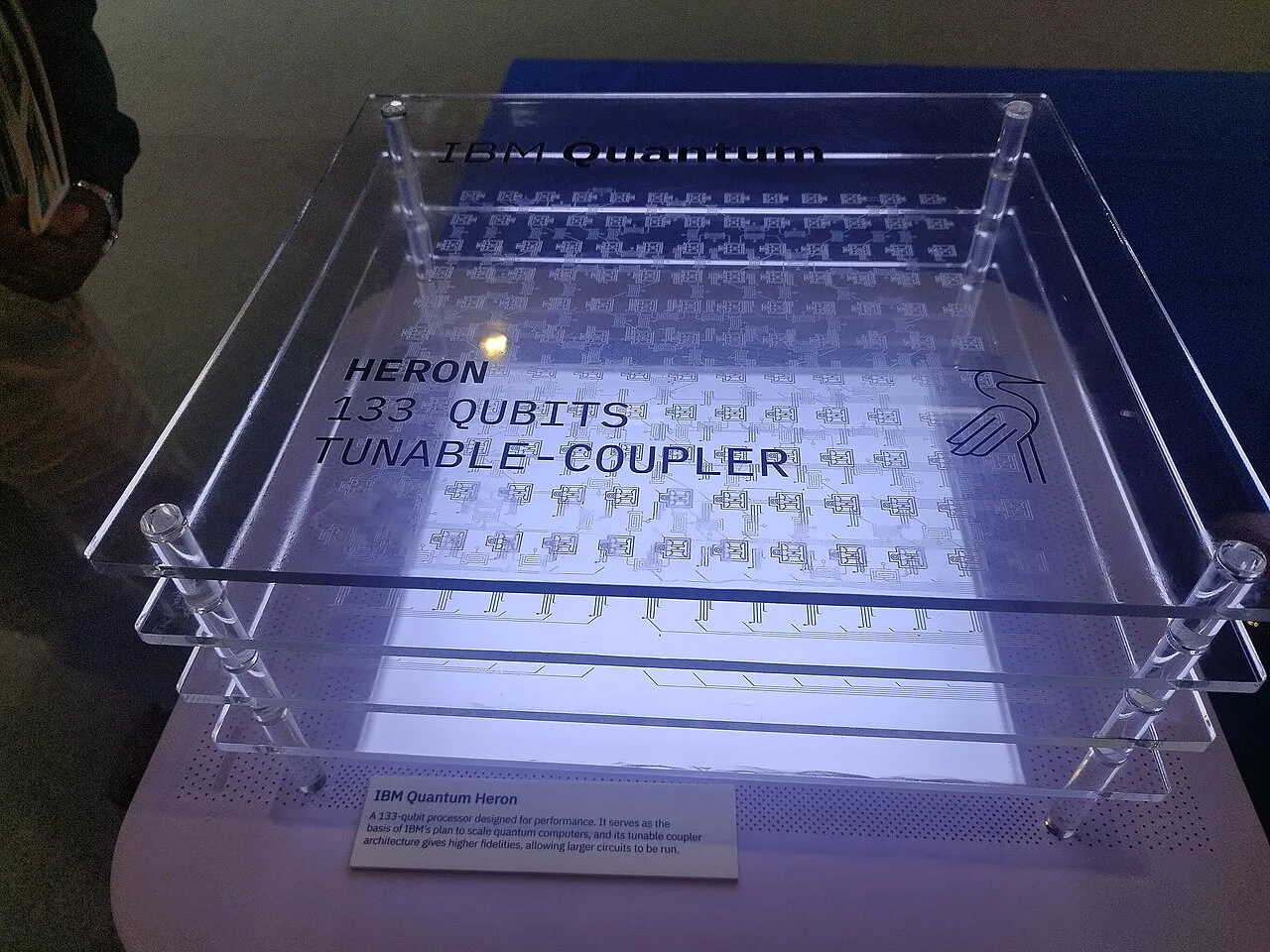
Many customers never buy a machine at all; they rent time on one. According to IBM, it sells access to its quantum computers under five plans. A free Open Plan gives up to 10 minutes of runtime a month, and a Pay-As-You-Go plan bills by the second. A prepaid Flex Plan starts at 400 minutes a year, and an annual Premium Plan starts at 5,200 minutes a year. An On-Prem Plan puts a dedicated, IBM-run system at the customer’s own site, priced on request. According to IBM, clients signing Flex, Premium or On-Prem contracts worth $250,000 or more join the IBM Quantum Network, its membership programme for industry and research users.
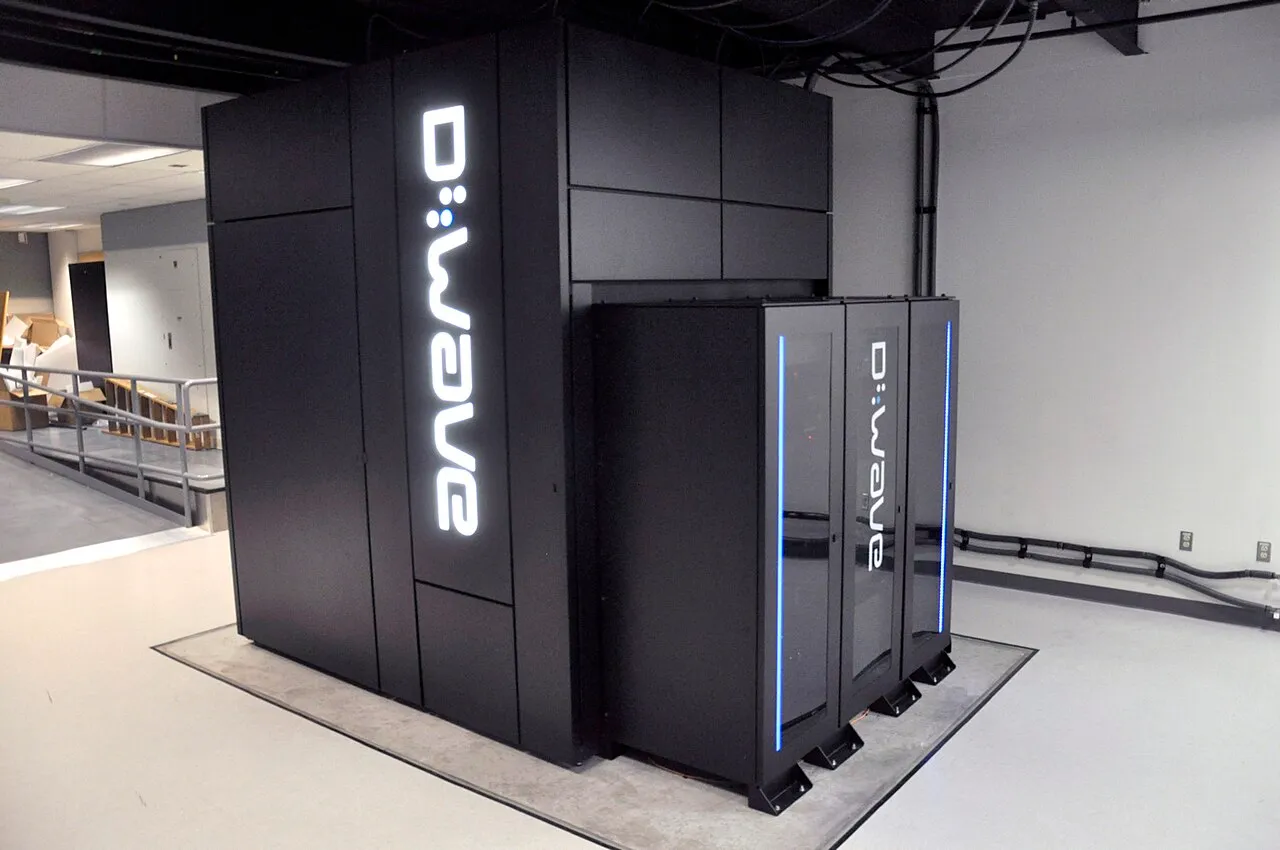
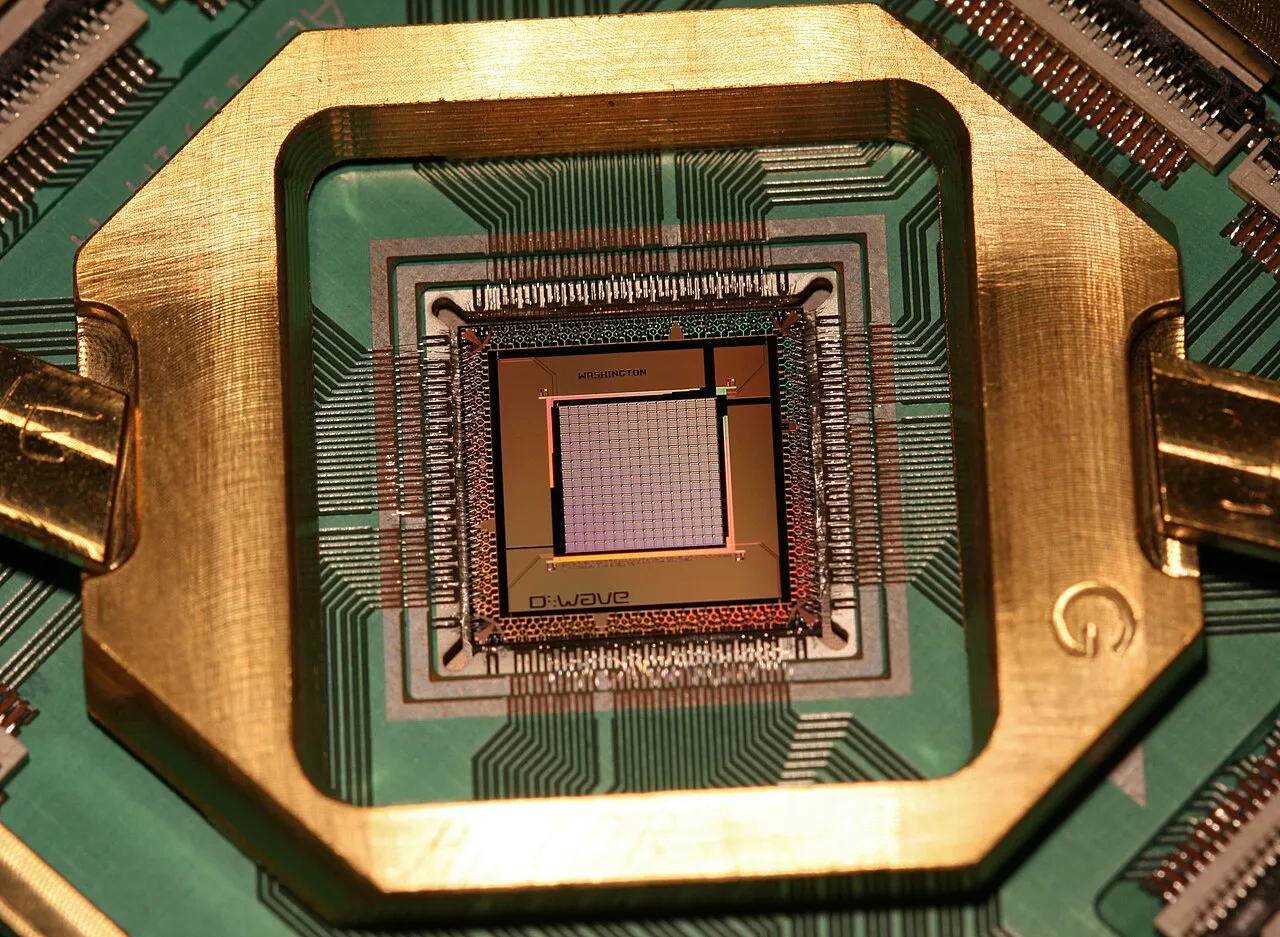
According to D-Wave, it sells cloud access to its annealing and gate-model systems through its Leap service. It counts more than 100 commercial, government and research customers for that service and its on-premises installations. The split between hardware sales and services shows up in the numbers. According to D-Wave, 67.7% of its first-half 2026 revenue came from commercial customers, up from 16% a year earlier. Total revenue still fell to $5.9 million from $18.1 million. Bookings, the value of new contracts signed rather than revenue already recognised, rose more than elevenfold to $35.5 million in the same period. According to Pasqal, its services revenue, consulting, remote access, upgrades and maintenance for its machines, rose 53% to €3.1 million in the third quarter of 2026.
Selling to other quantum companies, not to end users
A third layer sells neither systems nor access to end customers. It sells the parts a quantum-hardware builder needs to assemble its own machine. According to QuantWare, it sells ready-made quantum processors, chip packaging and foundry services to other companies and institutes building quantum computers, rather than building a computer itself. It says it has shipped chips to more than 50 customers in 20 countries. QuantWare calls itself the largest commercial QPU supplier by volume. It raised a $178 million Series B round in May 2026 to expand that role.
According to Qblox, it sells control electronics and software that generate and read the microwave pulses steering qubits. That is not a quantum computer itself, but a part sold to companies and research labs building one. Qblox names Oxford Quantum Circuits, Rigetti, IQM, QuantWare and Qilimanjaro among its customers. It says its control stacks run inside deployed systems such as the MareNostrum Ona machine at the Barcelona Supercomputing Center and the Dutch Quantum Inspire system.
According to IonQ, $83.5 million of its third-quarter 2026 revenue, nearly half, came from foundry services at SkyWater Technology, the chip manufacturer it has acquired. The remaining $90.3 million came from its own quantum computing platform. That segment covers systems, cloud access, consulting and security work sold to enterprises, universities, US government agencies and defence contractors.
What the numbers add up to
| Company | Revenue | What it sells |
|---|---|---|
| IonQ | $173.8 million in Q3 2026. | Systems, cloud access, consulting, security work; plus foundry services via SkyWater. |
| IQM | €8.9 million in Q3 2026. | Full-stack superconducting systems to enterprises, universities, supercomputing centres, national labs. |
| Rigetti | $9.5 million in H1 2026. | On-premises systems and cloud access via Quantum Cloud Services. |
| D-Wave | $5.9 million in H1 2026. | On-premises systems and cloud access via Leap. |
| Pasqal | €3.3 million in Q3 2026. | Neutral-atom systems, consulting, remote access, upgrades and maintenance. |
None of the pure-play hardware makers yet earns what the large cloud providers or chipmakers do. Their revenue sits in the single-digit to low-hundred-million range per quarter. Their backlogs and bookings often run several times that size.
Sources
- [1]IonQ (SEC 8-K) IonQ
- [2]IQM Quantum Computers (SEC 6-K) SEC (EDGAR)
- [3]Rigetti Computing (SEC 8-K) Rigetti Computing
- [4]D-Wave Quantum (SEC 8-K) D-Wave Quantum
- [5]Pasqal Holding (SEC 6-K) SEC (EDGAR)
- [6]QuantWare raises $178 million Series B QuantWare
- [7]IBM Quantum pricing IBM Quantum en IBM Research
- [8]Qblox industry page Qblox
MethodologyHow this article was made
- Facts confirmed
- 8 / 8
- Sources
- 8
- Last checked
- Nov 9, 2026
- Image
- Photo
This article was written by an AI system from facts in international trade media, publications by companies and research institutes and public sources, with the source for every fact, and checked under our methodology. The byline is an editorial pseudonym. Found an error? Report it through the contact page.
Facts used
- IonQ reported record third-quarter 2026 revenue of $173.8 million, up 336% year over year, according to the company. Of that, its quantum computing Platform segment brought in $90.3 million from systems, cloud access, consulting and security work sold to enterprises, universities, US government agencies and defence contractors; the remaining $83.5 million came from foundry services at SkyWater Technology, which IonQ has acquired. Remaining performance obligations, signed contracts still to be delivered, more than doubled to $1.2 billion. IonQ (SEC 8-K) · Nov 9, 2026
- IQM Quantum Computers reported third-quarter 2026 revenue of €8.9 million, up 51% year over year, according to the company. IQM sells full-stack superconducting quantum computers to enterprises, universities, supercomputing centres and national laboratories, and says it has sold 31 systems and delivered 17 of them so far. New order intake reached €42.2 million in the quarter, driven largely by a €33 million contract with Finland's CSC for its Halocene error-correction platform, lifting IQM's order backlog to €102.5 million. IQM Quantum Computers (SEC 6-K) · Nov 9, 2026
- Rigetti Computing reported total revenue of $5.1 million for the second quarter of 2026 and $9.5 million for the first half, according to the company. Rigetti sells on-premises superconducting quantum systems from 9 to 108 qubits, including its Novera and Cepheus product lines, to national laboratories, universities and research organisations, and separately sells cloud access to quantum hardware through its Quantum Cloud Services platform to government, academic and commercial customers. Rigetti Computing (SEC 8-K) · Nov 9, 2026
- D-Wave Quantum reported revenue of $5.9 million for the first half of 2026, down from $18.1 million a year earlier, while bookings rose more than elevenfold to $35.5 million, according to the company. D-Wave sells annealing and gate-model quantum systems for on-premises installation and cloud access through its Leap quantum cloud service, to more than 100 commercial, government and research customers; 67.7% of its first-half 2026 revenue came from commercial customers, up from 16% a year earlier. D-Wave Quantum (SEC 8-K) · Nov 9, 2026
- Pasqal reported third-quarter 2026 revenue of €3.3 million, down from €5.7 million a year earlier because it sold no new quantum processors in the quarter, against €3.2 million of such sales a year before, according to the company. Pasqal sells neutral-atom quantum computers to enterprise, sovereign and public-sector customers, naming Saudi Aramco, Crédit Agricole and LG Electronics among them, plus consulting, remote access, upgrade and maintenance services for its machines; that services revenue rose 53% to €3.1 million. Booked and awarded business stood at €69.8 million. Pasqal Holding (SEC 6-K) · Nov 9, 2026
- QuantWare sells ready-made quantum processors, chip packaging and foundry services to other companies and institutes that are building quantum computers, rather than building a computer itself, according to the company. It says it has shipped chips to more than 50 customers in 20 countries, including quantum computing companies, national technology institutes and large technology conglomerates, calling itself the largest commercial QPU supplier by volume. In May 2026 it raised a $178 million Series B round to expand that supply-chain role. QuantWare · Nov 9, 2026
- IBM sells access to its quantum computers under five plans, according to the company. A free Open Plan gives up to 10 minutes of runtime a month; a Pay-As-You-Go plan bills by the second; a prepaid Flex Plan starts at 400 minutes a year; an annual Premium Plan starts at 5,200 minutes a year; and an On-Prem Plan gives a dedicated, IBM-run system at the customer's own site, priced on request. Clients signing Flex, Premium or On-Prem contracts worth $250,000 or more join the IBM Quantum Network, its membership programme for industry and research users. IBM Quantum · Nov 9, 2026
- Qblox sells control electronics and software that generate and read the microwave pulses steering qubits, not a quantum computer itself, to companies and research labs building one, according to the company. Its named customers include Oxford Quantum Circuits, Rigetti, IQM, QuantWare and Qilimanjaro, and it says its control stacks run inside deployed systems such as the MareNostrum Ona machine at the Barcelona Supercomputing Center and the Dutch Quantum Inspire system. Qblox · Nov 9, 2026