How Can You Use a Quantum Computer Through the Cloud, and What Does It Cost?
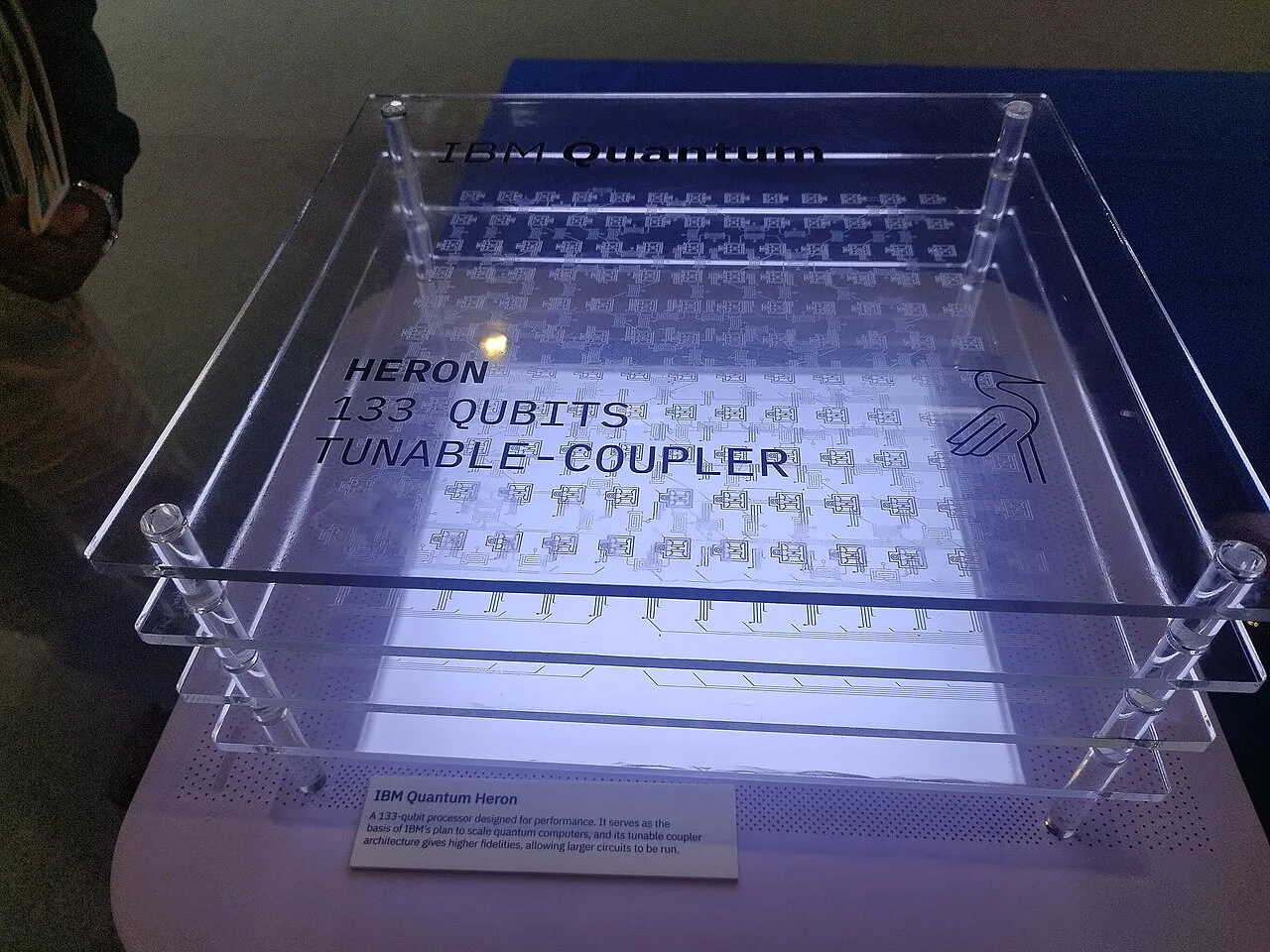
Nobody needs to buy, build or host a quantum computer to run a program on one. IBM, Microsoft’s Azure Quantum, Amazon Braket and D-Wave’s Leap all let a developer write code on an ordinary computer and submit it over the internet, according to the providers’ own documentation. Each platform then queues it for time on a real quantum processor housed at the provider’s own site and reads back the result, as reported in November 2026. A classical simulator of the hardware is usually available too, for testing before a real run.
IBM’s free monthly allowance, then by the minute
IBM Quantum Platform gives anyone a free Open plan with up to 10 minutes of runtime a month, IBM says. Beyond that, Pay-As-You-Go billing starts at $96 per minute, charged per second with a one-second minimum. A Flex plan, paid upfront for at least 400 minutes a year, brings that down to $72 per minute. An annual Premium plan with dedicated support starts at $48 per minute for at least 5,200 minutes a year.
Azure Quantum sells the door, but partners set the price
Microsoft’s Azure Quantum gives cloud access to hardware from several partner companies rather than a Microsoft-built quantum computer, and each partner sets and controls its own prices within the service, Microsoft says. A new Azure account separately gets a general $200 credit to explore Azure for 30 days, according to Microsoft. Microsoft’s own account FAQ says that credit cannot be applied to Azure Marketplace offers, the channel Azure Quantum’s partner hardware is billed through.
The partners price very differently. IonQ bills in its own unit, the Azure Quantum Token, which combines a per-program minimum with a per-gate-shot rate, Microsoft’s Azure Quantum documentation says. Pay-As-You-Go access to its 25-qubit Aria 1 starts at a $12.42 minimum per run with error mitigation off, or $97.50 with it on. A monthly Aria-Forte subscription instead costs $25,000, plus Azure infrastructure costs. Pasqal charges EUR 3,000 per QPU-hour, or EUR 15 per emulator-hour, on its 100-qubit Fresnel processor, plus infrastructure costs, according to Microsoft’s Azure Quantum documentation. Rigetti charges $0.02 per 10-millisecond increment of job execution time on its Cepheus-1-108Q chip, with no separate per-shot fee. Quantinuum offers either Pay-As-You-Go on its own credit unit or a monthly subscription starting at $125,000.
Amazon Braket charges a flat fee per task, plus a fee per shot
Amazon’s AWS offers its own route to several providers’ hardware through a service called Amazon Braket, which Amazon says connects users to processors from five hardware providers, AQT, IonQ, IQM, QuEra and Rigetti. A real quantum computer costs a flat $0.30 per task, plus a per-shot fee that varies by processor, Amazon says. That fee ranges from $0.000425 a shot on Rigetti’s Cepheus chip up to $0.08 a shot on IonQ’s Forte. Amazon’s AWS Free Tier covers only simulator time on Braket, one hour a month for an account’s first twelve months.
D-Wave offers a trial, not a published rate
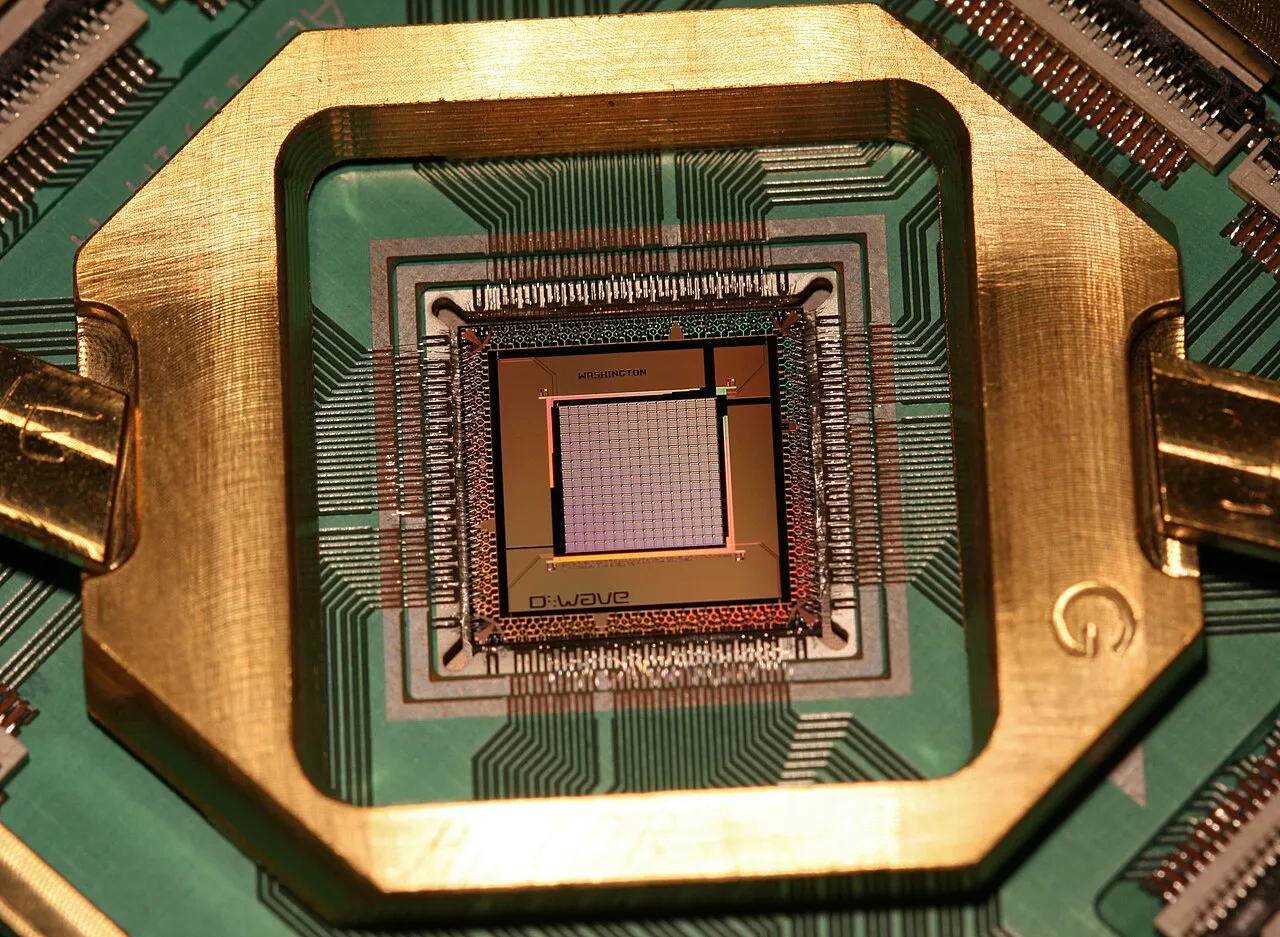
According to D-Wave, it gives cloud access to its quantum annealers, a type of hardware built for optimisation problems rather than the general-purpose processors IBM, Azure and Braket offer, through a service called Leap. Leap’s own pricing page lists no self-serve free tier or published hourly rate, only a route to apply. D-Wave’s separate Leap Quantum LaunchPad program offers a 3-month trial, cost unstated, with real-time access to its quantum computers and project support. It is an exclusive trial, and D-Wave says not every applicant is accepted.
Where to start
| Provider | Free access | Paid access from |
|---|---|---|
| IBM Quantum Platform | 10 minutes/month, Open plan. | $96/minute, Pay-As-You-Go. |
| Azure Quantum | General $200 Azure credit, not valid for partner hardware. | Varies by hardware partner. |
| Amazon Braket | 1 hour/month simulator, first 12 months. | $0.30/task plus $0.000425–$0.08/shot. |
| D-Wave Leap | 3-month LaunchPad trial, by application only. | No published rate; apply for access. |
For a first test run, IBM’s Open plan needs no purchase at all. Moving past it, on any of the four platforms, is a matter of minutes, tasks or shots rather than buying a machine.
Sources
MethodologyHow this article was made
- Facts confirmed
- 7 / 7
- Sources
- 5
- Last checked
- Nov 14, 2026
- Image
- Photo
This article was written by an AI system from facts in international trade media, publications by companies and research institutes and public sources, with the source for every fact, and checked under our methodology. The byline is an editorial pseudonym. Found an error? Report it through the contact page.
Facts used
- A user never needs to own or host a quantum computer to run one. IBM, Microsoft's Azure Quantum, Amazon Braket and D-Wave's Leap all let a developer write and submit a program from an ordinary computer over the internet, queue it for time on a real quantum processor (or a classical simulator of one) housed at the provider's own site, and read back the result, each company's own documentation shows. IBM · Nov 14, 2026
- IBM lets anyone reach its quantum computers over the internet through IBM Quantum Platform, IBM says. Its Open plan gives up to 10 minutes of free runtime per month; paid access starts with Pay-As-You-Go at $96 per minute, billed per second with a 1-second minimum, then a Flex plan from $72 per minute (prepaid, 400+ minutes a year) and an annual Premium plan from $48 per minute (5,200+ minutes a year) with dedicated support. IBM · Nov 14, 2026
- Microsoft's Azure Quantum gives cloud access to hardware from several partner companies rather than a Microsoft-built quantum computer; Microsoft says each partner sets and controls its own prices within the service. A new Azure account separately gets a general $200 credit to explore Azure for 30 days, according to Microsoft, though its own account FAQ says that credit cannot be applied to Azure Marketplace offers, the channel Azure Quantum's partner hardware is billed through. Microsoft · Nov 14, 2026
- On Azure Quantum, IonQ's hardware is billed in its own unit, the Azure Quantum Token, which combines a per-program minimum charge with a per-gate-shot rate, Microsoft's Azure Quantum documentation says. Pay-As-You-Go access to the 25-qubit IonQ Aria 1 starts at a $12.42 minimum per program run with error mitigation off, or $97.50 with it on, plus per-gate-shot fees; a monthly Aria-Forte subscription instead costs $25,000 plus Azure infrastructure costs. Microsoft Learn · Nov 14, 2026
- Azure Quantum's other hardware partners price access differently, Microsoft's documentation says. Pasqal charges EUR 3,000 per QPU-hour (or EUR 15 per emulator-hour) plus Azure infrastructure costs for its 100-qubit Fresnel processor; Rigetti charges $0.02 per 10-millisecond increment of job execution time on its Cepheus-1-108Q chip with no separate per-shot fee; Quantinuum offers Pay-As-You-Go on its own credit unit or monthly subscriptions from $125,000. Microsoft Learn · Nov 14, 2026
- Amazon's cloud platform AWS offers quantum hardware access through a service called Amazon Braket, which Amazon says connects users to processors from five hardware providers, AQT, IonQ, IQM, QuEra and Rigetti. On-demand use of a real quantum computer costs a flat $0.30 per task plus a per-shot fee that varies by processor, from $0.000425 per shot on Rigetti's Cepheus chip up to $0.08 per shot on IonQ's Forte; Amazon's AWS Free Tier covers only simulator time, one hour a month for an account's first twelve months. Amazon Web Services · Nov 14, 2026
- According to D-Wave, it gives cloud access to its quantum annealers through a service called Leap; its pricing page lists no self-serve free tier or published hourly rate, only a route to apply. D-Wave's own Leap Quantum LaunchPad program offers a 3-month trial, cost unstated, with real-time access to its quantum computers and project support, but it is an exclusive trial and D-Wave says not all applicants are accepted. D-Wave · Nov 14, 2026