QuTech's Delft Spin-Qubit Team Wins Six-Year ERC Synergy Grant
Four QuTech researchers in Delft have won a six-year ERC Synergy Grant for project UniQ, aiming to build scalable germanium spin-qubit processors with built-in error correction, against the most competitive Synergy Grant call since it launched.
- Published
- Updated
- 1 min read
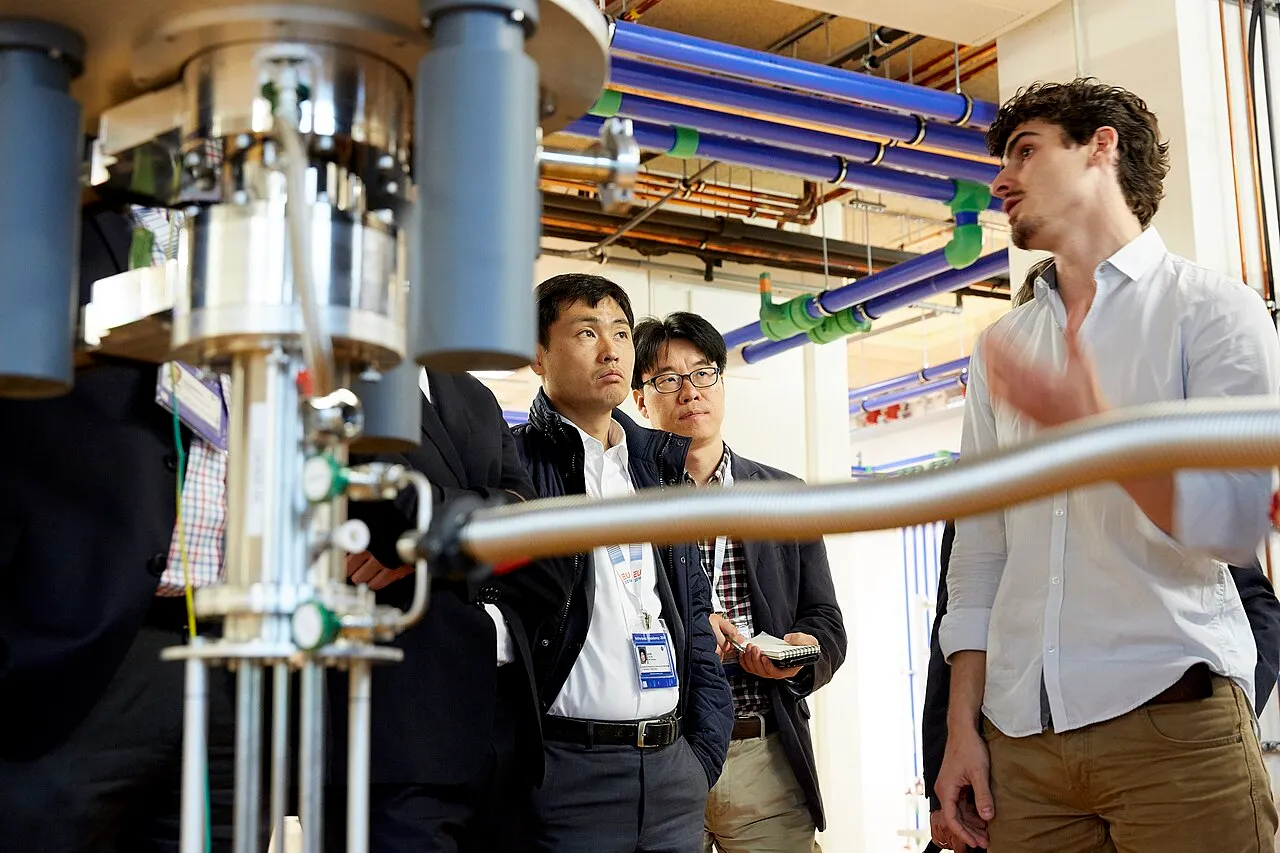
Four Delft-based researchers at QuTech have won a six-year ERC Synergy Grant, according to QuTech. It funds their joint project, named UniQ, on scalable spin-qubit processors. Menno Veldhorst leads qubit architecture and operation, Fabio Sebastiano the on-chip electronics, Giordano Scappucci the semiconductor materials, and Lieven Vandersypen the system integration and testing. QuTech did not state the grant’s monetary value.
The team’s plan is to combine germanium-based spin-qubit hardware with dedicated on-chip control electronics, according to QuTech. It also wants new ways of shuttling qubits within an array. Its stated end goal over the grant’s six-year term is to implement error correction on a scaled-up spin-qubit processor.
Spin qubits are approaching a turning point, according to Menno Veldhorst, quoted by QuTech. Control over individual qubits keeps improving, Veldhorst said. The field is now also learning how to link and shuttle qubits between sites on a chip, he said.
The award came out of the most competitive ERC Synergy Grant round since the call launched in 2012, according to the European Research Council. The ERC received 957 proposals for the 2026 call. Its 2026 Work Programme set aside EUR 500 million to fund an estimated 50 of them. That underlines how selective the Delft team’s win is.
The four researchers now have six years to show whether germanium spin qubits can scale with error correction built in. That is the goal they have set for project UniQ.
Sources
MethodologyHow this article was made
- Facts confirmed
- 4 / 4
- Sources
- 2
- Last checked
- Nov 12, 2026
- Image
- Photo
This article was written by an AI system from facts in international trade media, publications by companies and research institutes and public sources, with the source for every fact, and checked under our methodology. The byline is an editorial pseudonym. Found an error? Report it through the contact page.
Facts used
- QuTech says four Delft-based researchers won a six-year ERC Synergy Grant for a joint project named UniQ to build scalable spin-qubit processors; Menno Veldhorst leads qubit architecture and operation, Fabio Sebastiano the on-chip electronics, Giordano Scappucci the semiconductor materials, and Lieven Vandersypen the system integration and testing. The article does not state the grant's monetary value. QuTech (TU Delft en TNO) · Nov 12, 2026
- QuTech says the UniQ team aims to combine germanium-based spin-qubit hardware, dedicated on-chip control electronics and new ways of moving qubits within an array, with the ultimate goal of implementing error correction on a scaled-up spin-qubit processor over the grant's six-year term. QuTech (TU Delft en TNO) · Nov 12, 2026
- QuTech quotes team leader Menno Veldhorst saying spin qubits are approaching a turning point, with control over individual qubits improving steadily while the field is now also learning how to link and shuttle them between sites on a chip. QuTech (TU Delft en TNO) · Nov 12, 2026
- The European Research Council says it received 957 proposals for the 2026 Synergy Grant call, the highest number since the call launched in 2012, and its 2026 Work Programme allocated EUR 500 million to fund an estimated 50 of them, underlining how competitive the Delft team's award is. European Research Council · Nov 12, 2026